Journal

Glamping vs. Camping: Choosing Your Travel Style
If you're considering an outdoor excursion, you may be weighing glamping vs. camping. Here's what you need to know about the differences between the two.
Learn more
4 Common Camping Preparation Mistakes to Avoid Making as a Camping Novice
Camping is one of the most fun things you can do, but there are common camping preparation mistakes that can ruin the experience — before it even starts.
Learn more
4 Outdoor Cooking Tips for Camping
Cooking while camping can be a fun, creative challenge. However, for some who are used to all the amenities of an indoor kitchen, camping cooking can feel overwhelming and like it's a chore rather than an activity to enjoy. But if you learn some important outdoor cooking tips, you can ensure the meals you make when you camp not only taste delicious but are also fun to assemble and serve. Here are our favorite outdoor cooking tips to keep in your back pocket on your next camping trip. 1. Stock Up on Aluminum Foil Most likely, you're going to be cooking over a campfire on your camping trip. (Alternatively, you may be cooking on a grill or camp stove.) In any event, you'll likely be cooking with a very hot surface or flame, and there will be times when you need to rest something hot on a surface or when you'll need a pot or pan that you just don't have. Instead, use aluminum foil. Aluminum foil holds up nicely over a fire and is sturdy enough that it can be molded into a pouch or dish that holds food while it's cooking. One favorite outdoor camping tip is to cook in pouches. Throw every ingredient you want to be cooked in a thick foil pocket, stick it on the grill, and let it cook. Remove it with tongs, and when you're done, you'll have a finished meal with a built-in dish, ready to be eaten. 2. Bring a Cooler Out in the wilderness, you're not going to have a refrigerator, so bring the ingredients that need to be kept cold in a cooler. Keep the cooler cold with ice packs, not ice that can melt. Try to use your refrigerated ingredients in the first day or two since a cooler and ice packs won't stay cold for the entirety of a long trip, and you want to use your groceries before they go bad. Having a very insulated cooler is one of our most important outdoor cooking tips because it allows you to use more ingredients in your meals and ensure they stay fresh, delicious, and safe for everyone to eat. Investing in a more-expensive cooler that is proven to keep foods cold for many days might be worthwhile if you want to keep beverages and ingredients cold throughout your adventure. 3. Study Your Cooking Tips in Advance and Plan Your Meals This is a meta tip, but don't wait until you're about to take off for your camping trip to study cooking tips. Learn how to cook outdoors in advance, then plan your meals diligently a few days before you go. Shop for all the food and cooking items you need in advance so you're totally stocked and prepared when out in the wilderness. Packing up your car to leave for a camping trip can feel chaotic and stressful to begin with. If you leave shopping for your trip and stocking up until the very last minute, you'll likely feel overwhelmed when you get to the campsite, and you may forget things you desperately need to cook comfortably. 4. Pre-Chop Ingredients One great outdoor cooking tip that feels more like a camping hack is to chop all your vegetables before you leave and bring them in containers or bags. Then, once you get there, you don't have to worry about using a cutting board, finding a sturdy surface, handling a sharp knife, or where to discard unused produce. Pre-chopped ingredients save you tons of time and mess and can make the entire process of outdoor cooking faster, cleaner, and more fun. Shop for Your Camping Trip Gear at Pike Trail When you've internalized these outdoor cooking tips and feel prepared to cook on your camping trip, ensure you've got all the necessary supplies. If you're missing any camping supplies for your trip, head to Pike Trail to stock up. Pike Trail is a store for outdoor gear that sells only high-quality, tested, and trusted gear to ensure your trip is more enjoyable. From pocket blankets to hiking gaiters to sleeping bag liners and beyond, Pike Trail surely has something that will make your trip easier and more comfortable. Browse our store, order what you need, pack your car, then get going! Mother Nature awaits you.
Learn more
Snakes on the Trail - Determining if a snake is venomous in the field
Snakes are incredible reptiles with beautiful patterns and their ability to live in some of the most rugged and diverse terrains on the planet. They are still wild animals for their awesomeness, and several species are venomous. While the rule of thumb for snake experts is: that a snake is dangerous only if you plan on bothering it. Identifying venomous snakes on the trail can give you peace of mind while hiking and, in case of a bite, a better understanding of what to do next. What is a venomous snake? Calling a snake "poisonous" isn't correct. The venom injected by a bite is what can injure a human, so venomous is the correct terminology. Types of Venomous Snakes There are four venomous snakes in the United States: rattlesnakes, copperheads, water moccasins, and coral snakes. Rattlesnakes are found in warmer climates from the country's east to the west coast. Categorized by their rattle tail, these snakes can strike a distance of 1/3rd their body length. Rattlesnakes don't always rattle, but the rattle will always be present. The diamondback rattlesnake will have a diamond pattern down its spine. Figure 1 One of our customers sharing the trail with a rattlesnake Copperheads are smaller snakes compared to rattlesnakes growing no more than three feet. Ranging from reddish-brown to tan, copperheads exhibit an hourglass pattern on their bodies. Copperheads are found in the eastern US to Texas and are often located in leafy areas near water. Most snakes will freeze when approached, and most bites from copperheads come from accidentally stepping on them. Water moccasins or cottonmouths inhabit wet and swampy areas of the southeast. Like the copperhead, they are not aggressive and can often be confused for non-venomous snakes due to their dark coloration. Water moccasins will open their mouth when threatened, showing the white inside; this is where the name cottonmouth comes from. Water moccasins swim and will occasionally snatch fish from unlucky anglers. Coral snakes stand out from the snakes on the list. Found in the eastern US, The bright colors of coral snakes make them easy to spot and also the easiest to distinguish from other non-venomous species like the king snake. Unlike the coloration of the rest of the snakes, coral snakes are always in the pattern of red and yellow bands touching each other. The pattern of the eastern king snake is similar but the red and black rings touch, making this limerick popular for hikers in the south "Red on yellow kills a fellow, red on black a friend of Jack." Figure 2 Notice the red to yellow on this coral snake. How to determine if a snake is venomous Venomous snakes will have a more angular-shaped head because of the venom-producing glands in the jaws. Pit vipers like the rattlesnake, copperhead, and water moccasin all have heat-sensing pits near the front of their snout, this may be hard to see, especially on a darker-colored snake, but it is characteristic of them still. The eyes of snakes are also indicative of how dangerous they are. Venomous snakes have narrow vertical pupils, whereas non-venomous snakes will have rounded pupils. Figure 3 While we can't see the eyes, the triangle head and pits are visible on this rattlesnake. Common sense will keep you safe with the various ways to identify the venomous species of snakes. Firstly if you see a snake, leave it alone. More people are bitten by snakes while playing with them than in any other situation. Secondly, plan your route to avoid snaky habitat. Swampy, marshy areas are great habitats for water moccasins, and rocky outcroppings are a top spot for rattlesnakes. Third, dress correctly for snakes. Snake proof gaiters are an excellent way to keep your legs safe from snake bites and any thorns and branches that may try and bust your shins. The Pike Trail snake gaiter is light enough to wear in any weather, and with full coverage, to your calf, you are safe from even the biggest snakes. Figure 4 The Pike Trail snake gaiter, don't leave home without them. Avoiding snakes is the best method to avoid being bitten; however, having a good knowledge base of snake identification and proper snake gear will provide safe adventure in the snakiest of places.
Learn more
Keeping Your Feet and Legs Protected When Hiking
Whether you are an ultralight day hiker or a long-distance backpacker keeping your feet dry is crucial to enjoying your adventure. There are two ways to keep your feet dry when hiking; the first is gear for inside the boot, and the other is outside the boot. Both options are carried by Pike Trail, designed with adventurers in mind to keep them on the trail as long as possible.
Learn more
Use These S'Mores Tips While Camping To Make Better Campfire S'mores
S'mores are almost as quintessentially "camping" as a tent. If you want to eat unbeatable s'mores that veer from the traditional, follow these s'mores tips.
Learn more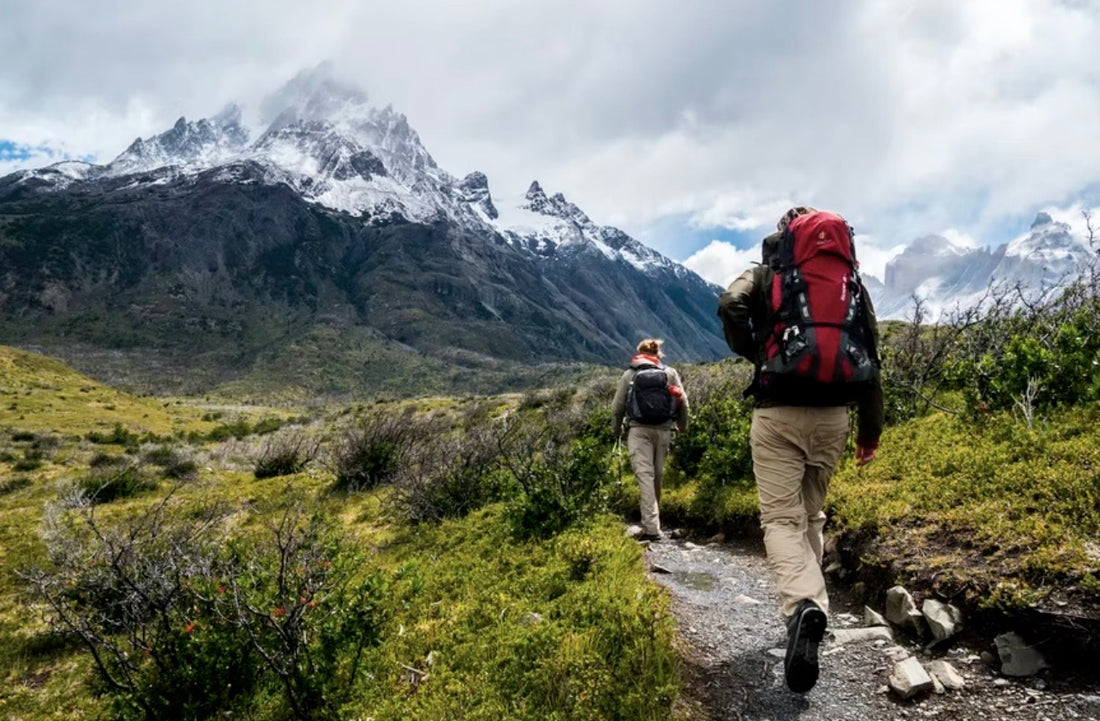
Use These Trusted Hiking Hacks for the Best Hikes Ever
Camping or taking a break? If you take off your hiking boots, throw a dry tea bag in each one. This is one of the best hiking hacks because it helps your boots smell better and dry out faster so that they're more comfortable to put back on. This can extend the life of your hiking boots and make sure they're around for a long time so that you can keep on hiking.
Learn more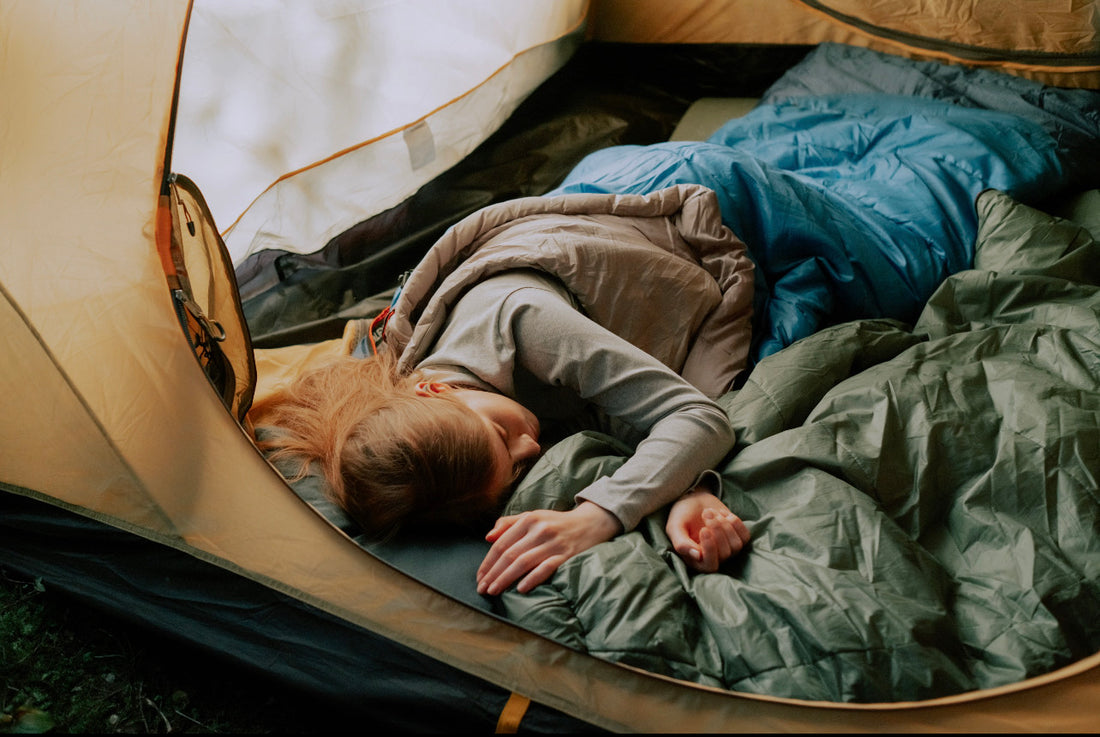
How To Be Warmer in a Sleeping Bag When It's Cold Outside
If you are hiking or camping in cold weather, one essential part of ensuring your trip is enjoyable is making sure that your sleeping arrangements are warm enough. Sleeping bags can be incredibly warm, but sometimes, just a sleeping bag alone won't do the trick.
Learn more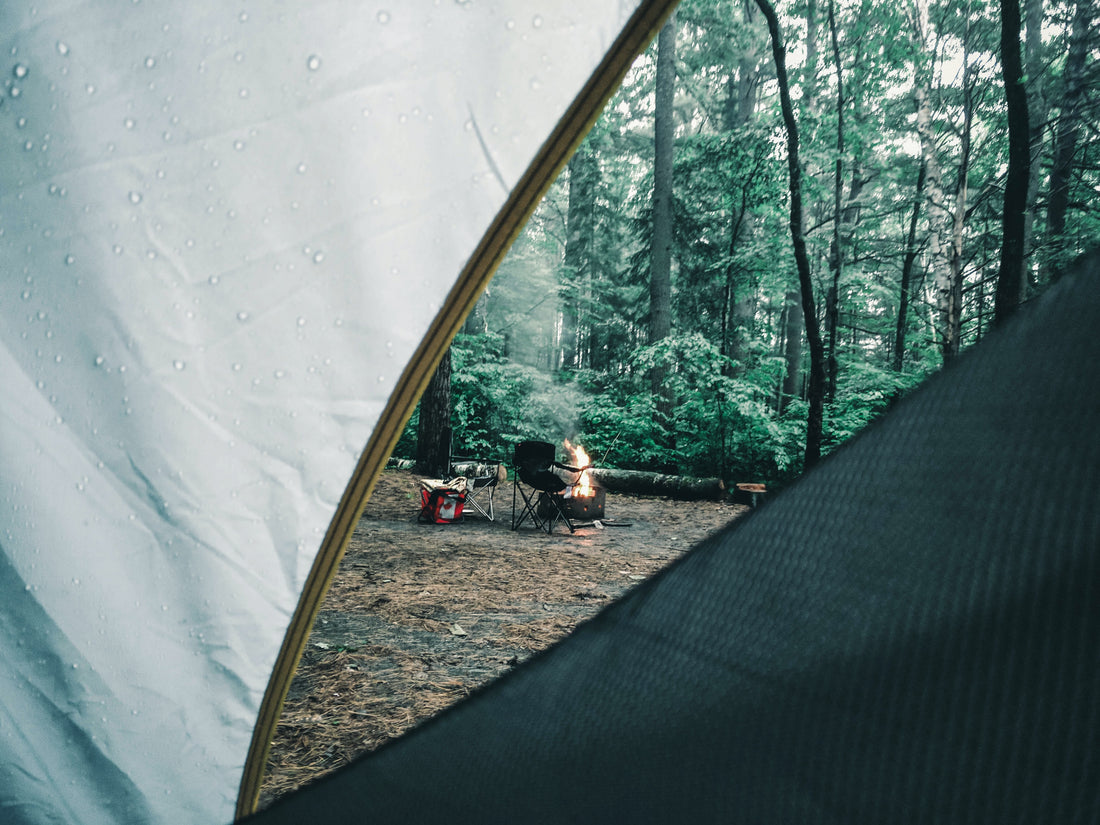
Tips for Having Fun When You're Camping in the Rain
Camping in the rain doesn't have to be a drag. In fact, it can be a blast. Read our guide full of surefire tips to ensure you enjoy a rainy camping trip.
Learn more