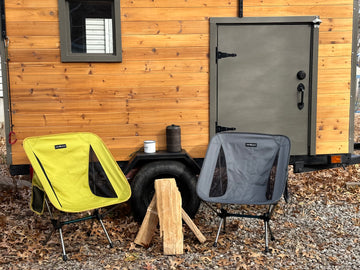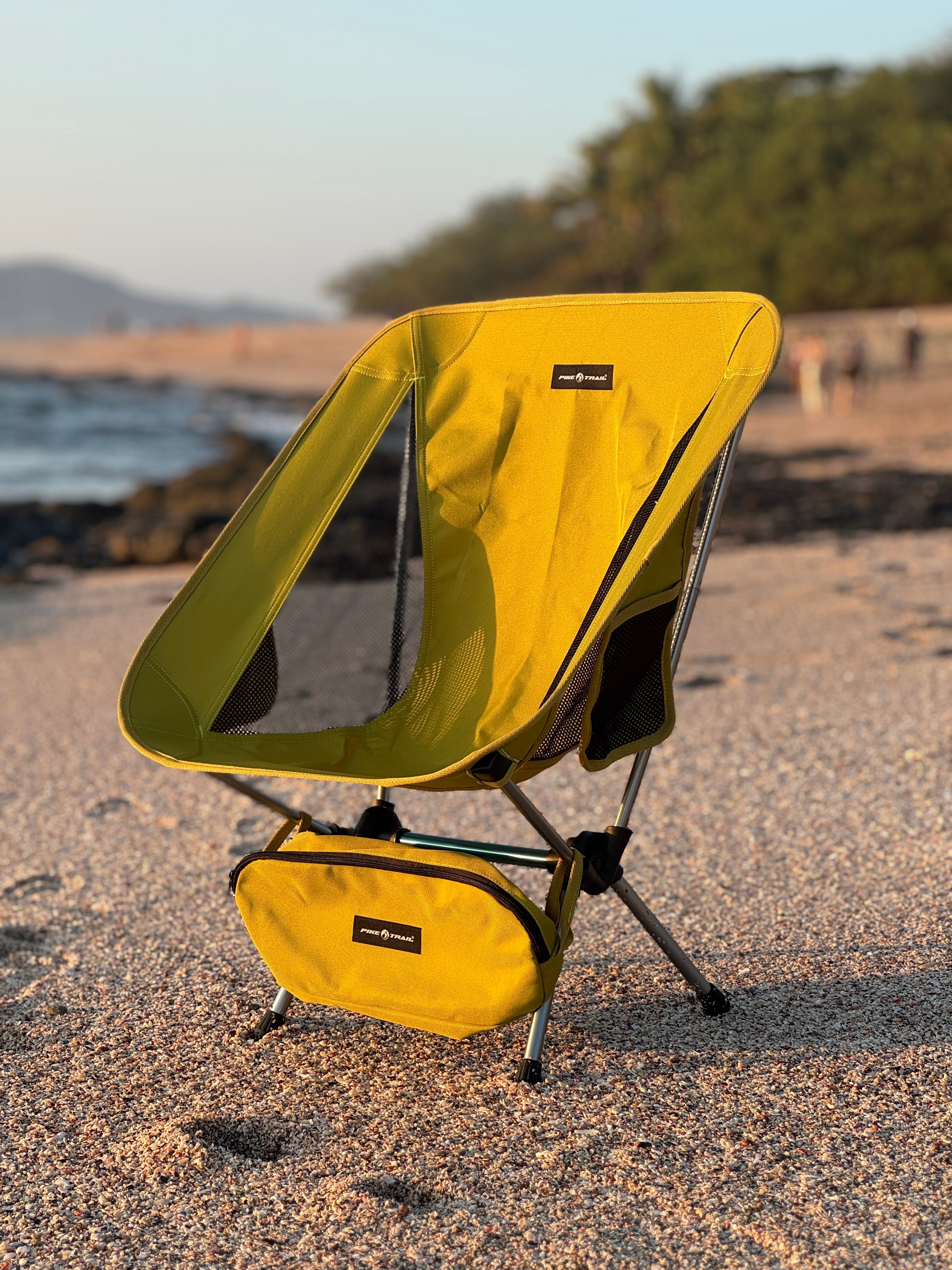
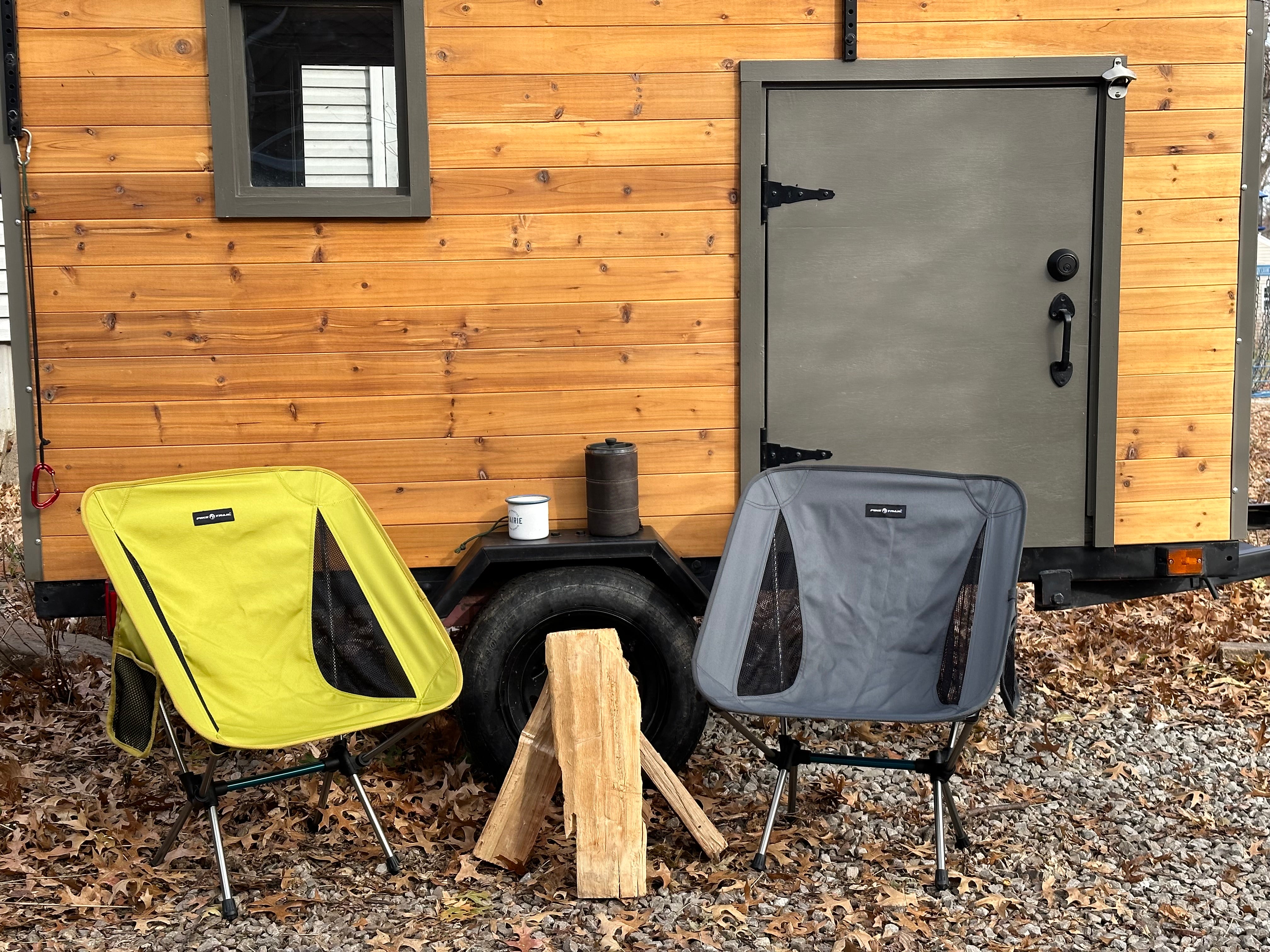
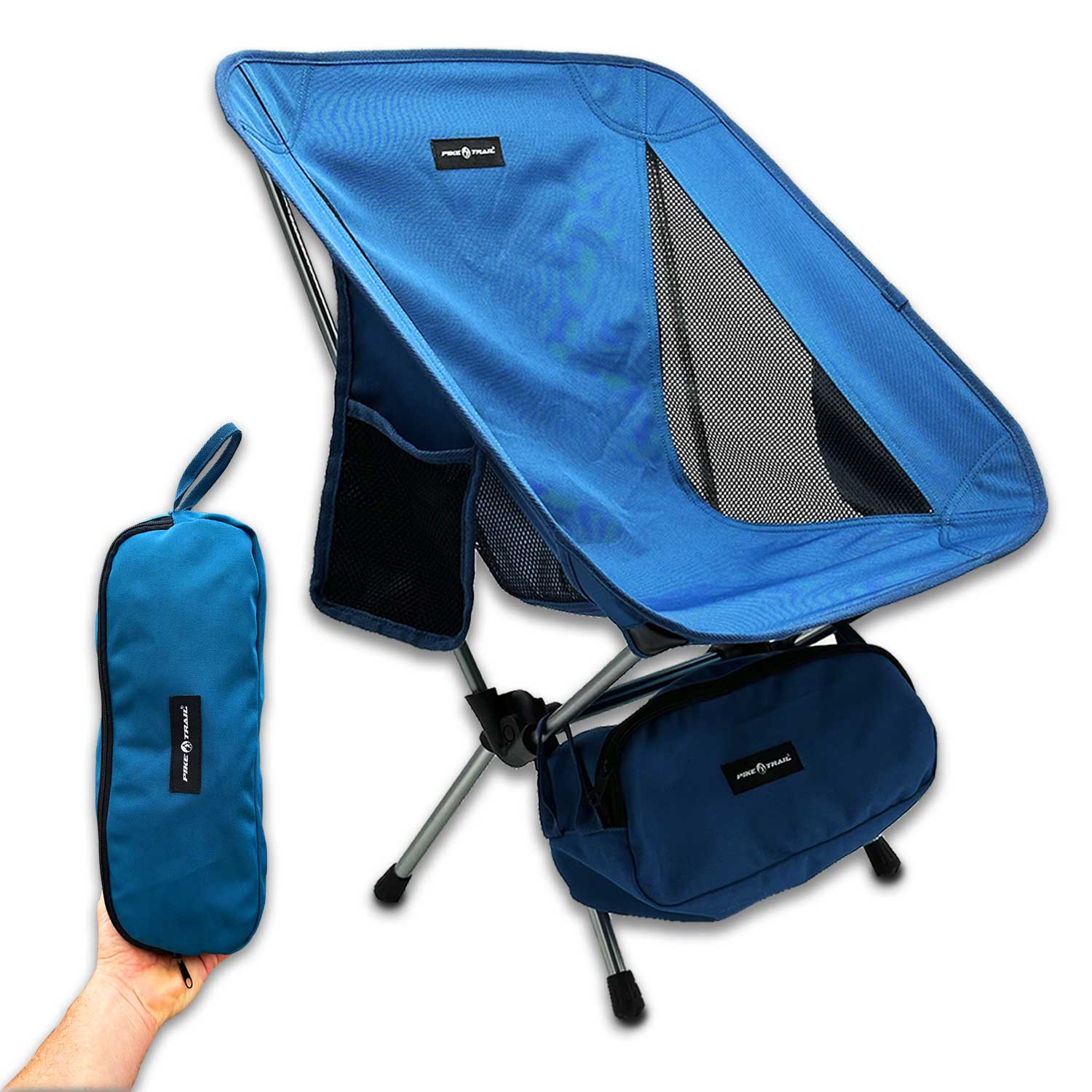
Pike Trail Ultralight Compact Outdoor Camping Tailgate Festival Beach Chair
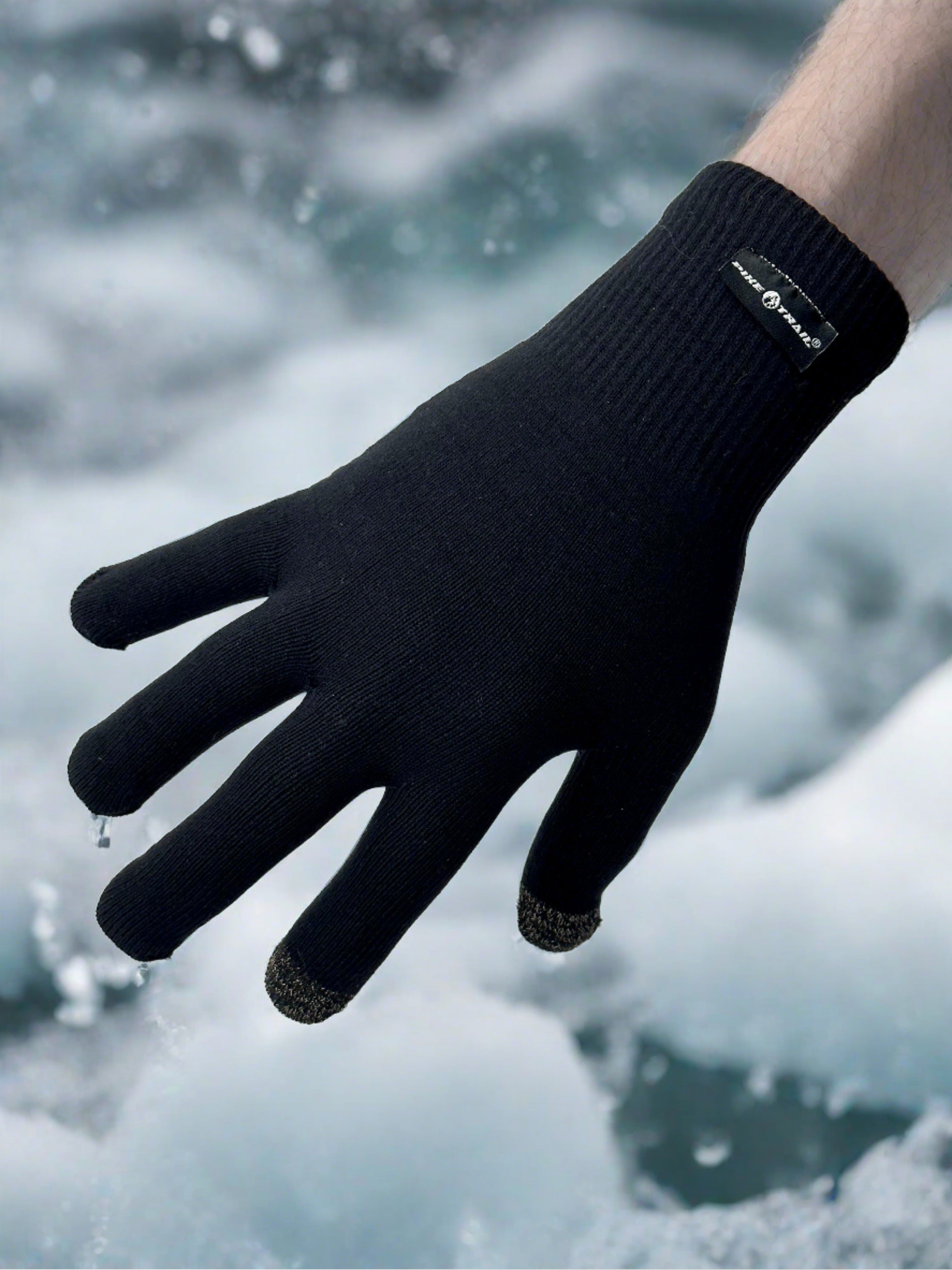
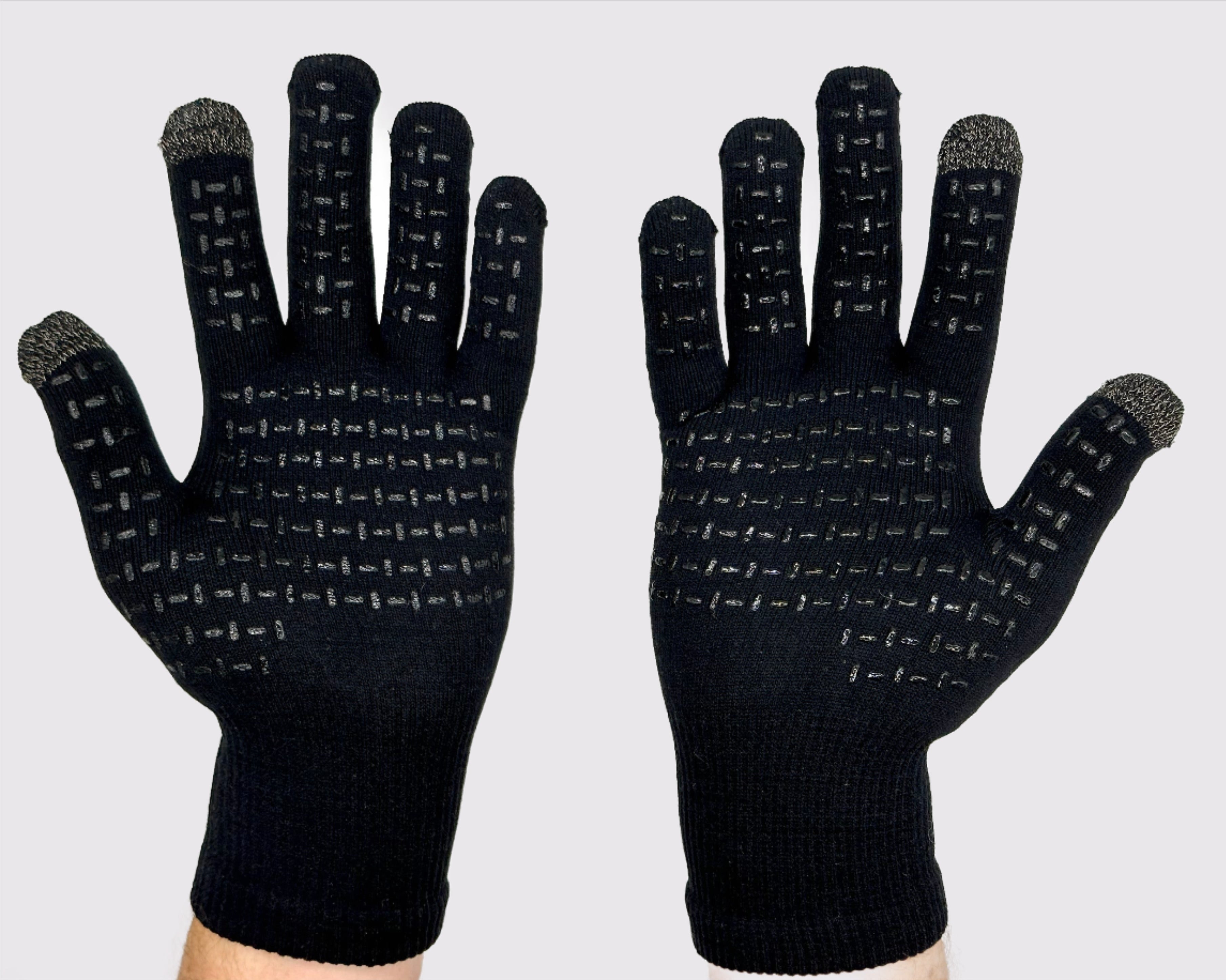
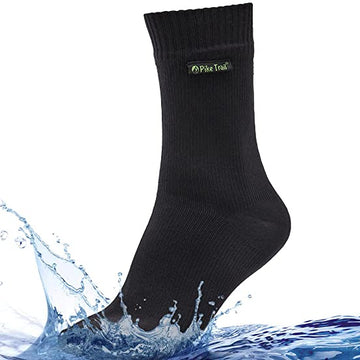
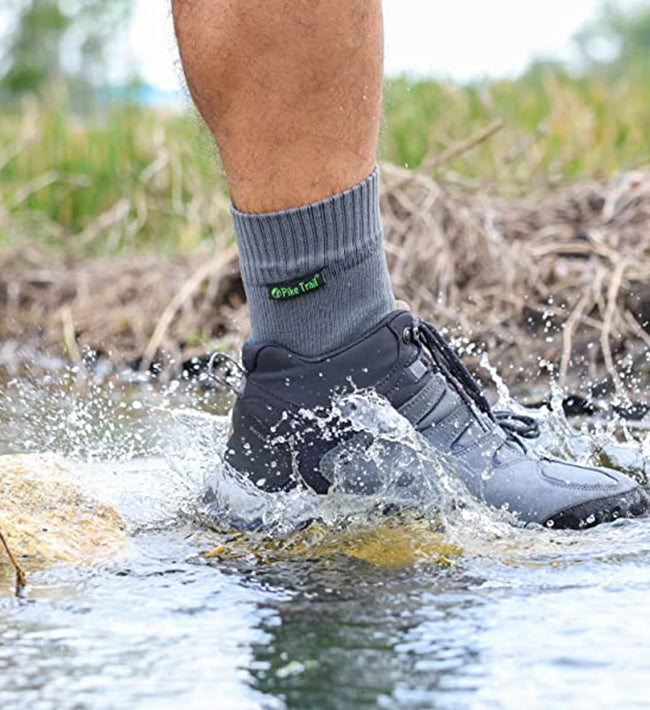
Pike Trail Water Resistance Seamless Gloves
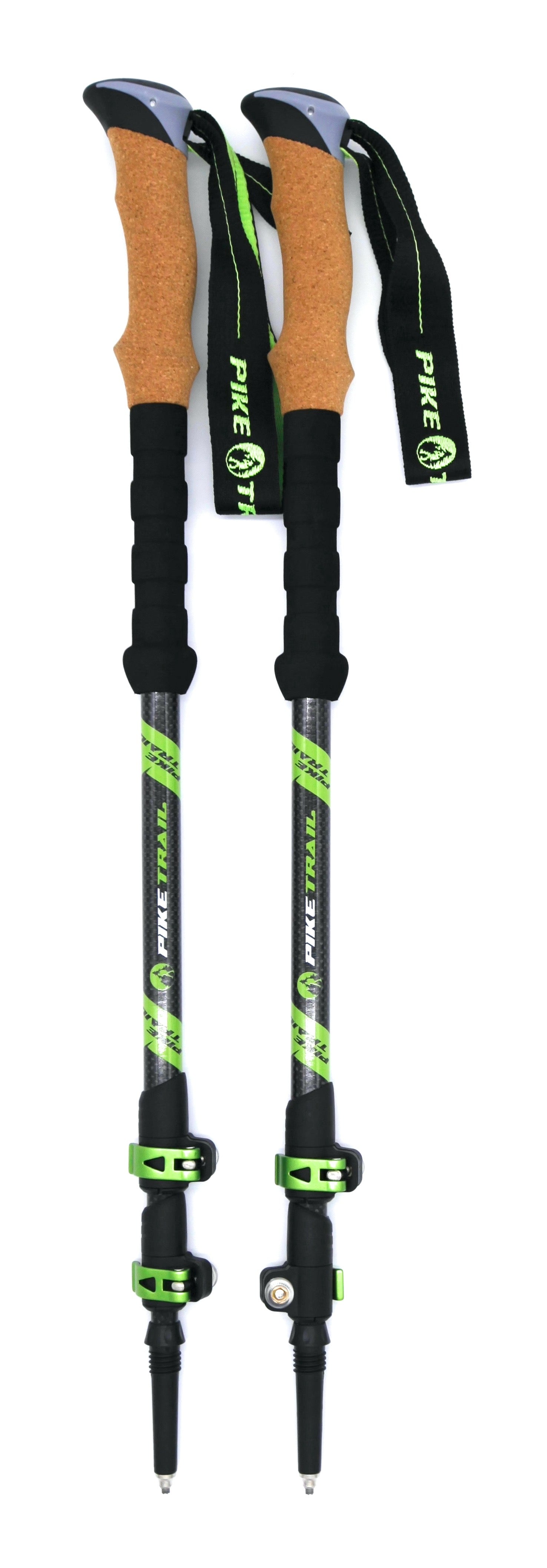
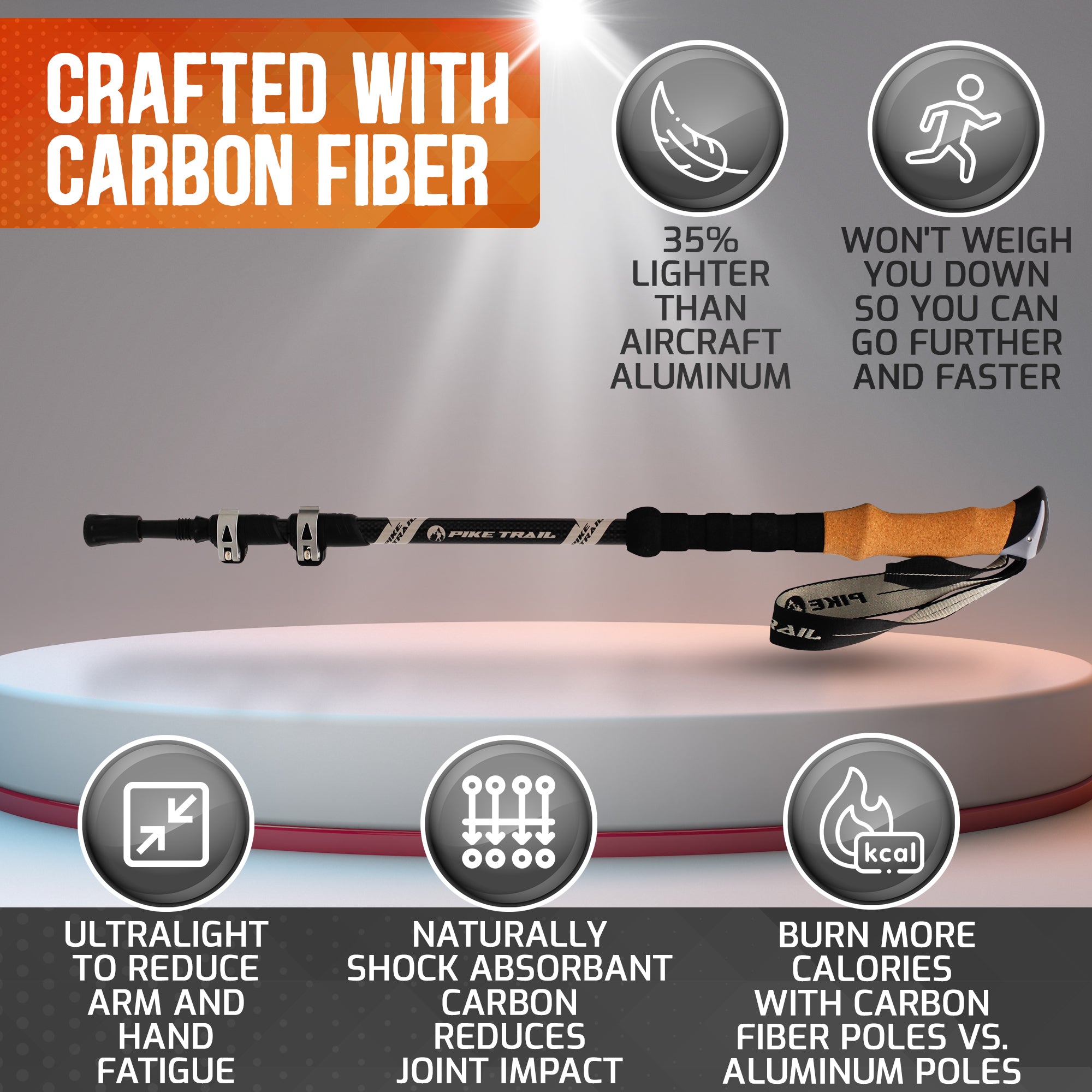
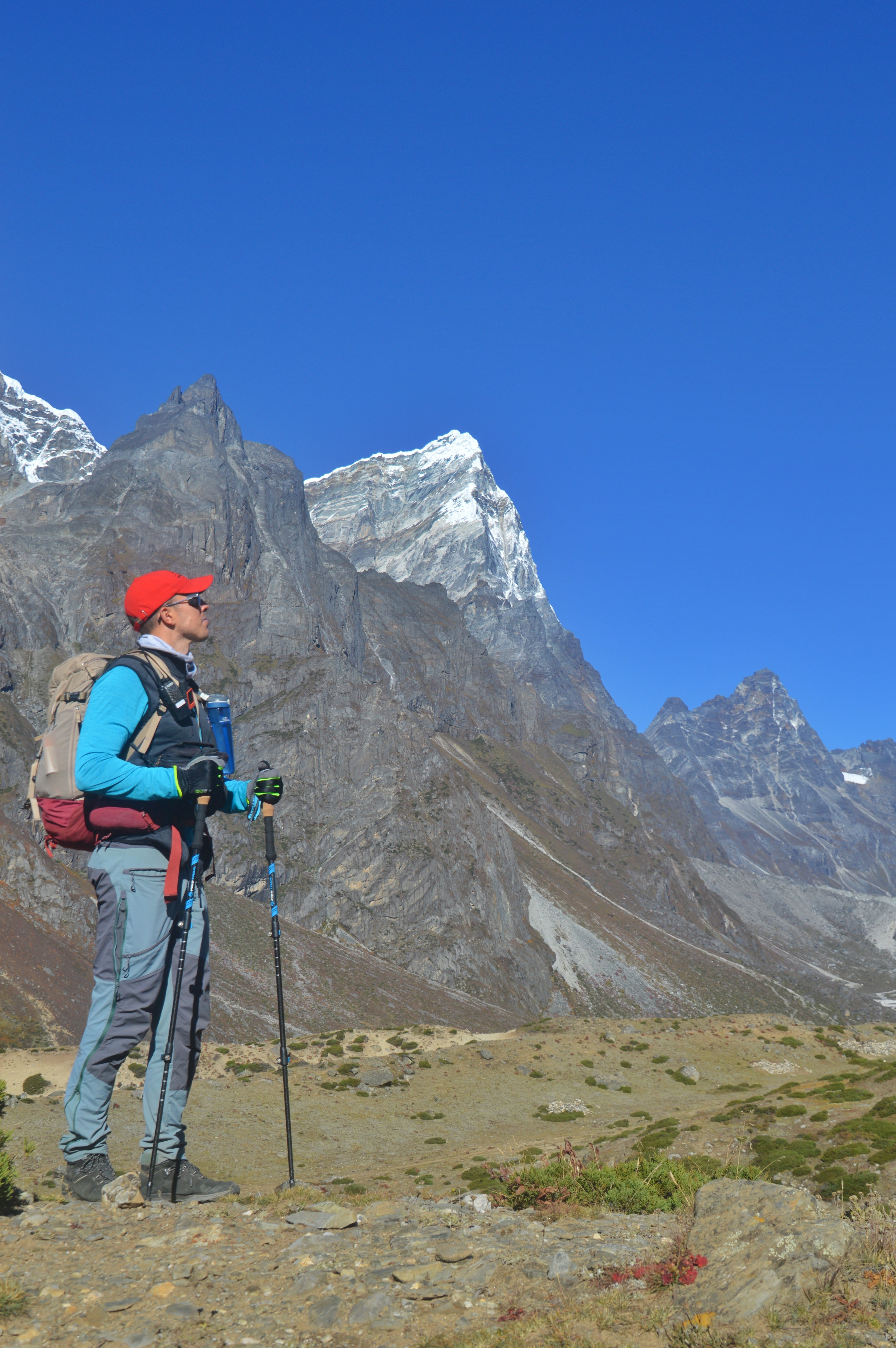
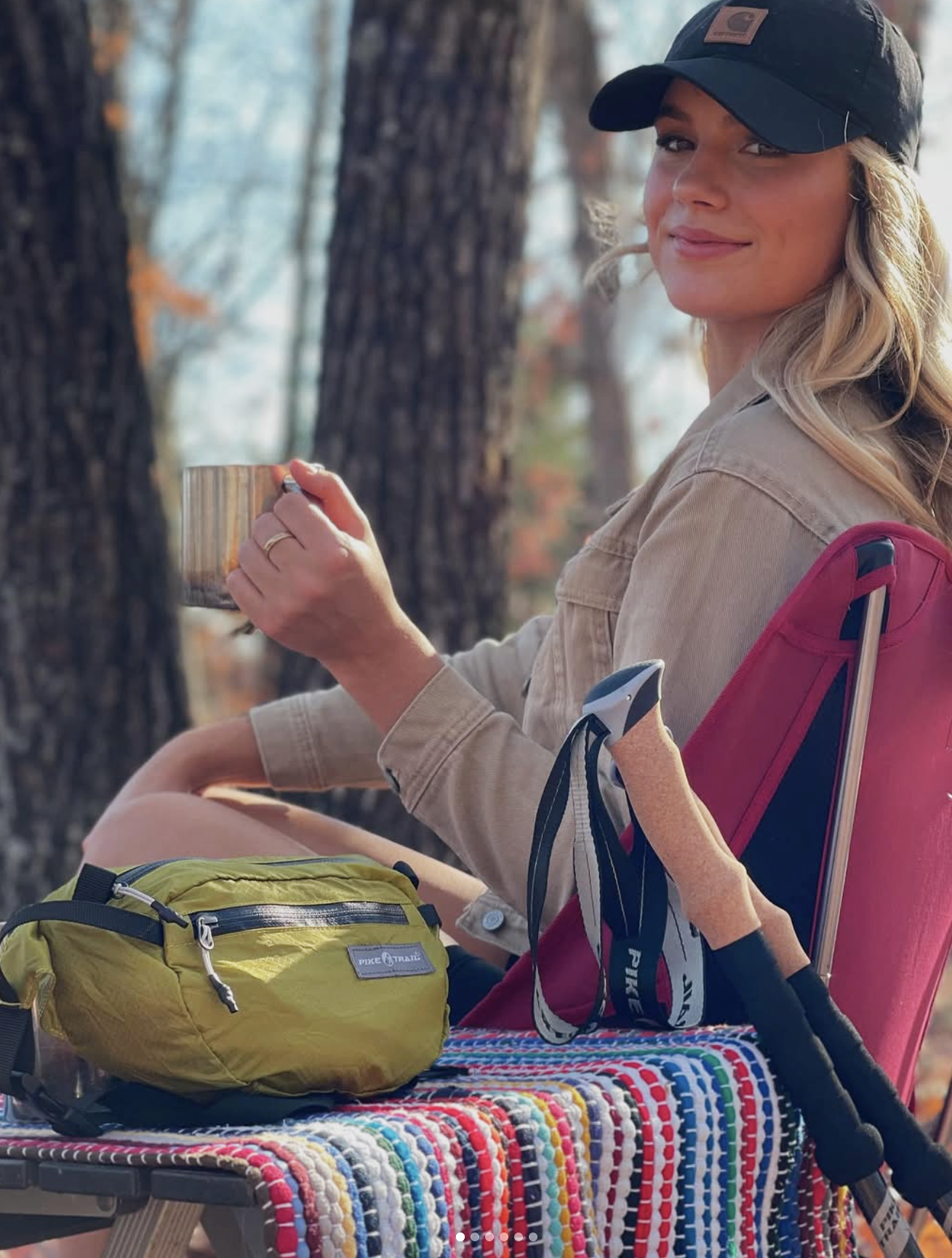
Pike Trail Carbon Fiber Trekking Poles – Lightweight, Adjustable Hiking Poles for Every Adventure
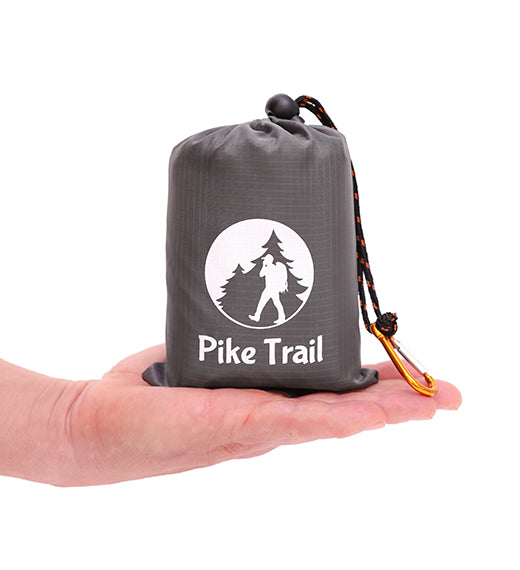
Extra Thick and Wear Resisting Rubber Tips for Trekking Poles, Hiking Sticks, Hiking Poles and Nordic Walking Poles
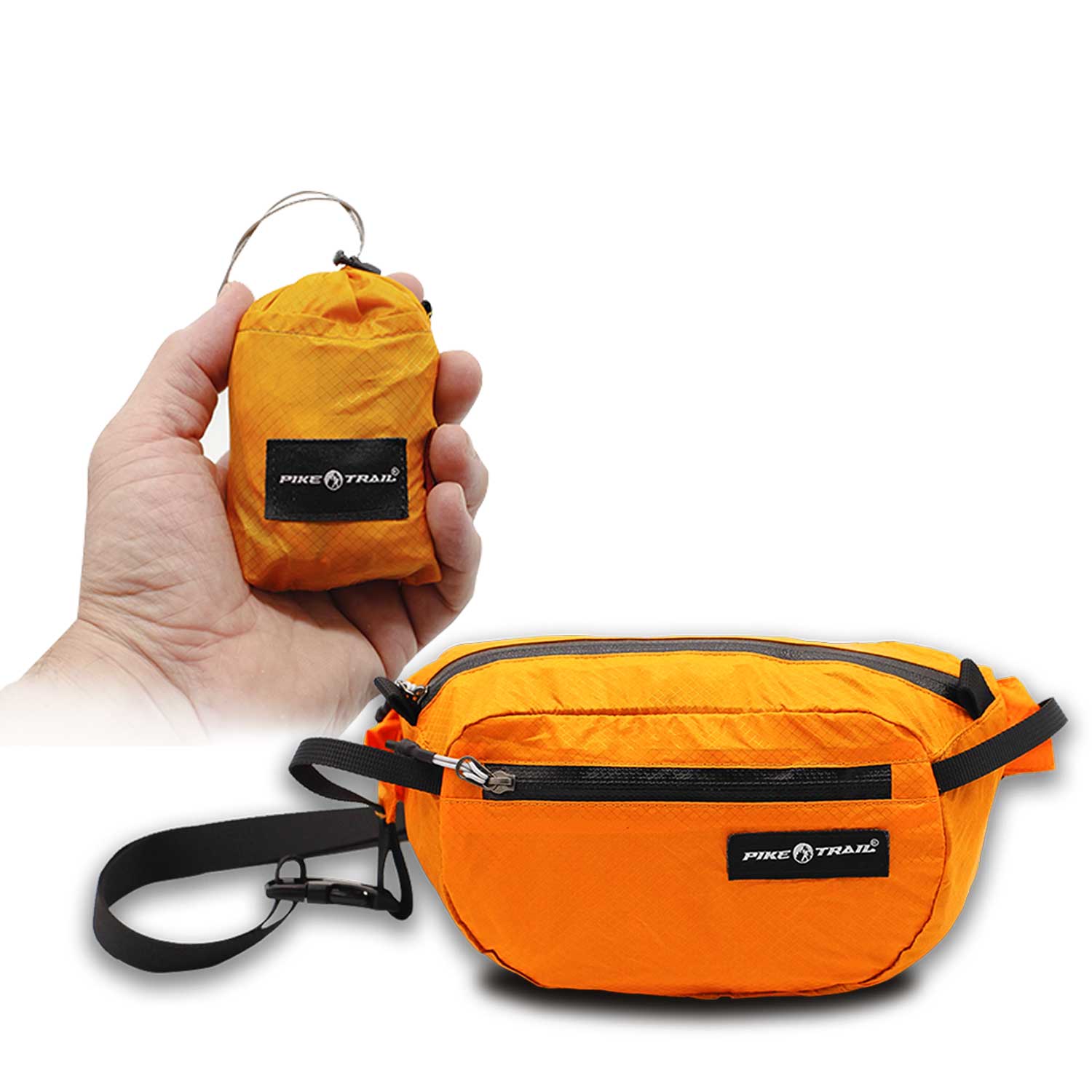
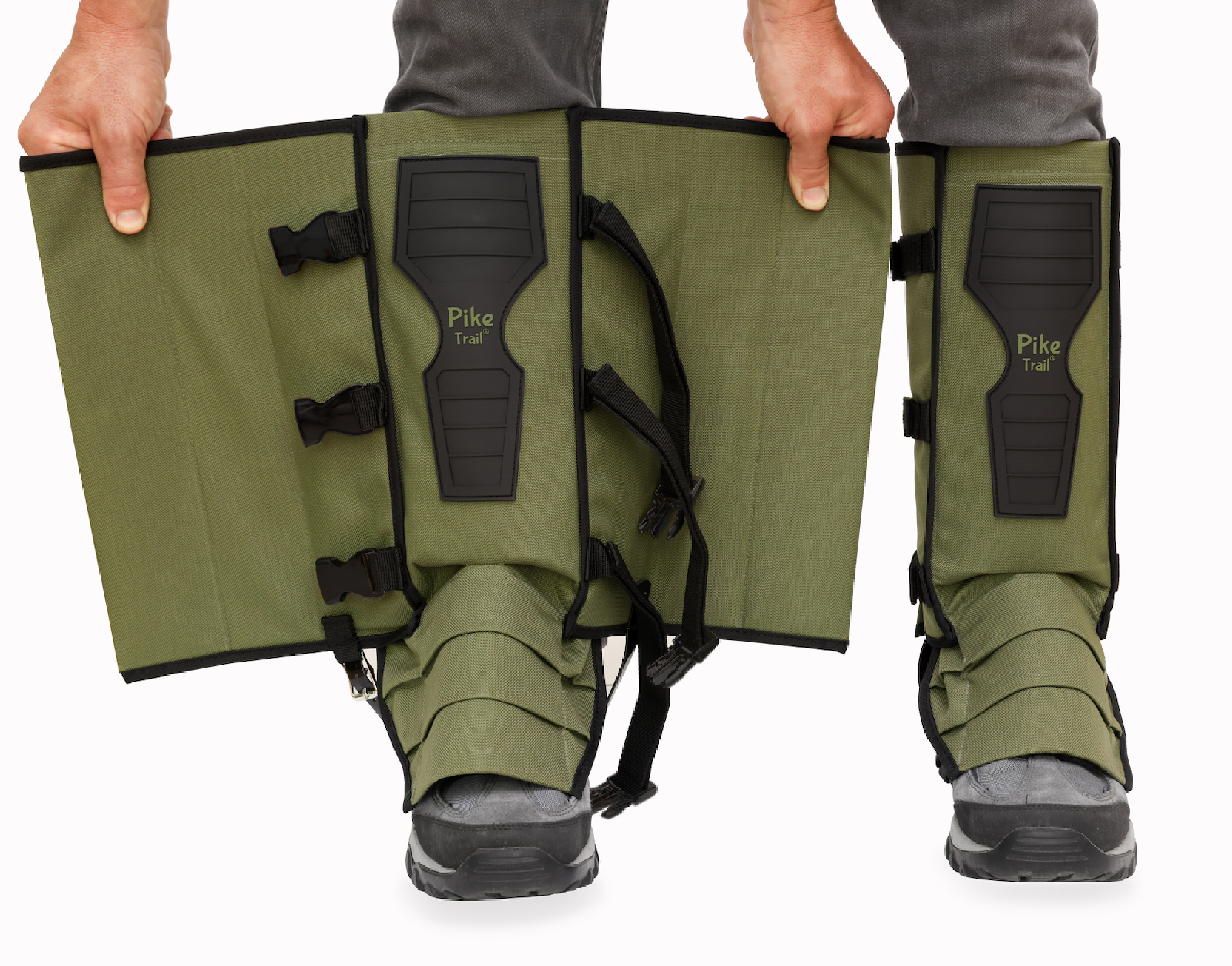
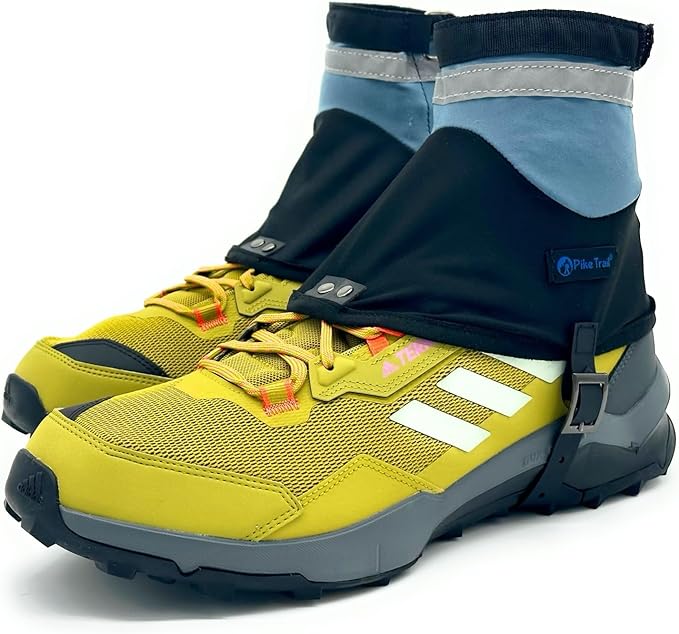
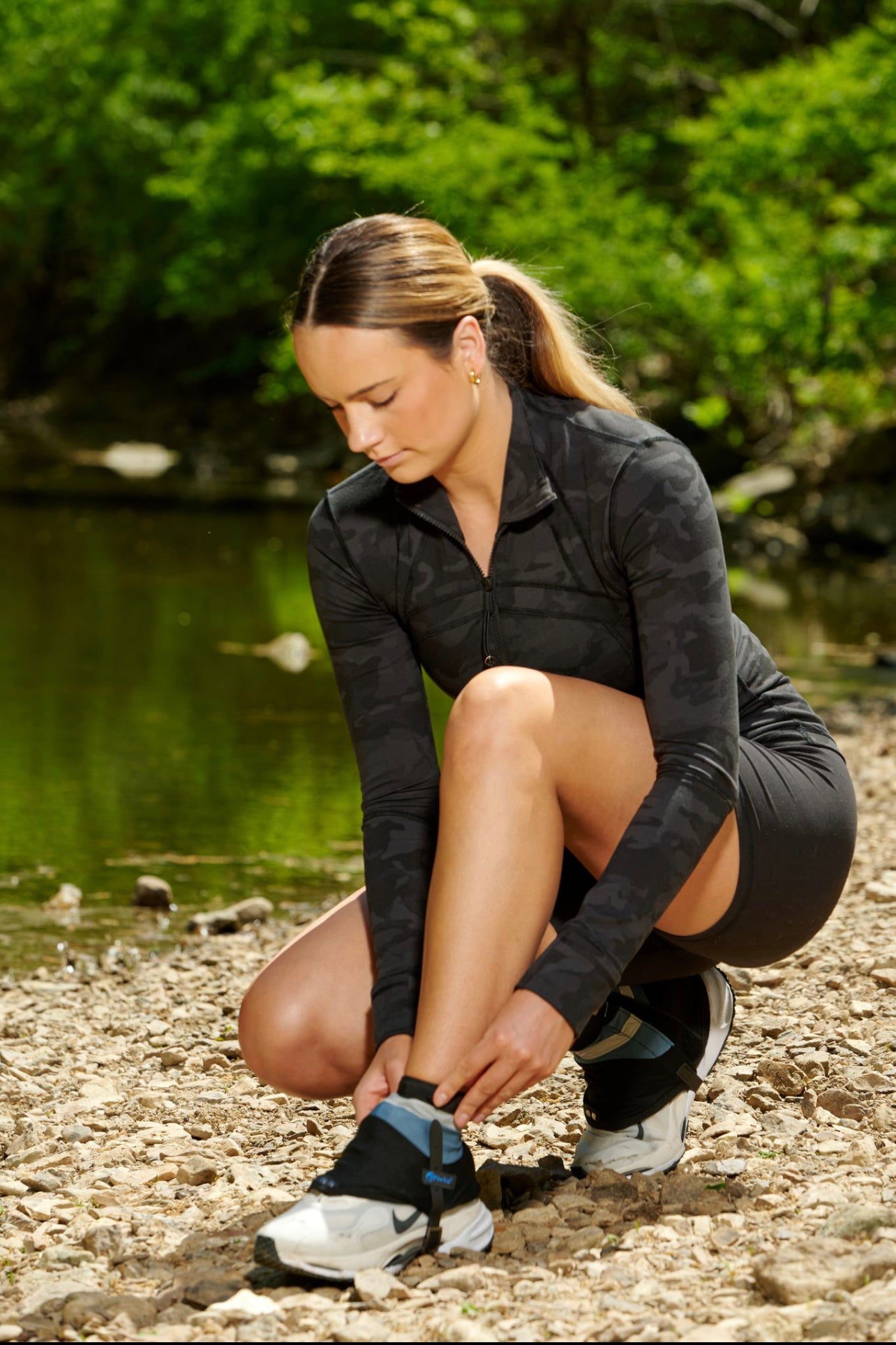
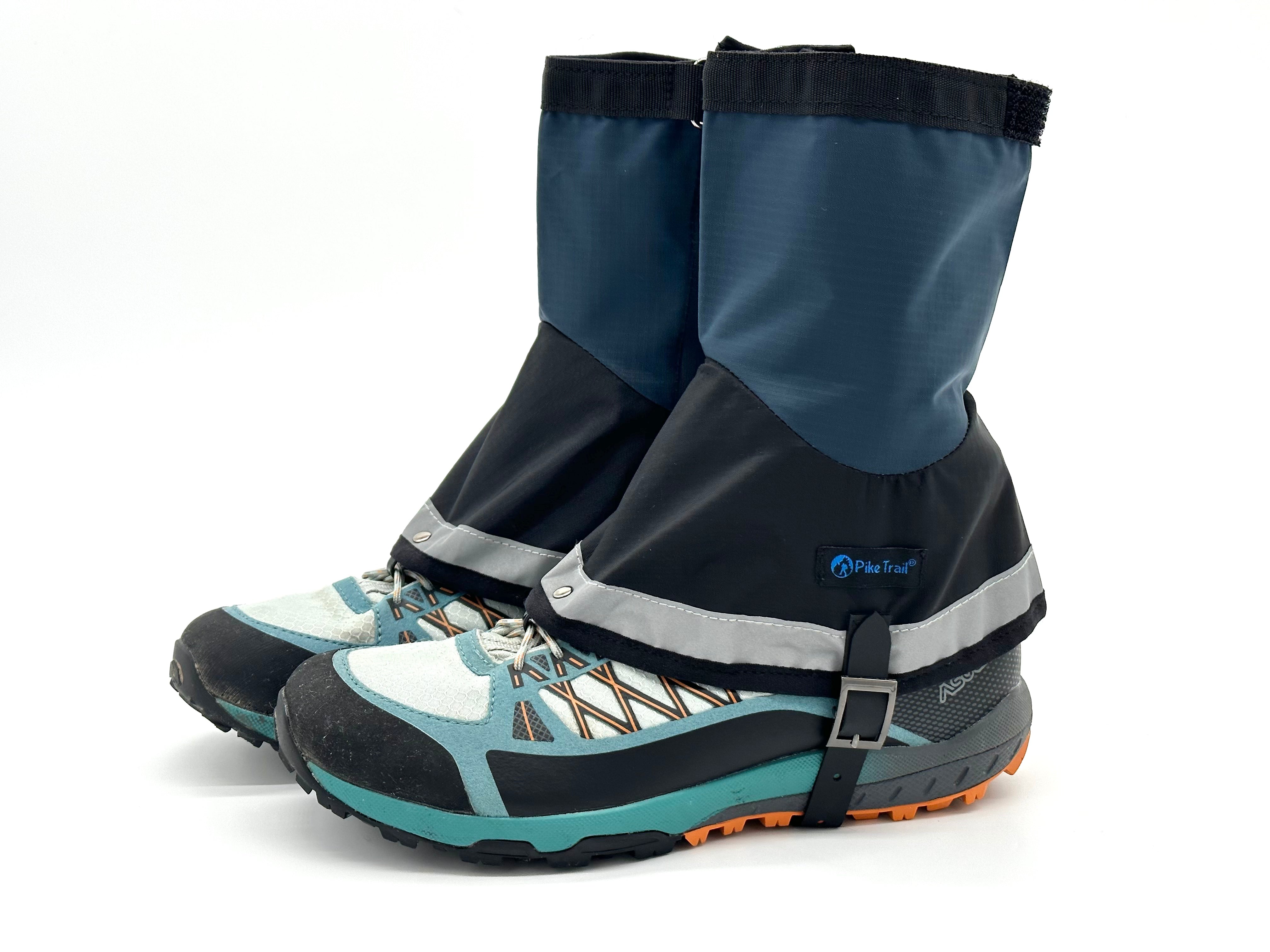
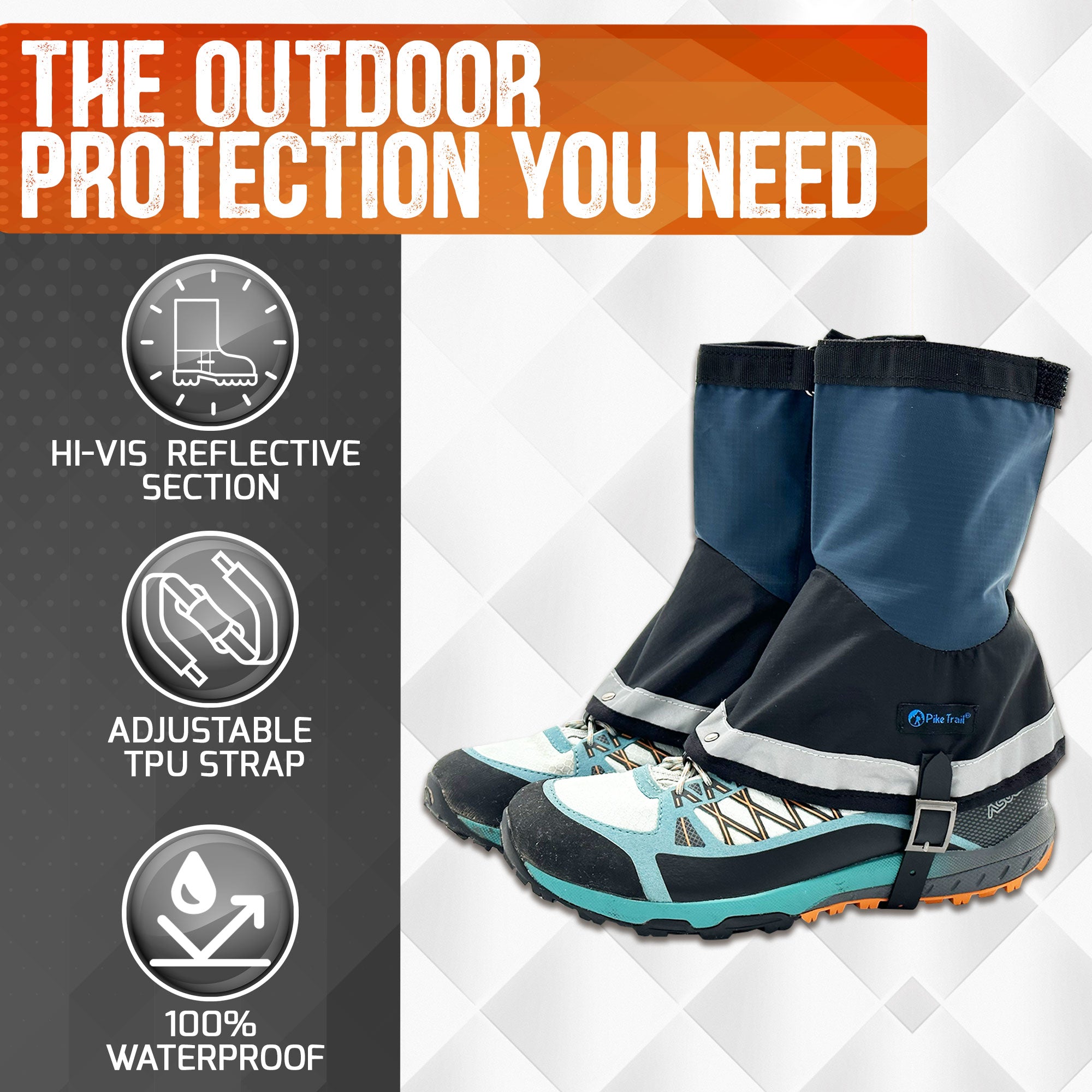
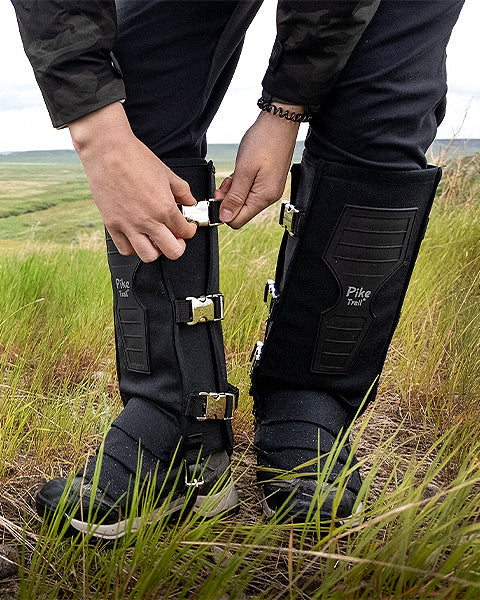
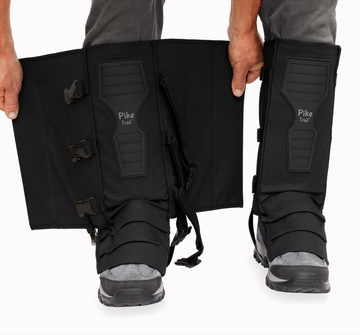
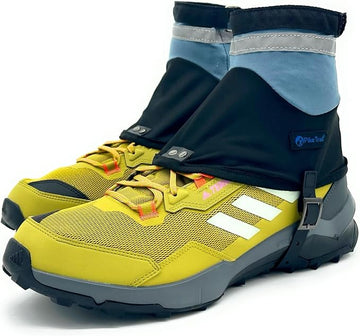
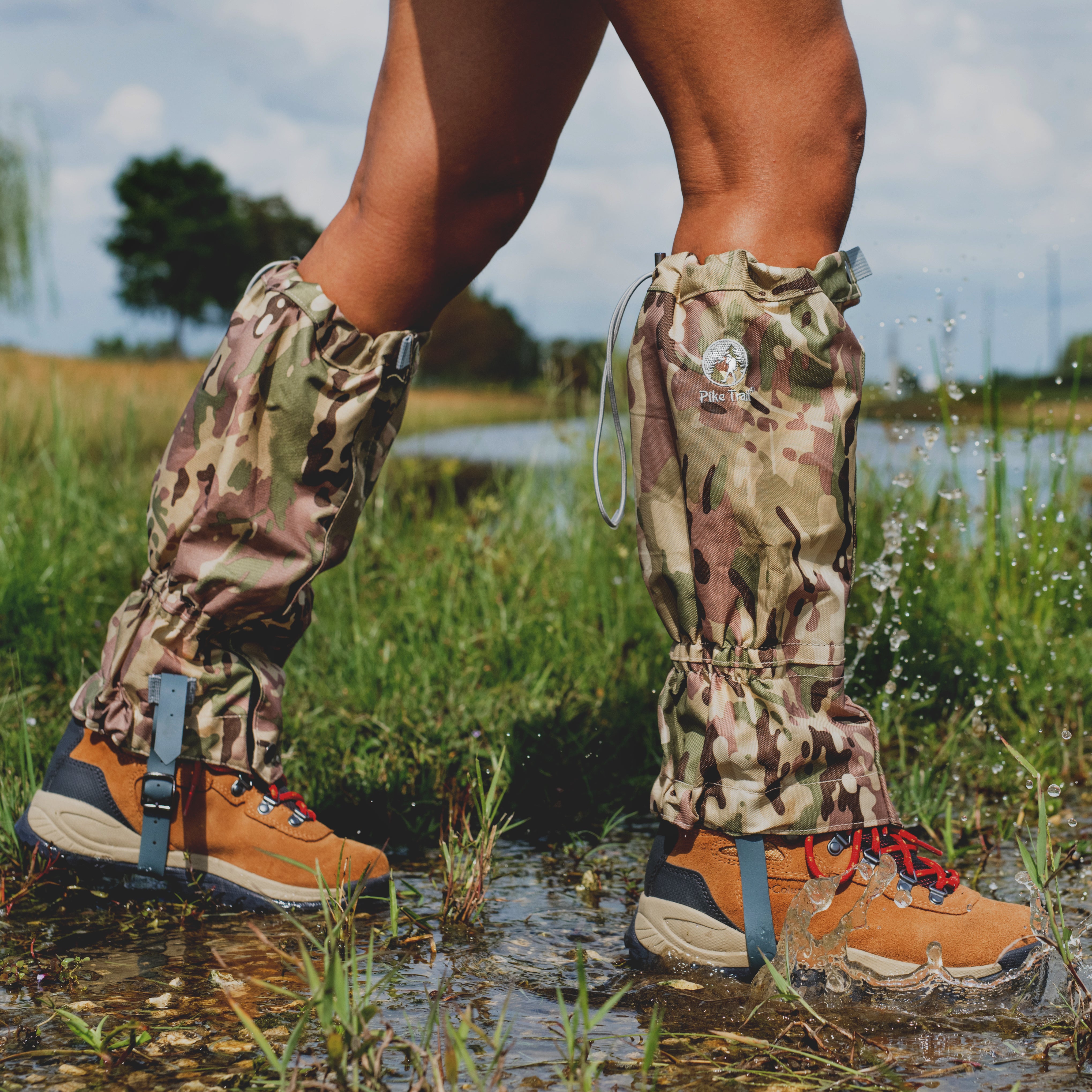
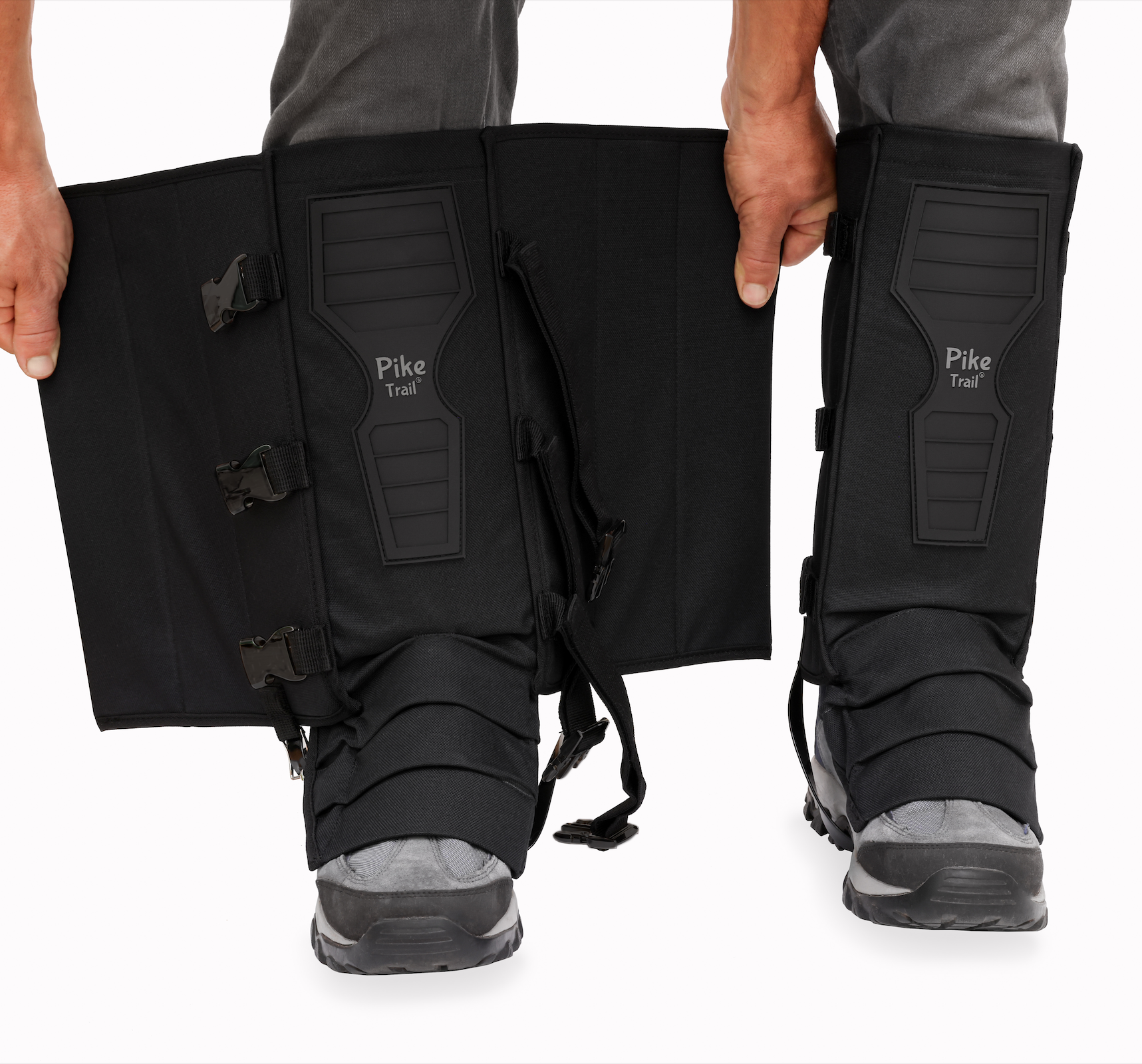
Pike Trail Mid Length Gaiters Small/Medium Adjustable Fit
Our Mission
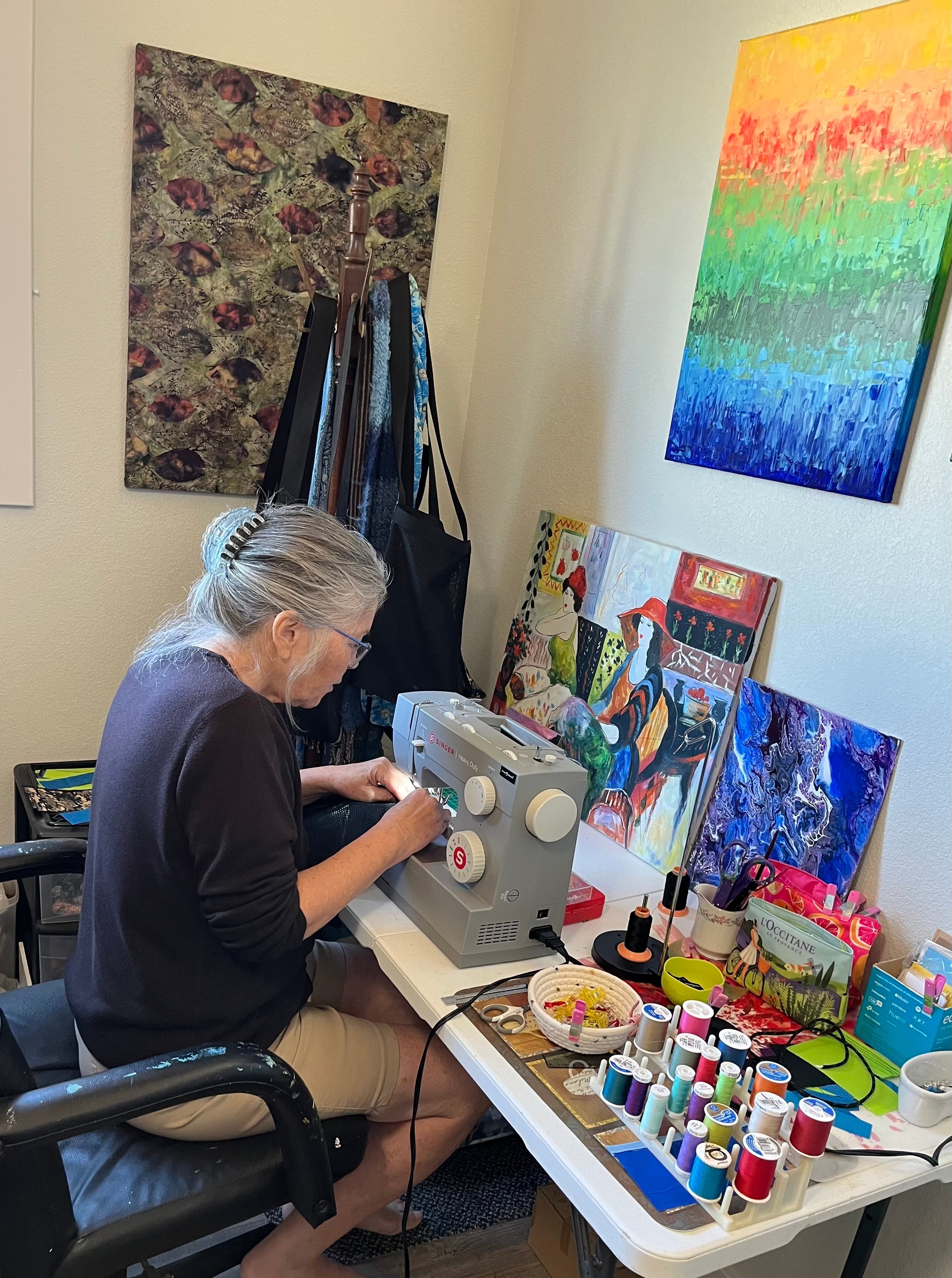
To create bulletproof handcrafted outdoor gear responsibly. Bringing back USA manufacturing jobs by employing seamstress artisans in our local community of Columbia, MO.
Working Dogs for Warriors
Let's be real for a sec.. shall we? We all love the outdoors and all the beautiful places that we have to explore in this fine country of ours called America. However, NONE of this would be possible without the service and sacrifice of our active military, returning veterans and first responders. Please join us in helping to give back to these warriors and defenders of the mainland who have returned from the battle field while suffering from the effects of PTSD. We have partnered with Working Dogs For Warriors to match our returning heros with a trained, loyal, canine companion to help ease their sufferings as they struggle to adapt to their new life. Together we can ease the pain of PTSD one warrior at a time. Donate or Learn More by clicking on the button below.
Journal
The Tick That Can Take Red Meat Away for Life: Alpha-Gal Syndrome and How to Defend Against It
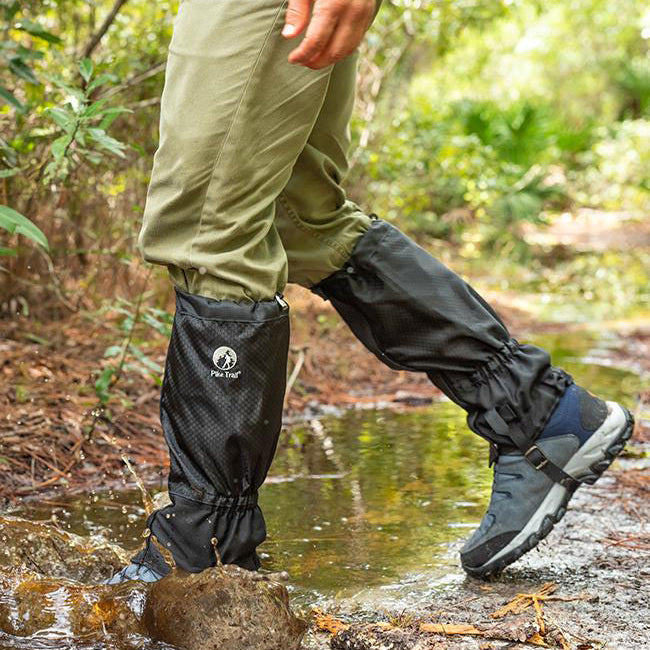
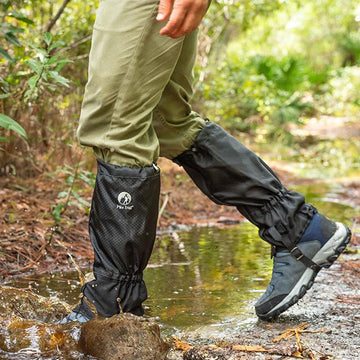
There's a tick crawling through the tall grass right now that doesn't carry Lyme disease — it carries something stranger and, for a lot of people, far more life-altering. One bite can leave you unable to eat a hamburger, a steak, bacon, or even a scoop of ice cream without breaking out in hives, doubling over with stomach cramps, or in the worst cases, going into anaphylaxis. It's called alpha-gal syndrome, and if you spend any time outdoors — hiking, hunting, fishing, paddling, or just mowing the back forty — it's worth understanding. Especially because the tick that causes it is spreading into places it has never been, biting people who have never heard of it. Here's what's going on, and how a good pair of gaiters (plus one cheap, powerful hack) can keep you off the casualty list. What Is Alpha-Gal Syndrome? Alpha-gal is short for galactose-alpha-1,3-galactose — a sugar molecule found in the tissue of almost all mammals. Beef, pork, lamb, venison, rabbit, even the dairy and gelatin that come from those animals all contain it. Humans don't. When a lone star tick bites you, its saliva can introduce alpha-gal into your bloodstream. For some people, the immune system reacts by treating that sugar as a threat — and it builds antibodies against it. From that point on, every time you eat red meat or a mammal-derived product, your body can mount an allergic response to it. In other words: a single tick bite can flip a switch that turns the meat you've eaten your whole life into something your body attacks. Meet the Lone Star Tick The lone star tick (Amblyomma americanum) gets its name from the single white dot on the back of the adult female. It's an aggressive biter — unlike some ticks that wait passively, lone stars will actively move toward a host. And it's not just the adults you have to worry about. The tiny larvae, sometimes called "seed ticks," are no bigger than a poppy seed and can latch on by the dozens before you ever feel them. That's the problem. These ticks live low — in leaf litter, brush, and tall grass — and they climb. Your ankles and lower legs are ground zero. It's Spreading — and Most People Have No Idea For a long time, alpha-gal was considered a Southern problem. The lone star tick was historically a creature of the Southeast, so that's where the cases were. That's changing fast. Warming winters, shifting deer populations, and changes in land use are pushing the lone star tick north and west into regions it never occupied before. Public health officials in the Northeast are now calling alpha-gal an emerging concern — Massachusetts began tracking it as a reportable condition this year, and Martha's Vineyard alone logged hundreds of positive tests in a single season. Cases have now been identified in nearly all 50 states, and the syndrome got its own official diagnosis code in 2024. The CDC estimates as many as 450,000 Americans may be affected — with more than 110,000 suspected cases documented between 2010 and 2022 alone. And because alpha-gal isn't a nationally reportable disease, the real number is almost certainly higher. Here's the scary part: in these newer territories, a lot of doctors aren't looking for it. People get bitten, develop the allergy, and then suffer through months of mysterious reactions before anyone connects the dots. If you live in the Midwest, the mid-Atlantic, the Northeast, or anywhere the lone star tick is moving in, you and your physician may not even know it's on the table. Why the "Meat Issue" Is Such a Big Deal This is the part that catches people off guard. Most food allergies hit fast — eat the peanut, react within minutes. Alpha-gal doesn't play by those rules. The reaction is delayed. Symptoms typically show up 2 to 6 hours after you eat, often in the middle of the night after a dinner you've long since forgotten about. That delay is exactly why it's so hard to diagnose — almost no one connects last night's burger to the 2 a.m. hives. And the symptoms aren't trivial. They can include: Hives, intense itching, and skin rashes Swelling of the lips, face, throat, and eyelids Severe stomach pain, nausea, vomiting, and diarrhea Drop in blood pressure, dizziness, and shortness of breath Anaphylaxis — a life-threatening, whole-body reaction It's not always consistent, either. Someone with alpha-gal might tolerate a small amount of meat one day and have a violent reaction the next, which makes living with it a constant guessing game. The syndrome can be life-threatening; there have been documented deaths. Then there's the lifestyle gut-punch. Imagine being a hunter who can no longer eat the venison you harvest. A backyard-barbecue family who has to give up burgers and brats. Someone who suddenly has to read every label for hidden mammal-derived ingredients — gelatin in gummy vitamins, dairy in dressings, even certain medications coated with mammal byproducts. For a lot of people, alpha-gal doesn't just change their diet. It changes how they live. The good news: there's currently no cure, but there's a whole lot of prevention. And prevention starts at your ankles. Your First Line of Defense: Cover the Strike Zone Ticks don't fall from trees. They climb up from the ground — from the grass and brush that brush against your boots and shins. That means your lower legs are the front line, and the single most effective thing you can do is stop ticks before they ever reach skin. That's exactly what Pike Trail gaiters are built for: Leg Gaiters — full lower-leg coverage that seals the gap between your boots and pants, the classic choice for hiking, hunting, and bushwhacking through thick cover. Mid-Length Gaiters — lighter, lower-profile protection for trail days, scouting, and warmer weather when you still want a barrier over your shins and ankles. Running Gaiters — low-cut ankle coverage for trail runners and fast-and-light days, protecting the exact spot where seed ticks climb aboard. A gaiter creates a physical wall over the prime real estate where lone star ticks try to board. It's simple, it's mechanical, and it works — no ankle access, no bite. But you can make that wall dramatically more lethal to ticks with one easy step. The Permethrin Hack: Turn Your Gaiters Into Tick Armor Here's the move every serious outdoorsperson should know: treat your gaiters with permethrin before you head out. Permethrin is a clothing-and-gear insect treatment (it's applied to fabric, never to skin) that doesn't just repel ticks — it kills them on contact. A tick that crawls onto treated fabric gets knocked down before it can ever reach you. In a University of Rhode Island study, people wearing permethrin-treated shoes and socks were 73.6 times less likely to get a tick bite than those in untreated footwear. And here's why it's such a good deal: a single treatment lasts. With consumer spray-on permethrin (like Sawyer's 0.5% formula), one application bonds to the fabric fibers and stays effective for roughly 6 weeks or 6 washings, whichever comes first. You're not re-spraying before every outing — you treat your gaiters once and you're covered for weeks. Even better, sweat and rain won't wash it out. Once it's dried and bonded to the fibers, water exposure barely touches it — it's the heavy agitation of a washing machine and prolonged UV sunlight that slowly break it down. Want to stretch a treatment even further? Hand-wash and air-dry your gaiters, or use the gentle cycle, and that single application will go the distance. How to do it right: Spray your gaiters outdoors in a well-ventilated spot (a garage or driveway works), holding the bottle 6–8 inches away and treating each side for about 30 seconds until the fabric is evenly damp. Let them hang and dry completely — about 2 hours, or up to 4 in humid weather. Once dry, permethrin is completely odorless and won't stain or damage your gear. Keep treated gear away from cats until it's fully dry (it's safe for dogs and people once dry, but wet permethrin is toxic to cats). Re-treat after about 6 weeks or 6 washes to keep the protection at full strength. One bottle treats multiple sets of gear, which makes this one of the cheapest, highest-impact upgrades you can add to your kit. Layer Your Defense No single tool is a force field, so stack them: Wear your gaiters every time you're in grass or brush — and pre-treat them with permethrin. Tuck pants into socks and wear light-colored clothing so ticks are easier to spot. Do a tick check the moment you're back — focus on the lower legs, behind the knees, waistband, and hairline. Shower within a couple of hours of coming inside to wash off any unattached ticks. Know the signs. If you develop unexplained hives, stomach trouble, or swelling a few hours after eating red meat — especially if you've had a tick bite in the past year — tell your doctor and ask specifically about alpha-gal. Wander More. Worry Less. The outdoors isn't something to be afraid of — it's something to be prepared for. A tiny tick shouldn't be the reason you give up the trail, the hunt, or the steak you earned at the end of the day. Cover the strike zone, treat your gear, and check yourself when you get home. Do that, and you can keep doing what you love with one less thing to worry about. This article is for general education and isn't medical advice. No gaiter, treatment, or precaution eliminates tick-borne risk entirely — always perform tick checks and consult a healthcare provider about any symptoms or for diagnosis. Follow all permethrin product label instructions.
Learn moreCoast to Coast at 66: Dan Cronin's 3,800-Mile Ride Home
The Long Way Home: At 66, Dan Cronin Is Chasing the Freedom He Found in 1980 In the early fall of 1980, a twenty-year-old college kid from Foxboro, Massachusetts pointed his bike south and rode all the way to Orlando, Florida. He'd just finished his sophomore year and wasn't sure what he wanted to do next, so he and his best friend did what made sense at the time: they pedaled until the questions got quieter. He didn't know it yet, but that ride would stay with him for the next four and a half decades as a single, stubborn feeling — pure joy, total freedom. This summer, Dan Cronin is going looking for that feeling again. Only this time the ride is roughly 3,800 miles long. We could not be prouder to introduce Dan as the newest member of the Pike Trail family. One bike, one rider, one continent On Tuesday, June 9th, Dan rolled out from a bike shop in Eugene, Oregon to begin a solo, fully self-supported journey across the United States. He's following the TransAmerica Trail, the legendary route mapped by Adventure Cycling out of Missoula, Montana — the gold standard for touring cyclists the world over. Oregon. Idaho. Montana. Wyoming, with a stretch through Yellowstone. The Continental Divide through Colorado. The trail officially ends in Yorktown, Virginia, but Dan lives in southeastern North Carolina, so he's plotting his own ad-libbed finale south through his home state. Call it the long way home. He expects the trip to take about 60 days. There's no mileage goal, no support van, no pressure. "The decisions of how the trip goes are all on me," he told us. If he wants to take a day in a hotel, he'll take a day in a hotel. That's the whole point. A lifelong cyclist, not a late bloomer Make no mistake — this isn't a bucket-list whim. Dan has been a cyclist his entire life. As a kid in the early '70s he said goodbye to his Sting-Ray and saved up for a real bike. His father, who could see this was more than a phase, helped him buy a French Motobecane Mirage 10-speed. It cost $140. He never looked back. Since 2012 alone, Dan has logged more than 27,000 miles. His lifetime total sits somewhere around 50,000 — "but who's counting," as he puts it. To get ready for this ride he's put in 2,000 miles of aggressive training since January. At 66, retired from a career in marketing communications, with his kids grown and the road wide open, he finally has the one thing the twenty-year-old version of him didn't: the freedom from money and time to explore this country entirely on his own terms. That combination — a lifetime of preparation meeting a moment of total freedom — is exactly the kind of adventure we built Pike Trail to support. The gear that earns its place When you're carrying everything you own on two wheels for two months, every ounce and every cubic inch has to justify itself. Dan's packing list is a masterclass in disciplined minimalism: an ultralight tent, a synthetic bag that packs small, an inflatable sleeping pad, a Jetboil, waterproof panniers, and a meticulous kit of tools, patches, and spares laid out across a hotel bed like a surgeon's tray. And somewhere in that carefully curated load, there's a Pike Trail Ultralight Compact Chair in Chartreuse. For a self-supported rider counting grams, a camp chair is a luxury. Dan knew that, and chose it anyway — because comfort at the end of a 60-mile day isn't nothing when you're 66 and doing this for joy. Here's what he wrote us the afternoon it arrived: "Very impressed with the pack size, comfort and light weight. The instructions helped me get it together and it is very comfortable. This is a great value! I will be sure to browse your catalogue to complete my equipment list for my transcontinental self-supported bicycle trip this summer." In his own gear notes he summed it up even more simply: packs small, weighs under three pounds, goes together in seconds, great price-to-value. That's the chair doing exactly what we designed it to do — disappearing into a pannier all day, then showing up the moment you need to sit down and watch the sun go behind the Rockies. We didn't ask Dan to carry our chair across the country. He chose it. That means more to us than any review ever could. Behind every well-packed bike Here's something Dan made a point of telling us, and we're glad he did. Behind every rider with good intentions and a tidy spreadsheet is someone making sure the plan actually holds together — and for Dan, that someone is his wife, Susan. When Dan hemmed and hawed about spending the money, Susan made sure he had everything he needed to be safe and comfortable on the road. She's a master organizer and, by Dan's own admission, a far better packer than he is. More than that, she's been the steady source of encouragement and emotional support that a two-month solo ride across a continent quietly requires. This September, the two of them celebrate 40 years of marriage — still going strong. Every great adventure has a partner who makes it possible. Dan wanted Susan named as one of the most important parts of this trip. Consider it done. Meet Dan at the halfway mark Here's where you come in. Sometime in mid-to-late July, Dan's route will bring him through the middle of the country — and we're hoping to pull him a little off-course and into Columbia, Missouri for a "Halfway There" celebration at our local brewery. The idea is simple: gather the local cycling community, raise a glass, and send Dan off into the second half of his ride with a tailwind of encouragement. If you ride, if you've ever dreamed of a trip like this, or if you just want to shake the hand of a guy chasing a feeling across an entire continent, keep an eye on our social channels. We'll share the date as Dan's progress comes into focus. Why this story matters to us Pike Trail started as a small idea and grew, one customer at a time, into something real. We make gear with local artisan seamstresses and we obsess over the details because we believe the equipment should never be the thing that stops you. The adventure should. But Dan said it better than we can. He hopes his ride inspires other recent retirees to get out there and enjoy life — because that, he says, is what it's all about. As he put it, for people his age the new currency is health, not money. He's spending his wealth the best way he knows how: 3,800 miles at a time. Dan Cronin is everything we make this stuff for. He's proof that the road doesn't close at 66 — that the freedom you felt as a kid is still out there, waiting, exactly where you left it. All you have to do is go get it. Ride safe, Dan. We'll have a cold one waiting for you in Missouri. Follow Dan's journey through our social updates all summer long. And if his packing list has you eyeing your own adventure — the catalogue is right this way.
Learn moreThe Gear That Comes Home Muddy, Wet, and In One Piece
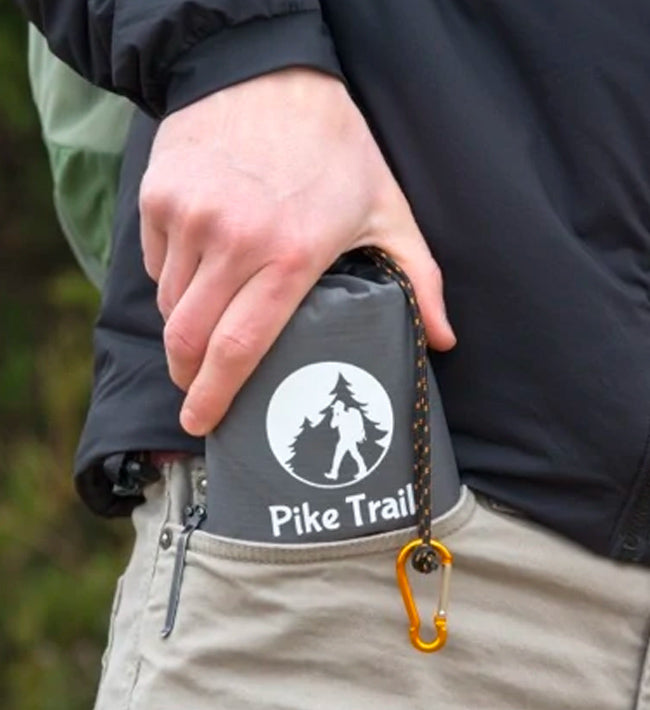
Some gear looks good in the store. It catches the light just right. The zippers glide smoothly. The fabric feels like it was engineered on another planet. Then you take it outside. One morning wading through a dew-soaked Missouri field. One afternoon on a ridgeline where the trail disappears into loose shale. One river crossing where the current is higher than expected and the footing is exactly as unreliable as it looks. That's the test that matters — and it has nothing to do with how a product looks under fluorescent light. At Pike Trail, we build gear for the test, not the shelf. We're based in Columbia, Missouri, and everything we make is handcrafted by skilled seamstress artisans right here in our community. Our mission isn't complicated: bulletproof outdoor gear that earns its place in your pack, every single time you head out. Here's what that looks like in the wild. Snake Country, Dense Brush, and the Case for Real Leg Protection The Ozarks don't mess around in late spring. Cottonmouths work the rocky creek banks. Timber rattlers favor the same south-facing limestone ledges that make for the best views. And if you're hunting mushrooms, foraging ramps, or tracking whitetail sign through the thick stuff, you're on their turf. We hear from a lot of Pike Trail customers who bought our snake gaiters after a close call. The honest ones admit they spent years in the field without any leg protection, figuring they were alert enough to make up the difference. They weren't wrong — most of the time. But "most of the time" has a way of not being enough. Our snake gaiters wrap your lower leg in reinforced fabric engineered to absorb and deflect a strike before it reaches skin. They're adjustable, lightweight, and they go on fast — which matters when you're gearing up in the dark at the trailhead. They've been through swampy bottomland in Mississippi, prickly ash thickets in Missouri, and palmetto scrub in Florida. They come back the same way they went in: intact. One customer put it plainly in a review: the gaiters didn't just protect his legs — they stopped him from second-guessing every step in thick cover. That's not a small thing. When you're not managing fear, you're hunting better, moving quieter, and staying out longer. "These are the easiest gaiters to put on and best protection I've experienced. Lightweight, waterproof, and easy to pack. Quality stainless fasteners, heavy-duty velcro — highly recommend." — Verified Pike Trail Customer Trekking Poles Built for the Miles That Break Cheaper Poles Carbon fiber is an interesting material. It's light, it's stiff, and in the right application it makes gear feel like it was made for exactly this purpose. In the wrong application — the wrong wall thickness, the wrong layup, the wrong collar design — it becomes expensive confetti on a rocky descent. Pike Trail's carbon fiber trekking poles are 7.15 ounces each. That's not a rounding error — that's genuinely light. They extend from 24 to 54 inches, lock where you set them, and don't creep down under load, which matters more than most people realize until they've had a pole collapse mid-step on a slippery root. We designed these for the long days: the backpacking trips where your feet are talking to you by mile 12, the late-season elk hunts where you're covering vertical miles before first light, the PCT section hikes where your pack is heavy and your knees are keeping track. They've proven themselves in those conditions. They come home with scrapes on the tips and mud in the baskets. The poles themselves are fine. Use them for stream crossings. For setting up a tarp shelter when the weather turns. For reaching that tricky hold on a scramble. They're not decorative — they're tools. A Blanket That Fits in Your Pocket. Seriously. We get that this sounds like marketing copy. "Pocket blanket" sounds like the kind of thing you'd find in an airport gift shop next to the neck pillows. It isn't. The Pike Trail Pocket Blanket packs down smaller than a water bottle and opens up large enough to actually sit on, shelter under, or throw over a muddy tailgate. It's waterproof on the bottom, comfortable on top, and it dries in minutes. We've seen it used as a ground tarp on a river sandbar lunch break. As a wind barrier rigged to trekking poles on an exposed ridgeline. As a quick cover for a truck bed full of harvested chanterelles on the way home from a morning forage. As a festival groundsheet for three people and their gear at an outdoor concert. The best gear adapts to the moment. The pocket blanket is one of the most-used things in the pack of people who own it, and it consistently surprises people who expected it to feel like a gimmick. Made in Columbia, Missouri. By Hand. On Purpose. This is the part of the story that matters to us more than anything else we make. A lot of outdoor gear is made in the same factories, with the same materials, by the same overseas contractors — the only difference is the logo on the label. We understand why. The economics are brutal and the pressure to compete on price is real. We went a different direction. Our trail gaiters are cut and sewn by skilled artisans here in Columbia, Missouri. These are experienced craftspeople who take genuine pride in the work — you can see it in the stitching, feel it in the fasteners, notice it in the little details that most manufacturers skip because no one will check. Building here costs more. Lead times are longer. We can't scale as fast as a company running production overseas. We've accepted all of that. What we get in return: gear that is genuinely built right. A community that's stronger because skilled manufacturing jobs exist here. A supply chain we can actually see and trust. And a story we can tell honestly — because it's true. When you buy Pike Trail gear, you're not just buying a product. You're backing a different way of doing this. What "Bulletproof" Actually Means We use that word deliberately. Bulletproof doesn't mean indestructible — it means it holds up when everything is going wrong at once. When it's raining sideways and you've been out for eight hours and the trail is a mess and you just need your gear to keep doing its job. That's the standard we build to. Not the showroom. Not the Instagram photo. The eighth hour. The unexpected river crossing. The predawn hike in when you can't see your feet. Our gear is built by people who care about it, tested by people who actually use it, and designed to be the last thing you have to think about when the conditions get interesting. That's the whole point. Ready to gear up? If you're heading into the field this season — whether that's hunting, hiking, foraging, or just spending serious time outside — start with gear that's been through it. • Shop Pike Trail Snake Gaiters → piketrail.com/gaiters • Shop Carbon Fiber Trekking Poles → piketrail.com/trekking-poles • Shop the Full Pike Trail Collection → piketrail.com Questions? We're in Columbia, Missouri. Real people, real answers. Reach us anytime at piketrail.com.
Learn more