



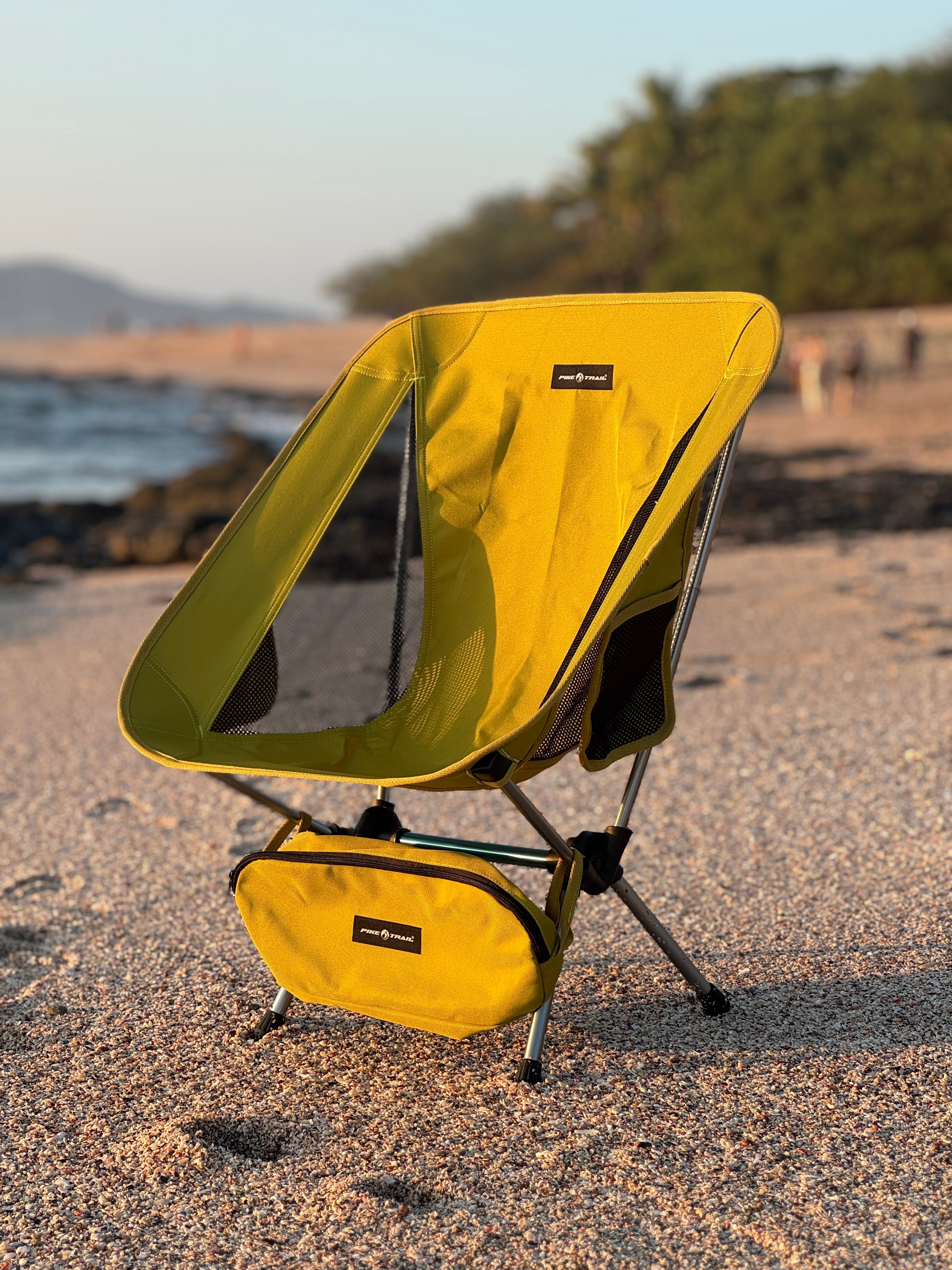
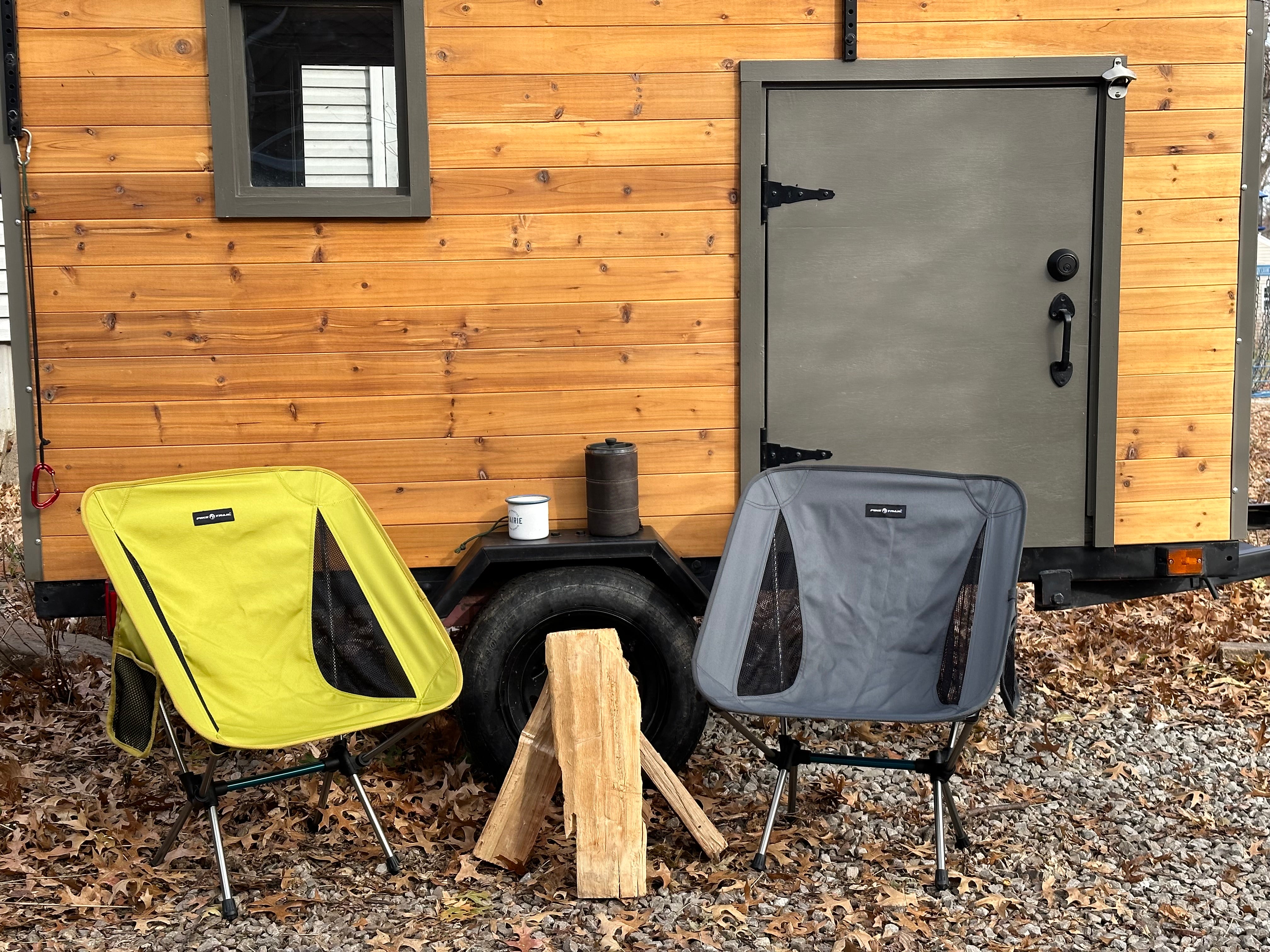
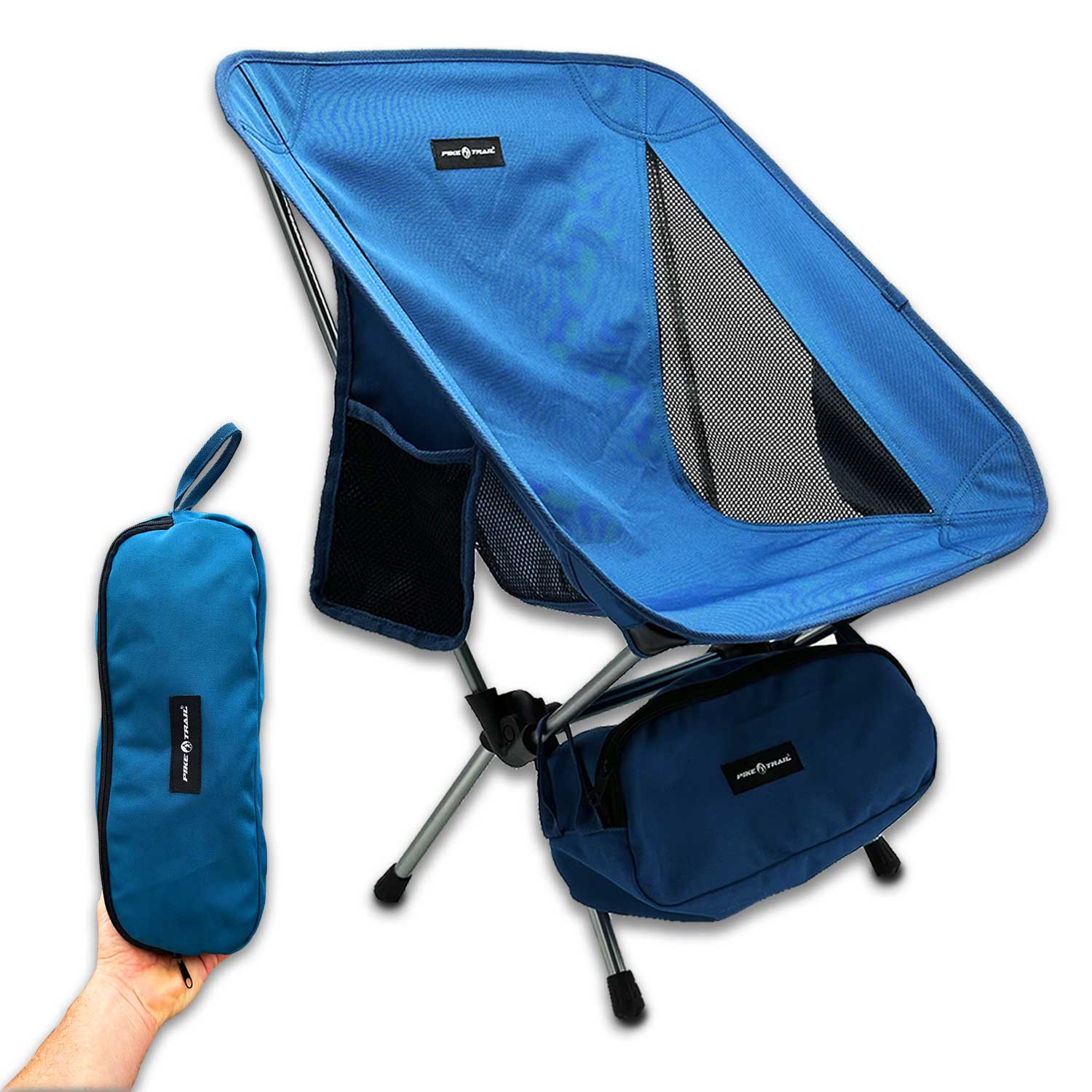
Pike Trail Ultralight Compact Outdoor Camping Tailgate Festival Beach Chair
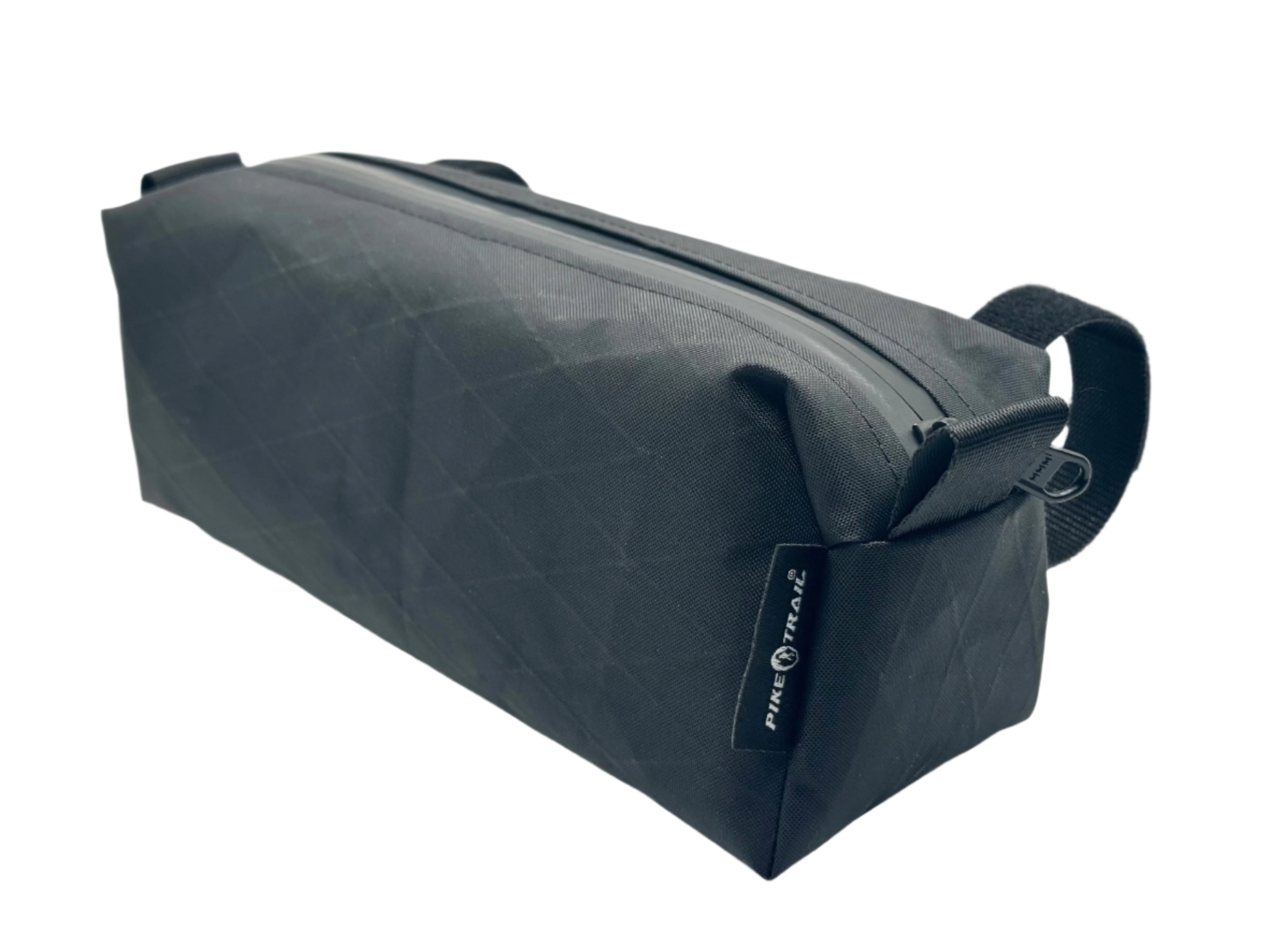
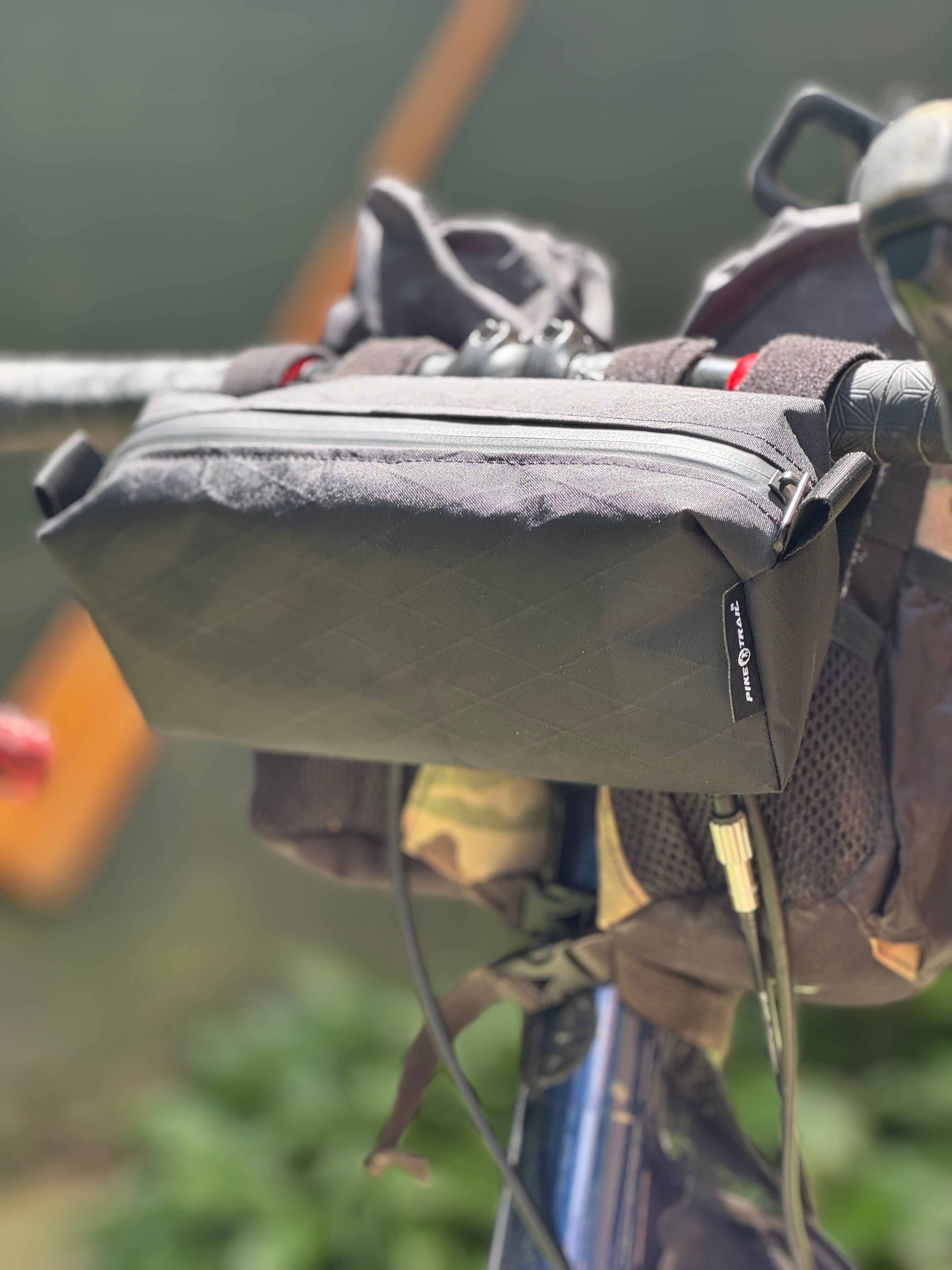
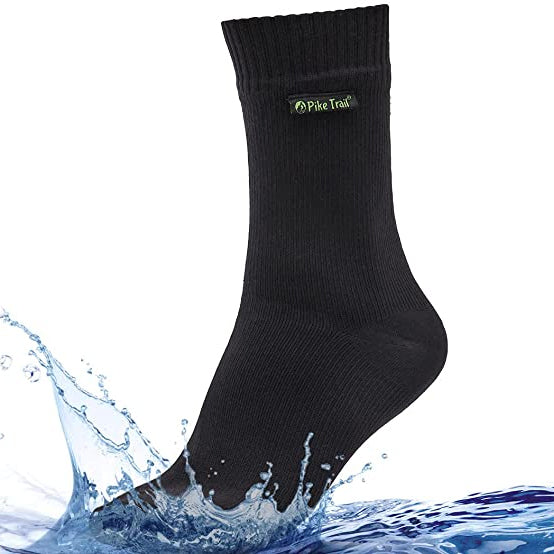
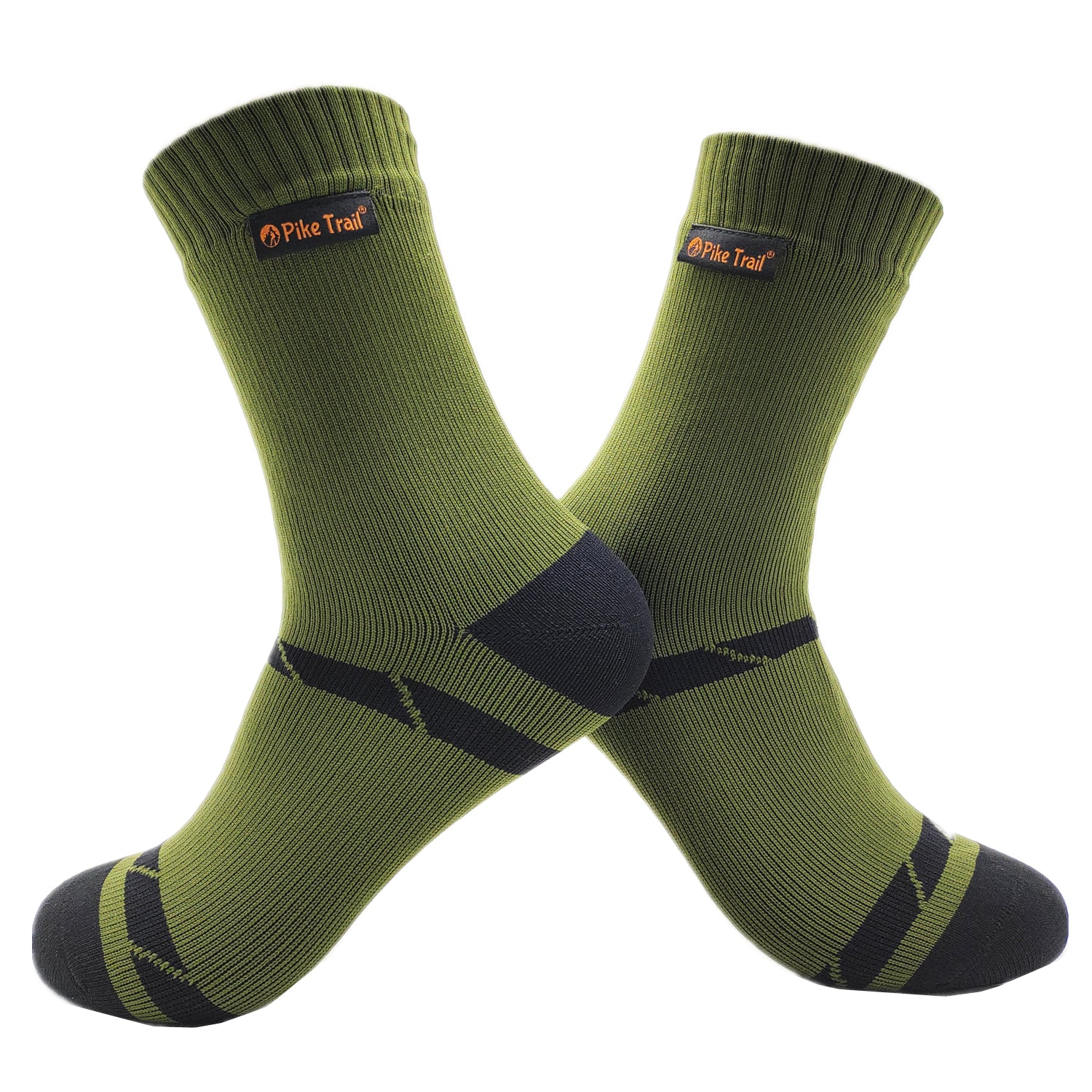
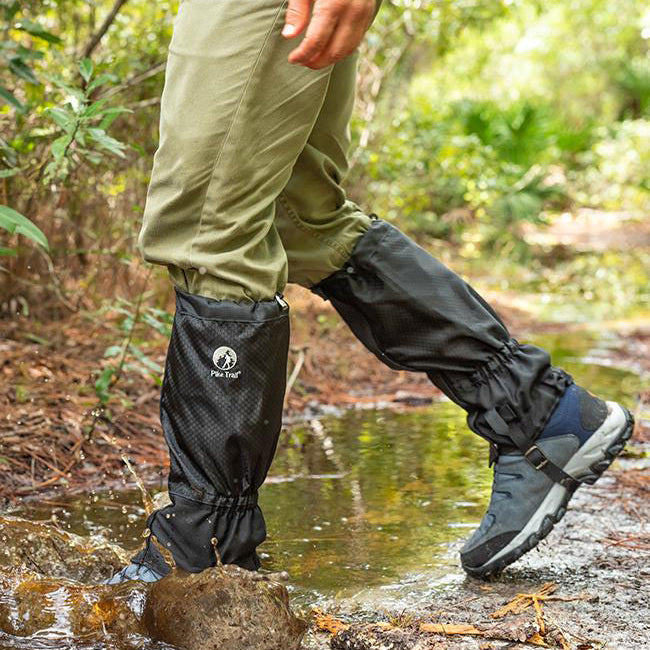
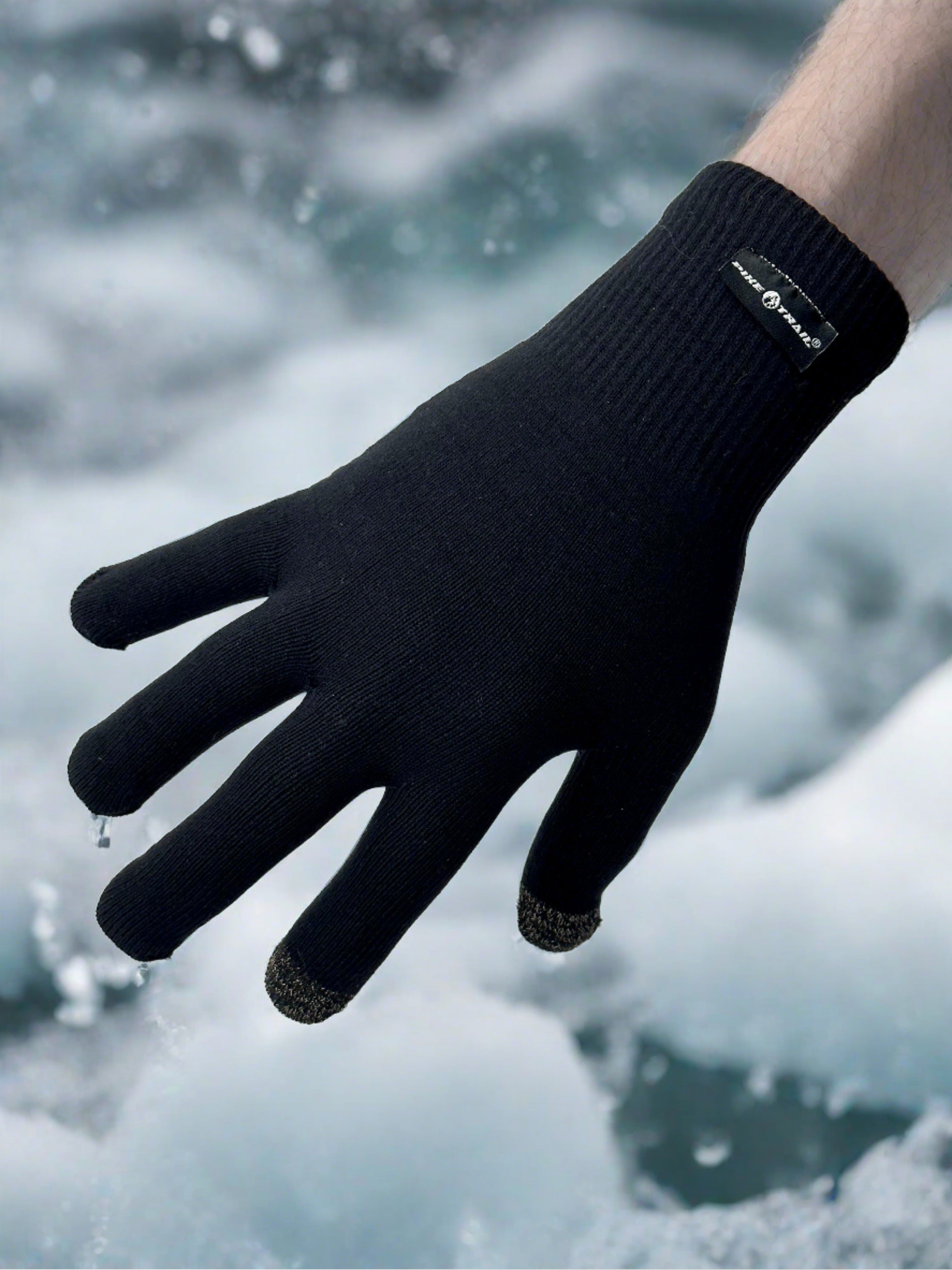
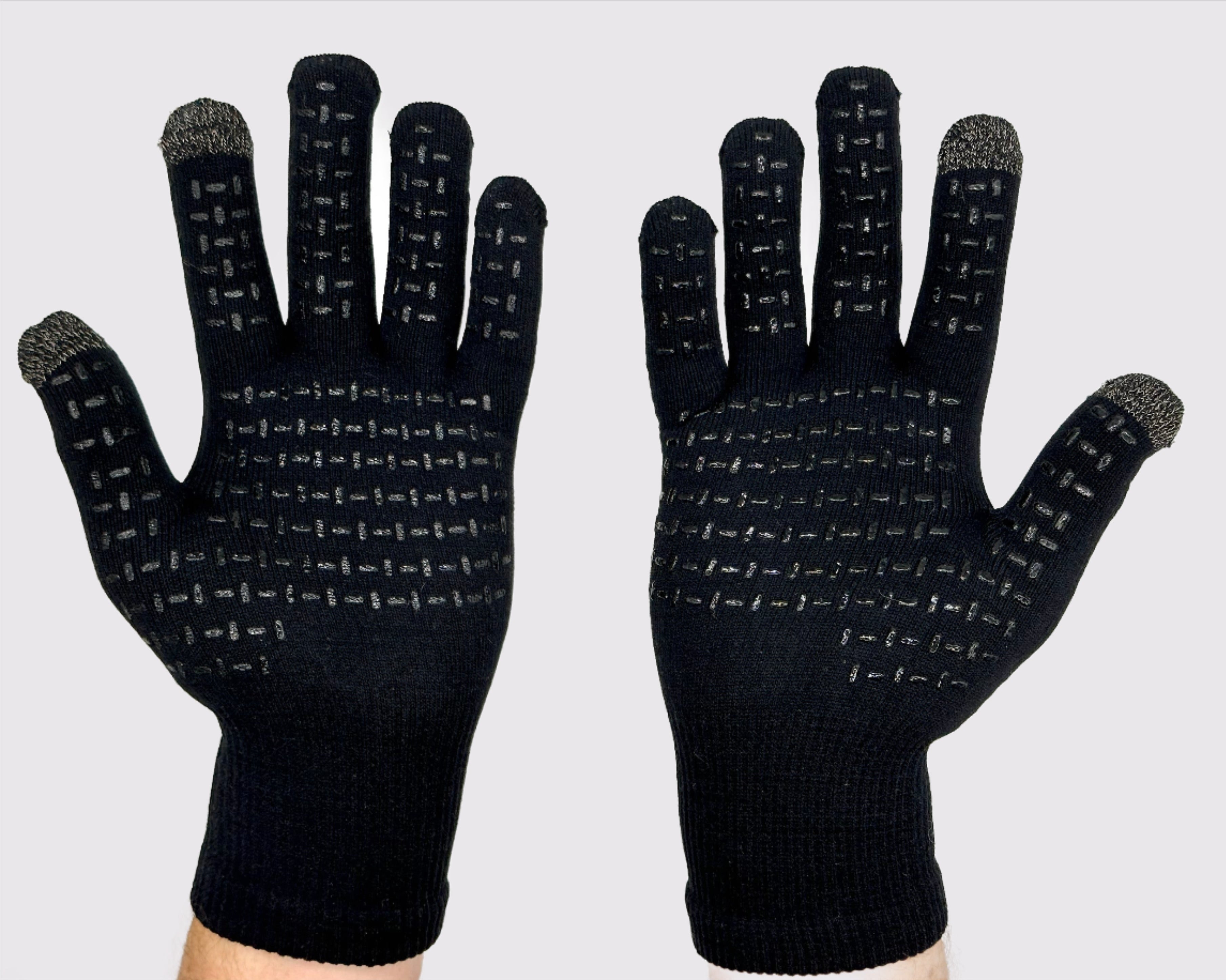
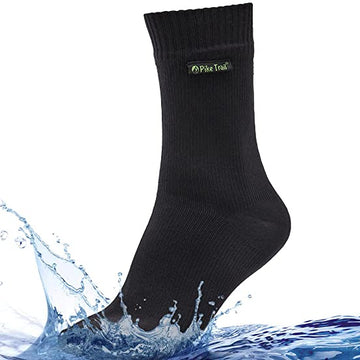
Pike Trail Water Resistance Seamless Gloves
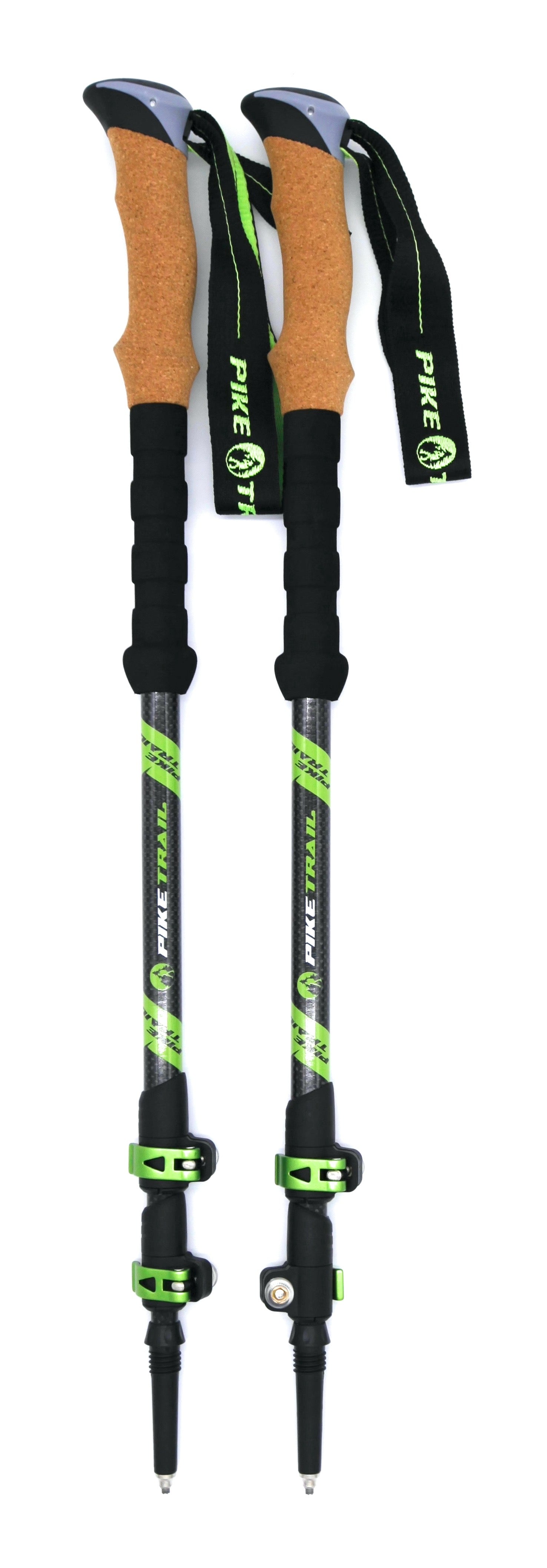
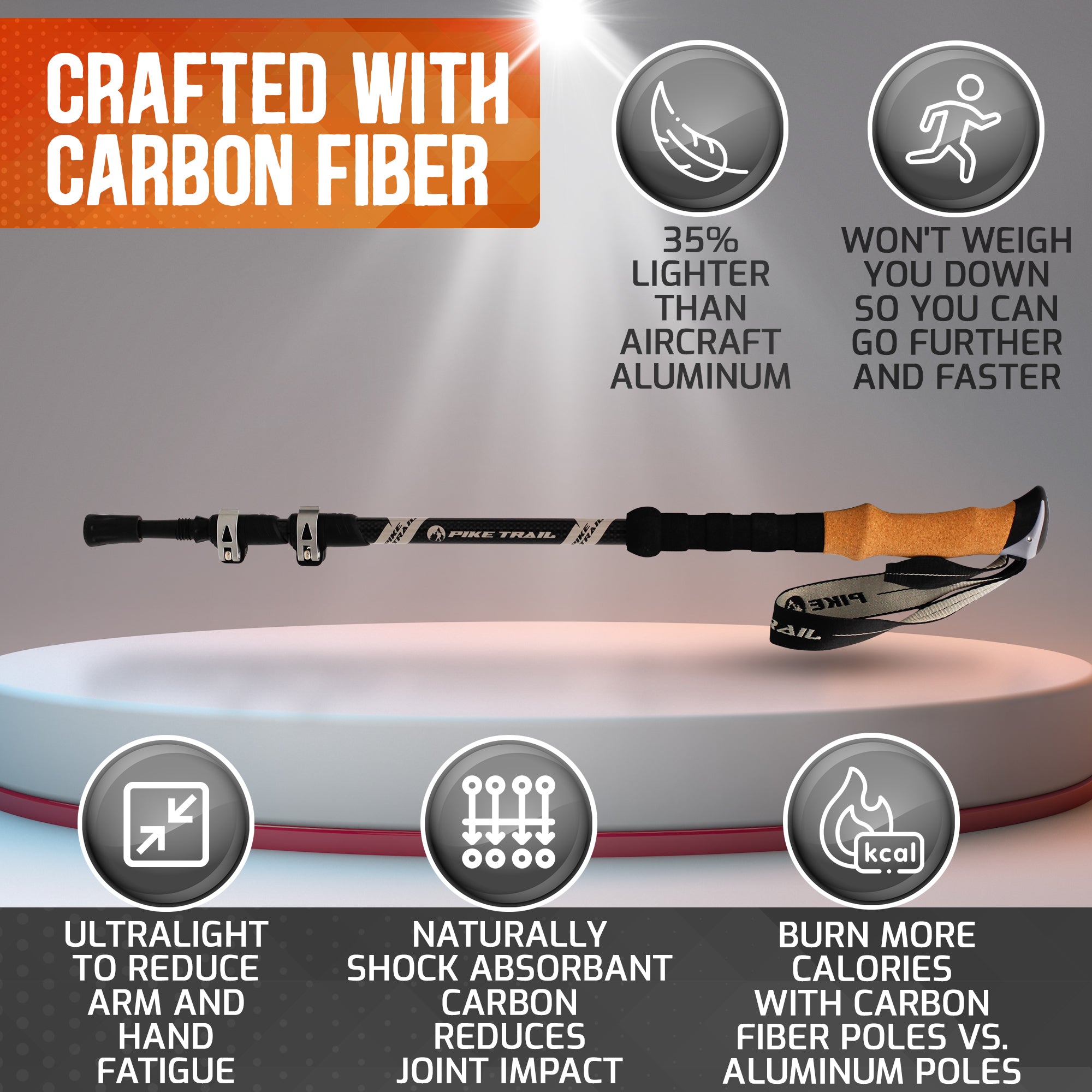
Pike Trail Carbon Fiber Trekking Poles – Lightweight, Adjustable Hiking Poles for Every Adventure


Extra Thick and Wear Resisting Rubber Tips for Trekking Poles, Hiking Sticks, Hiking Poles and Nordic Walking Poles
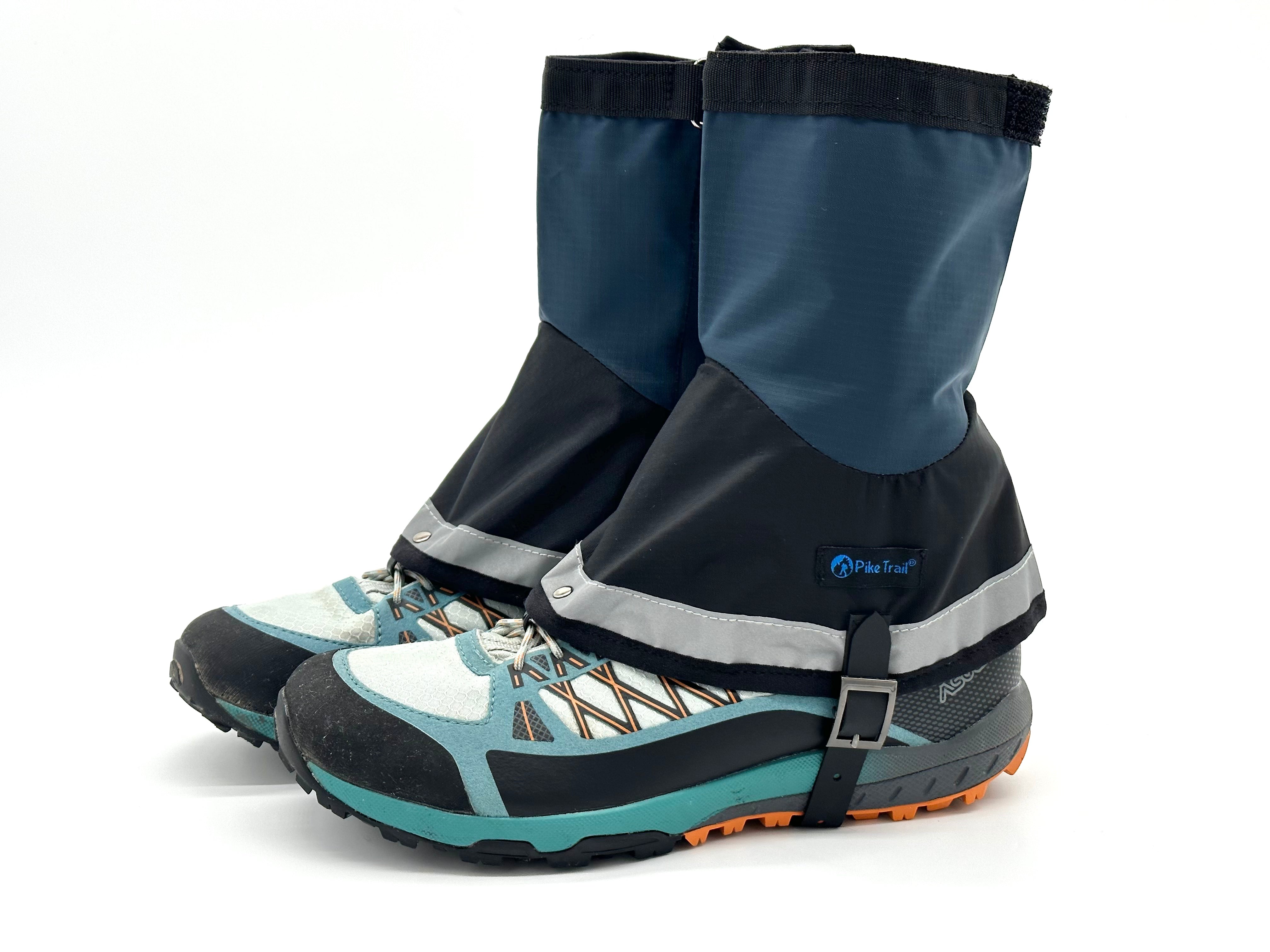
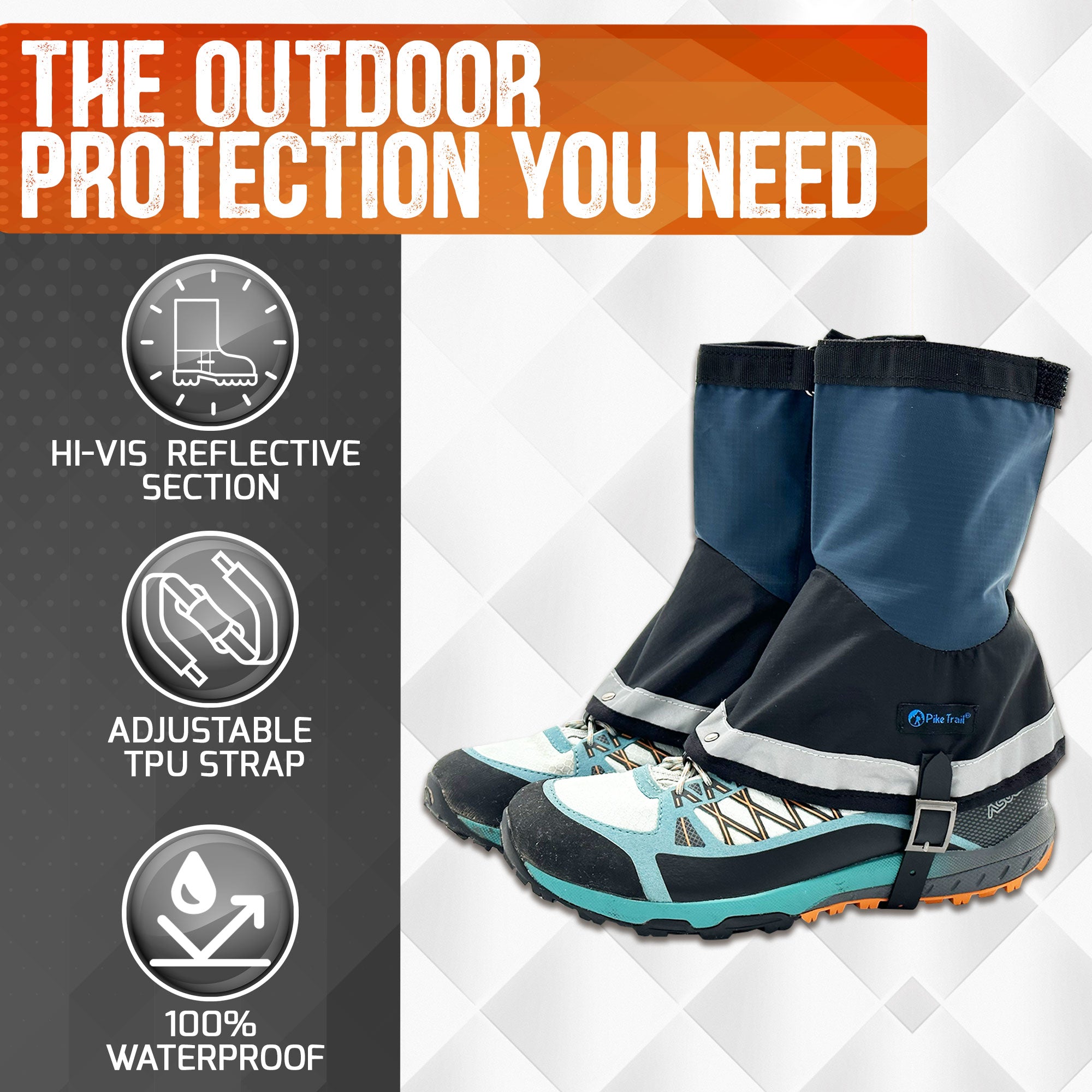
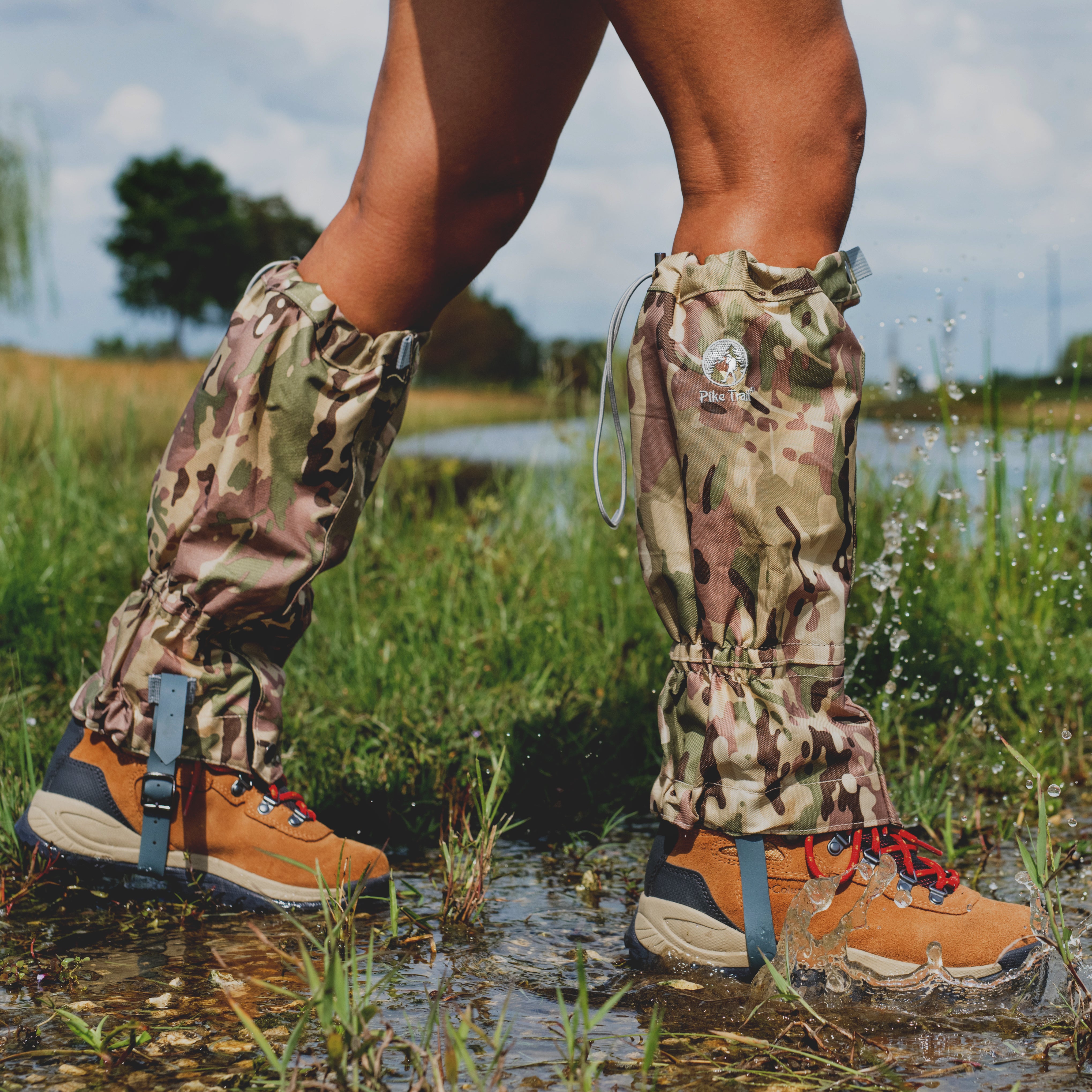
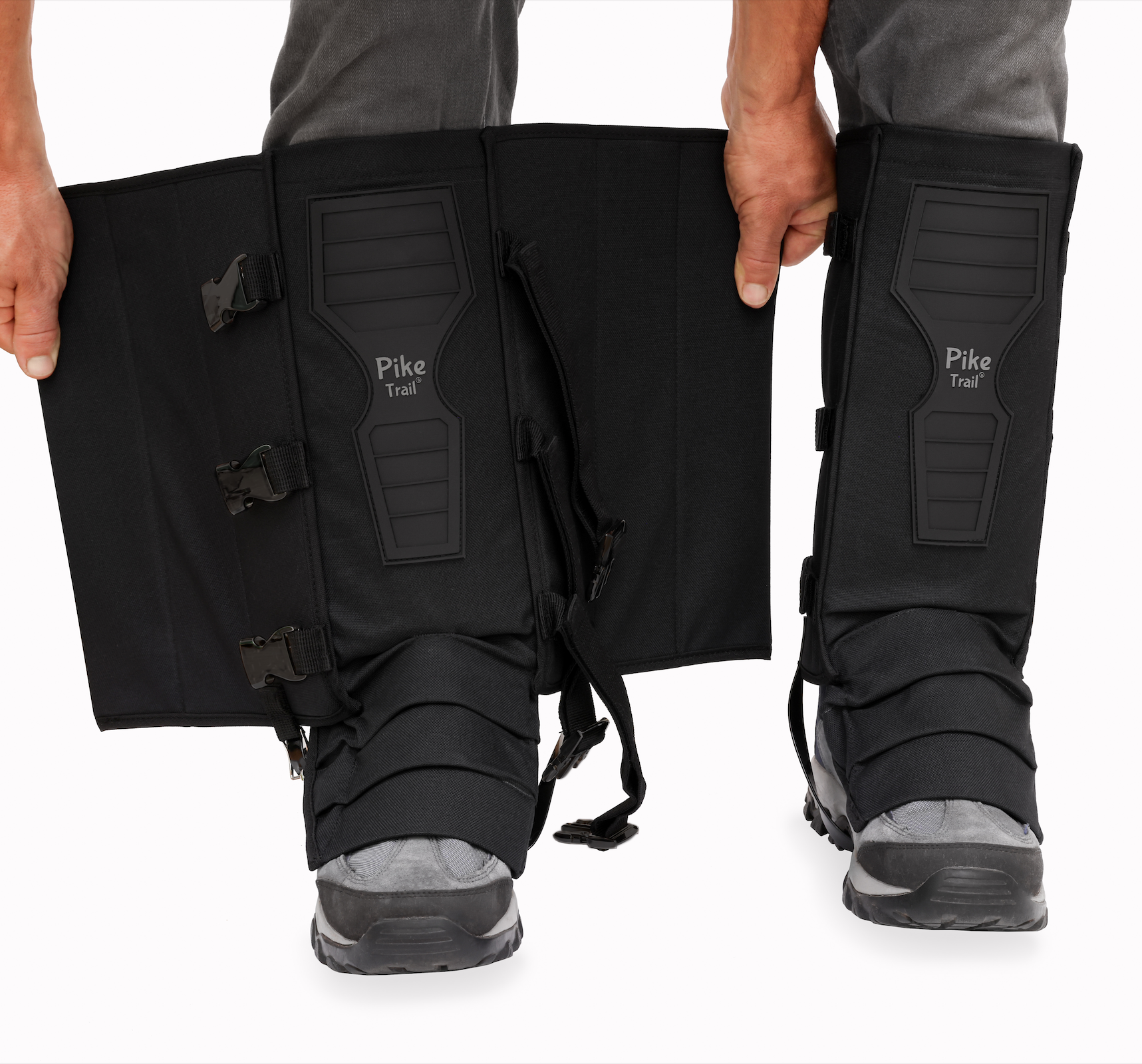
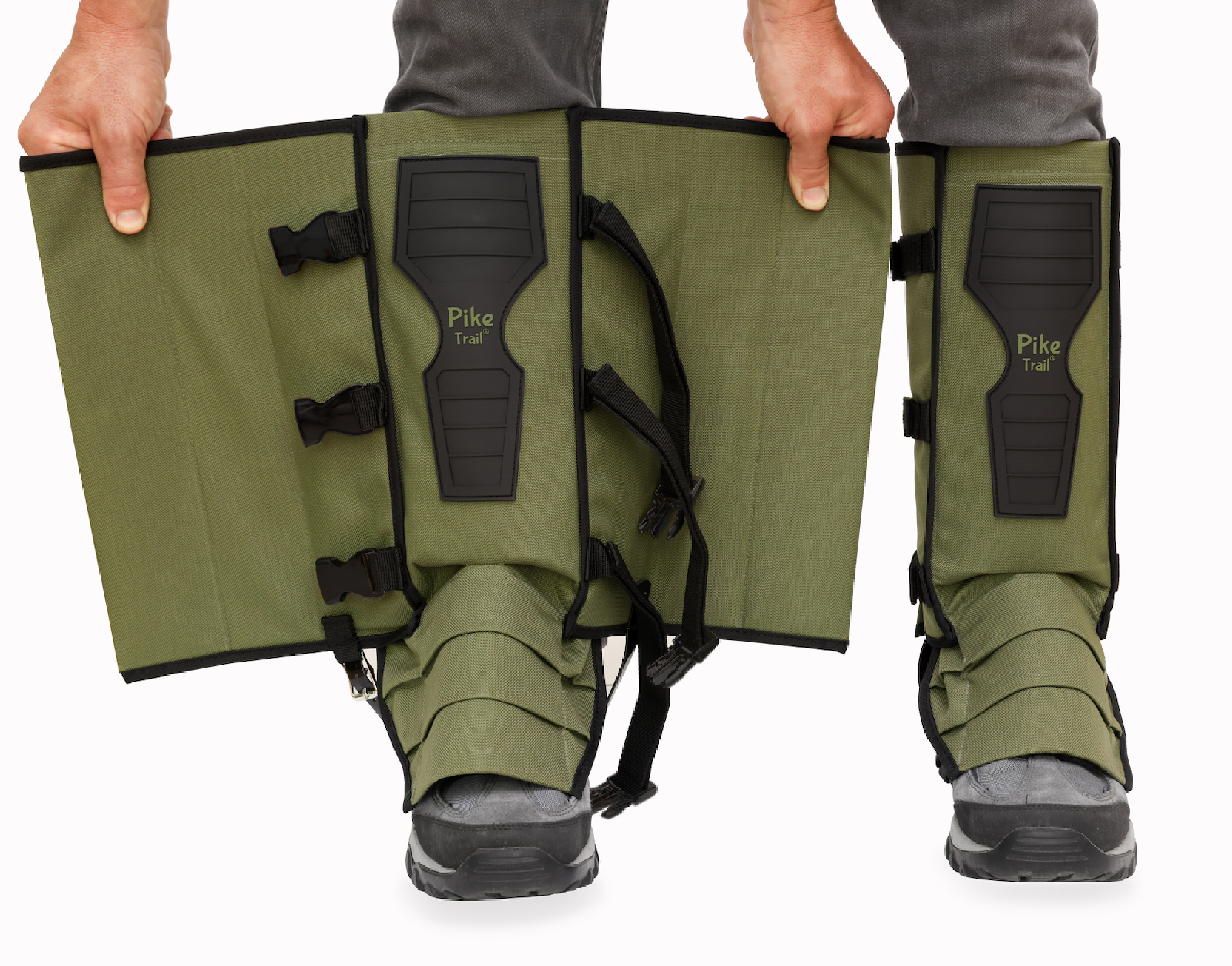
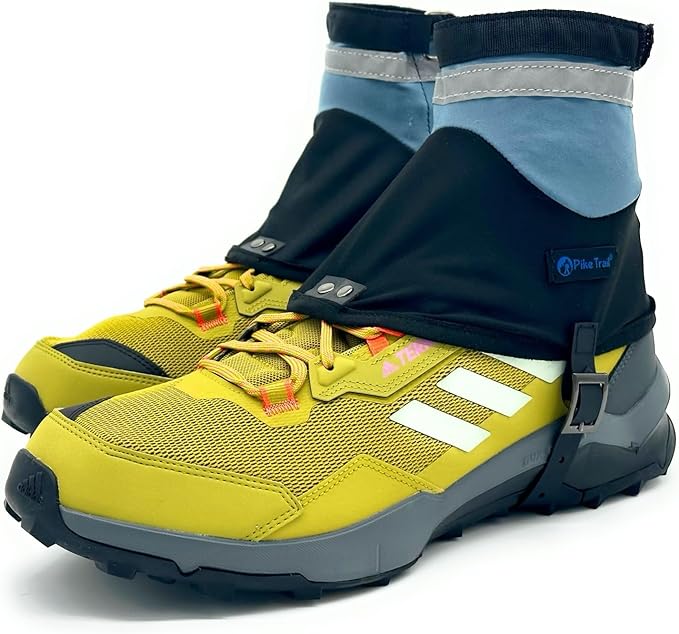
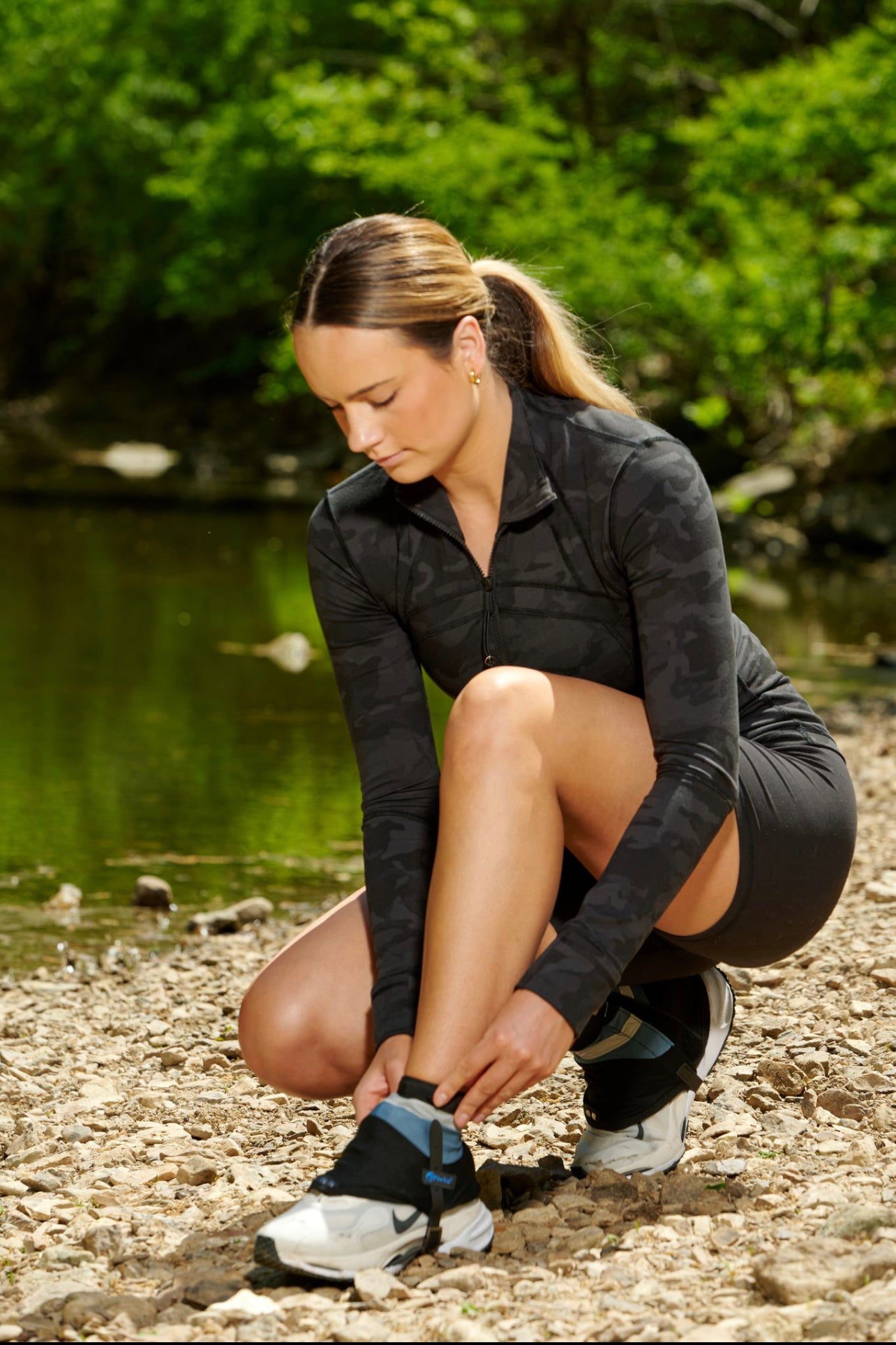
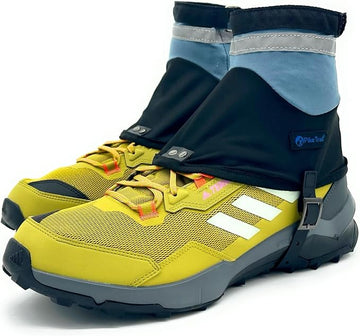
Pike Trail Mid Length Gaiters Small/Medium Adjustable Fit
Our Mission
To create bulletproof handcrafted outdoor gear responsibly. Bringing back USA manufacturing jobs by employing seamstress artisans in our local community of Columbia, MO.
As Featured In









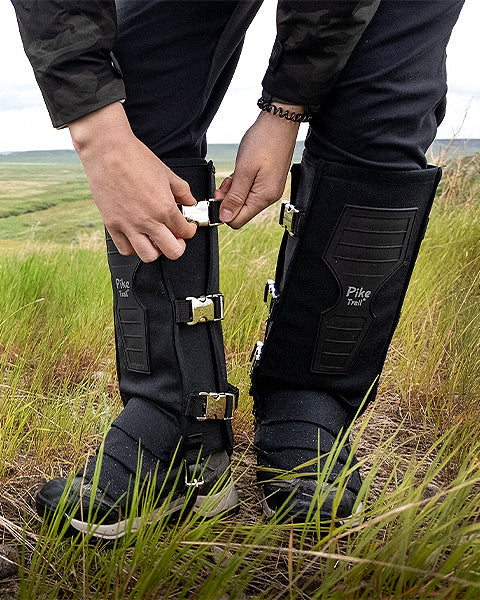
Don't Just Take Our Word For It

Stephanie Lindhjem
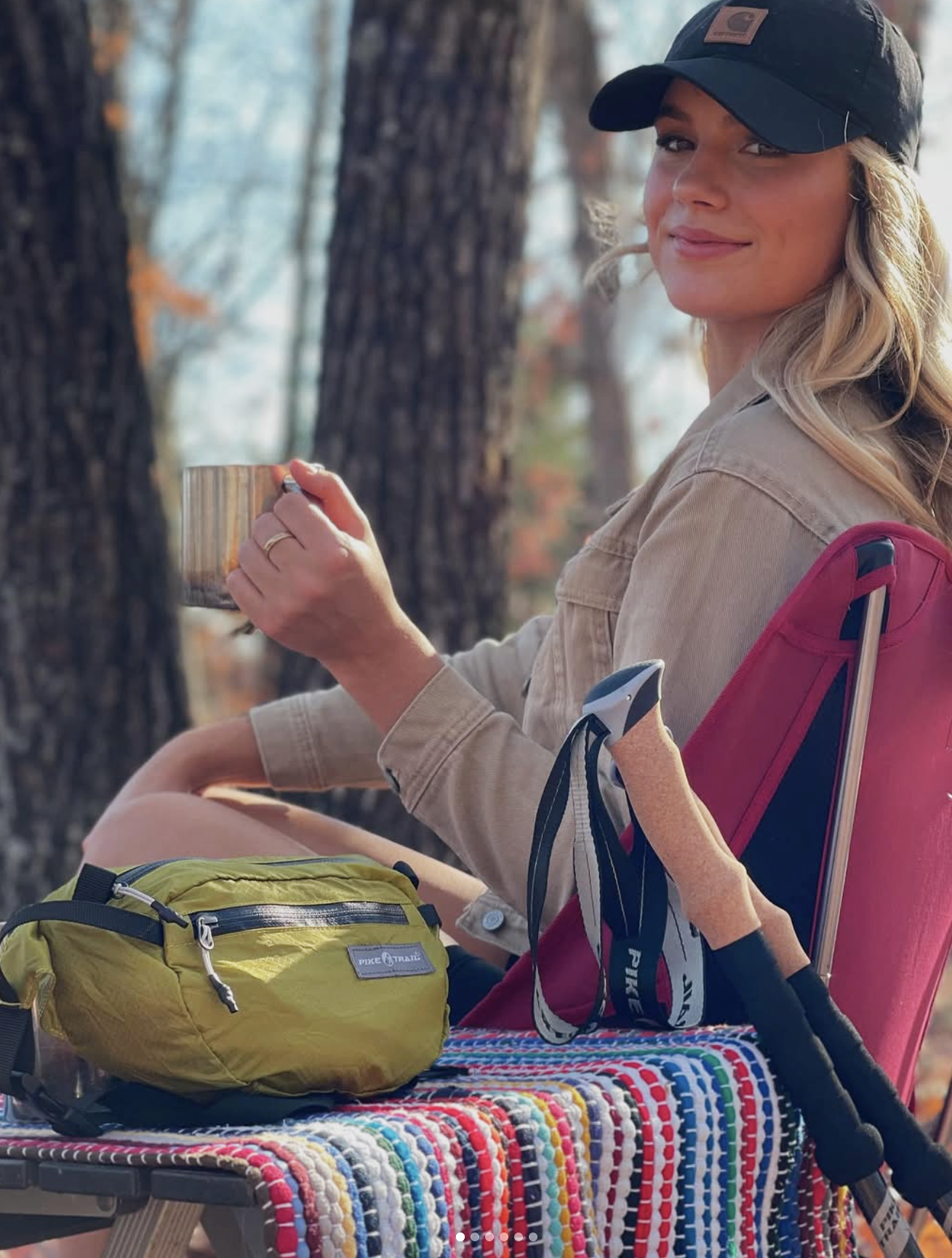
Perfect for traveling. I purchased this chair to take on a beach vacation. I needed it to fit into a backpack, and this chair does that perfectly. Easy to set up and take apart, comfortable, and sturdy.
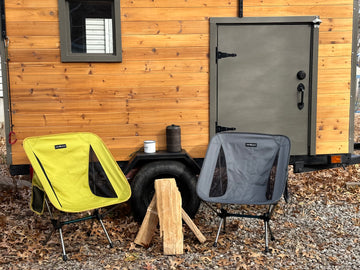

Mike
They Work as Advertised! A friend lent these to me for a trip I took through Death Valley. Unfortunately as I was jogging up the trail, a rattler was just behind a rock where I couldn't see it. It lunged as I came upon it, bit into the gaiter and its fangs got stuck. As it was squirming, I pulled out my knife that I always have holstered on my thigh pack. I grabbed it by the tail and cut off it's head. Crazy experience. So glad I had these!
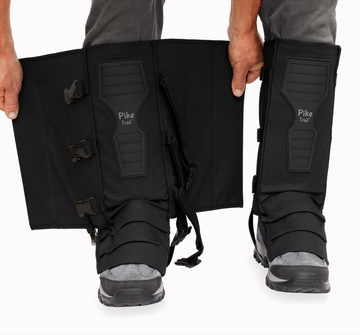

Peter Stoll
Amazing gaiters with unique design. These are the easiest gaiters to put on and best protection I have experienced. Lightweight, waterproof and easy to pack with you. Quality stainless fasteners, heavy duty velcro to secure leg wrap and lightweight. highly recommend!!
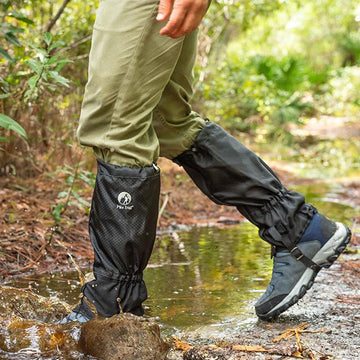

Verified Amazon Customer
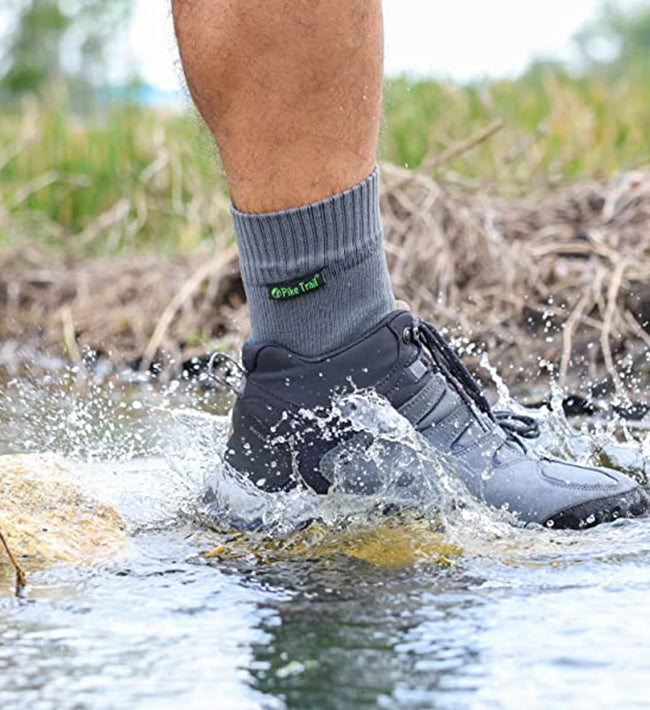
They worked in a downpour after my real socks got soaked. I took these along on a trip bc my barefoot shoes aren't waterproof at all. Sure enough, I got caught in a downpour--my socks soaked--I swapped to these and they kept my feet dry the rest of the day. Well worth the price to have dry feet!

Chrissi Deutsch
I got these for some Fl hiking 🥾. I’ve been thinking about getting a pair when I saw these advertised on FB. [I] got them...[and] super pleased with the result. Easy to put on, stayed in place & kept my shoes sand free. Really like that they are easy to take on & off because we also have mud 😅

Verified Amazon Customer
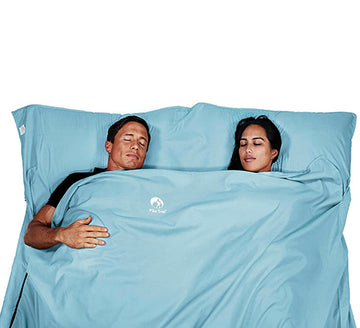
Good quality. Nicely made double sheet for sleeping bag. However, I was so impressed with the quality, I actually bought a second set for my full size bed at home. These sheets are well sown, using quality material and zippers.
Pike Trail Ultralight Compact Outdoor Camping Tailgate Festival Beach Chair
Pike Trail Carbon Fiber Trekking Poles – Lightweight, Adjustable Hiking Poles for Every Adventure
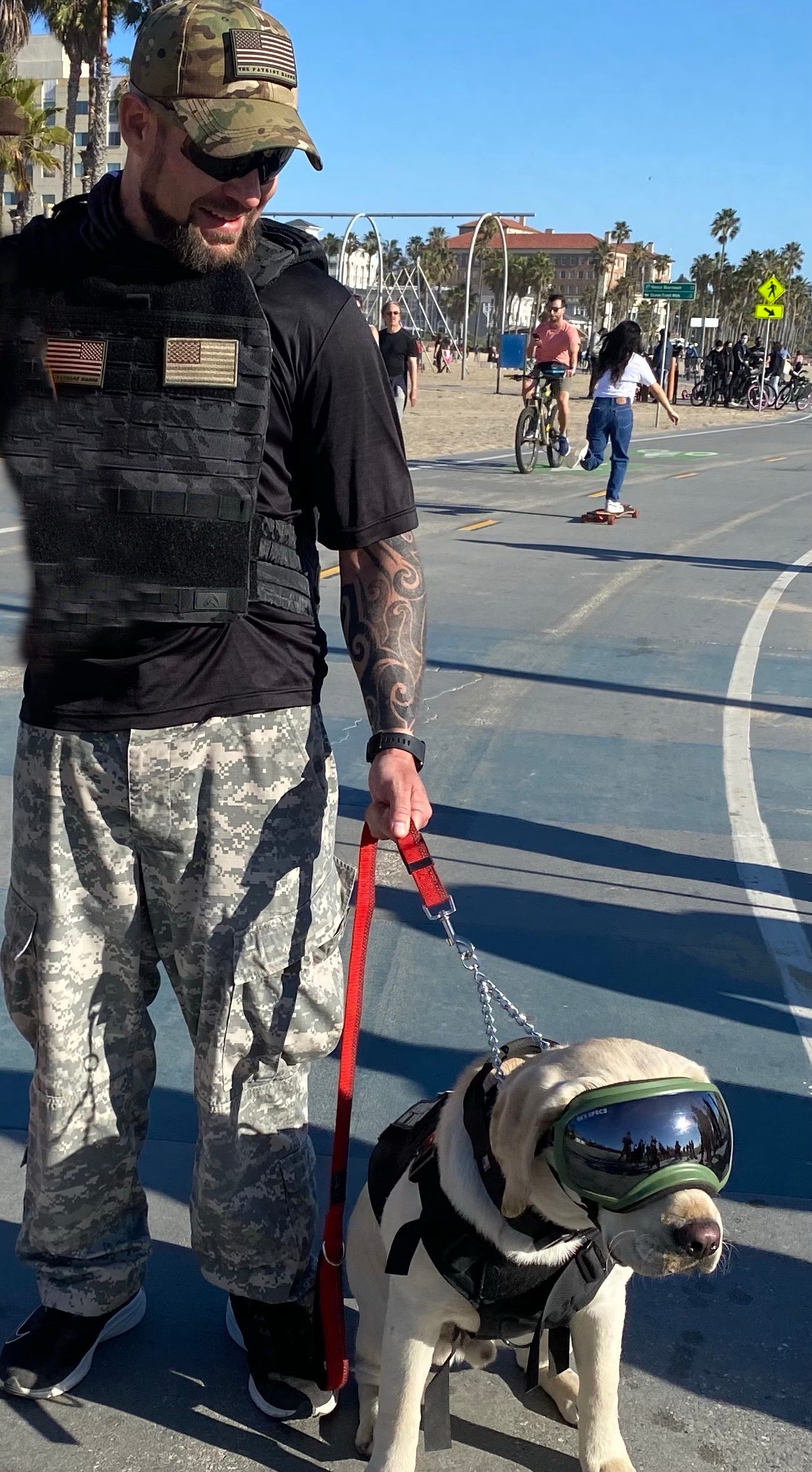
Working Dogs for Warriors
Let's be real for a sec.. shall we? We all love the outdoors and all the beautiful places that we have to explore in this fine country of ours called America. However, NONE of this would be possible without the service and sacrifice of our active military, returning veterans and first responders. Please join us in helping to give back to these warriors and defenders of the mainland who have returned from the battle field while suffering from the effects of PTSD. We have partnered with Working Dogs For Warriors to match our returning heros with a trained, loyal, canine companion to help ease their sufferings as they struggle to adapt to their new life. Together we can ease the pain of PTSD one warrior at a time. Donate or Learn More by clicking on the button below.
Journal

Coast to Coast at 66: Dan Cronin's 3,800-Mile Ride Home
The Long Way Home: At 66, Dan Cronin Is Chasing the Freedom He Found in 1980 In the early fall of 1980, a twenty-year-old college kid from Foxboro, Massachusetts pointed his bike south and rode all the way to Orlando, Florida. He'd just finished his sophomore year and wasn't sure what he wanted to do next, so he and his best friend did what made sense at the time: they pedaled until the questions got quieter. He didn't know it yet, but that ride would stay with him for the next four and a half decades as a single, stubborn feeling — pure joy, total freedom. This summer, Dan Cronin is going looking for that feeling again. Only this time the ride is roughly 3,800 miles long. We could not be prouder to introduce Dan as the newest member of the Pike Trail family. One bike, one rider, one continent On Monday, June 9th, Dan rolled out from a bike shop in Eugene, Oregon to begin a solo, fully self-supported journey across the United States. He's following the TransAmerica Trail, the legendary route mapped by Adventure Cycling out of Missoula, Montana — the gold standard for touring cyclists the world over. Oregon. Idaho. Montana. Wyoming, with a stretch through Yellowstone. The Continental Divide through Colorado. The trail officially ends in Yorktown, Virginia, but Dan lives in southeastern North Carolina, so he's plotting his own ad-libbed finale south through his home state. Call it the long way home. He expects the trip to take about 60 days. There's no mileage goal, no support van, no pressure. "The decisions of how the trip goes are all on me," he told us. If he wants to take a day in a hotel, he'll take a day in a hotel. That's the whole point. A lifelong cyclist, not a late bloomer Make no mistake — this isn't a bucket-list whim. Dan has been a cyclist his entire life. As a kid in the early '70s he said goodbye to his Sting-Ray and saved up for a real bike. His father, who could see this was more than a phase, helped him buy a French Motobecane Mirage 10-speed. It cost $140. He never looked back. Since 2012 alone, Dan has logged more than 27,000 miles. His lifetime total sits somewhere around 50,000 — "but who's counting," as he puts it. To get ready for this ride he's put in 2,000 miles of aggressive training since January. At 66, retired from a career in marketing communications, with his kids grown and the road wide open, he finally has the one thing the twenty-year-old version of him didn't: the freedom from money and time to explore this country entirely on his own terms. That combination — a lifetime of preparation meeting a moment of total freedom — is exactly the kind of adventure we built Pike Trail to support. The gear that earns its place When you're carrying everything you own on two wheels for two months, every ounce and every cubic inch has to justify itself. Dan's packing list is a masterclass in disciplined minimalism: an ultralight tent, a synthetic bag that packs small, an inflatable sleeping pad, a Jetboil, waterproof panniers, and a meticulous kit of tools, patches, and spares laid out across a hotel bed like a surgeon's tray. And somewhere in that carefully curated load, there's a Pike Trail Ultralight Compact Chair in Chartreuse. For a self-supported rider counting grams, a camp chair is a luxury. Dan knew that, and chose it anyway — because comfort at the end of a 60-mile day isn't nothing when you're 66 and doing this for joy. Here's what he wrote us the afternoon it arrived: "Very impressed with the pack size, comfort and light weight. The instructions helped me get it together and it is very comfortable. This is a great value! I will be sure to browse your catalogue to complete my equipment list for my transcontinental self-supported bicycle trip this summer." In his own gear notes he summed it up even more simply: packs small, weighs under three pounds, goes together in seconds, great price-to-value. That's the chair doing exactly what we designed it to do — disappearing into a pannier all day, then showing up the moment you need to sit down and watch the sun go behind the Rockies. We didn't ask Dan to carry our chair across the country. He chose it. That means more to us than any review ever could. Meet Dan at the halfway mark Here's where you come in. Sometime in mid-to-late July, Dan's route will bring him through the middle of the country — and we're hoping to pull him a little off-course and into Columbia, Missouri for a "Halfway There" celebration at our local brewery. The idea is simple: gather the local cycling community, raise a glass, and send Dan off into the second half of his ride with a tailwind of encouragement. If you ride, if you've ever dreamed of a trip like this, or if you just want to shake the hand of a guy chasing a feeling across an entire continent, keep an eye on our social channels. We'll share the date as Dan's progress comes into focus. Why this story matters to us Pike Trail started as a small idea and grew, one customer at a time, into something real. We make gear with local artisan seamstresses and we obsess over the details because we believe the equipment should never be the thing that stops you. The adventure should. Dan Cronin is everything we make this stuff for. He's proof that the road doesn't close at 66 — that the freedom you felt as a kid is still out there, waiting, exactly where you left it. All you have to do is go get it. Ride safe, Dan. We'll have a cold one waiting for you in Missouri. Follow Dan's journey through our social updates all summer long. And if his packing list has you eyeing your own adventure — the catalogue is right this way.
Learn more
The Gear That Comes Home Muddy, Wet, and In One Piece
Some gear looks good in the store. It catches the light just right. The zippers glide smoothly. The fabric feels like it was engineered on another planet. Then you take it outside. One morning wading through a dew-soaked Missouri field. One afternoon on a ridgeline where the trail disappears into loose shale. One river crossing where the current is higher than expected and the footing is exactly as unreliable as it looks. That's the test that matters — and it has nothing to do with how a product looks under fluorescent light. At Pike Trail, we build gear for the test, not the shelf. We're based in Columbia, Missouri, and everything we make is handcrafted by skilled seamstress artisans right here in our community. Our mission isn't complicated: bulletproof outdoor gear that earns its place in your pack, every single time you head out. Here's what that looks like in the wild. Snake Country, Dense Brush, and the Case for Real Leg Protection The Ozarks don't mess around in late spring. Cottonmouths work the rocky creek banks. Timber rattlers favor the same south-facing limestone ledges that make for the best views. And if you're hunting mushrooms, foraging ramps, or tracking whitetail sign through the thick stuff, you're on their turf. We hear from a lot of Pike Trail customers who bought our snake gaiters after a close call. The honest ones admit they spent years in the field without any leg protection, figuring they were alert enough to make up the difference. They weren't wrong — most of the time. But "most of the time" has a way of not being enough. Our snake gaiters wrap your lower leg in reinforced fabric engineered to absorb and deflect a strike before it reaches skin. They're adjustable, lightweight, and they go on fast — which matters when you're gearing up in the dark at the trailhead. They've been through swampy bottomland in Mississippi, prickly ash thickets in Missouri, and palmetto scrub in Florida. They come back the same way they went in: intact. One customer put it plainly in a review: the gaiters didn't just protect his legs — they stopped him from second-guessing every step in thick cover. That's not a small thing. When you're not managing fear, you're hunting better, moving quieter, and staying out longer. "These are the easiest gaiters to put on and best protection I've experienced. Lightweight, waterproof, and easy to pack. Quality stainless fasteners, heavy-duty velcro — highly recommend." — Verified Pike Trail Customer Trekking Poles Built for the Miles That Break Cheaper Poles Carbon fiber is an interesting material. It's light, it's stiff, and in the right application it makes gear feel like it was made for exactly this purpose. In the wrong application — the wrong wall thickness, the wrong layup, the wrong collar design — it becomes expensive confetti on a rocky descent. Pike Trail's carbon fiber trekking poles are 7.15 ounces each. That's not a rounding error — that's genuinely light. They extend from 24 to 54 inches, lock where you set them, and don't creep down under load, which matters more than most people realize until they've had a pole collapse mid-step on a slippery root. We designed these for the long days: the backpacking trips where your feet are talking to you by mile 12, the late-season elk hunts where you're covering vertical miles before first light, the PCT section hikes where your pack is heavy and your knees are keeping track. They've proven themselves in those conditions. They come home with scrapes on the tips and mud in the baskets. The poles themselves are fine. Use them for stream crossings. For setting up a tarp shelter when the weather turns. For reaching that tricky hold on a scramble. They're not decorative — they're tools. A Blanket That Fits in Your Pocket. Seriously. We get that this sounds like marketing copy. "Pocket blanket" sounds like the kind of thing you'd find in an airport gift shop next to the neck pillows. It isn't. The Pike Trail Pocket Blanket packs down smaller than a water bottle and opens up large enough to actually sit on, shelter under, or throw over a muddy tailgate. It's waterproof on the bottom, comfortable on top, and it dries in minutes. We've seen it used as a ground tarp on a river sandbar lunch break. As a wind barrier rigged to trekking poles on an exposed ridgeline. As a quick cover for a truck bed full of harvested chanterelles on the way home from a morning forage. As a festival groundsheet for three people and their gear at an outdoor concert. The best gear adapts to the moment. The pocket blanket is one of the most-used things in the pack of people who own it, and it consistently surprises people who expected it to feel like a gimmick. Made in Columbia, Missouri. By Hand. On Purpose. This is the part of the story that matters to us more than anything else we make. A lot of outdoor gear is made in the same factories, with the same materials, by the same overseas contractors — the only difference is the logo on the label. We understand why. The economics are brutal and the pressure to compete on price is real. We went a different direction. Our trail gaiters are cut and sewn by skilled artisans here in Columbia, Missouri. These are experienced craftspeople who take genuine pride in the work — you can see it in the stitching, feel it in the fasteners, notice it in the little details that most manufacturers skip because no one will check. Building here costs more. Lead times are longer. We can't scale as fast as a company running production overseas. We've accepted all of that. What we get in return: gear that is genuinely built right. A community that's stronger because skilled manufacturing jobs exist here. A supply chain we can actually see and trust. And a story we can tell honestly — because it's true. When you buy Pike Trail gear, you're not just buying a product. You're backing a different way of doing this. What "Bulletproof" Actually Means We use that word deliberately. Bulletproof doesn't mean indestructible — it means it holds up when everything is going wrong at once. When it's raining sideways and you've been out for eight hours and the trail is a mess and you just need your gear to keep doing its job. That's the standard we build to. Not the showroom. Not the Instagram photo. The eighth hour. The unexpected river crossing. The predawn hike in when you can't see your feet. Our gear is built by people who care about it, tested by people who actually use it, and designed to be the last thing you have to think about when the conditions get interesting. That's the whole point. Ready to gear up? If you're heading into the field this season — whether that's hunting, hiking, foraging, or just spending serious time outside — start with gear that's been through it. • Shop Pike Trail Snake Gaiters → piketrail.com/gaiters • Shop Carbon Fiber Trekking Poles → piketrail.com/trekking-poles • Shop the Full Pike Trail Collection → piketrail.com Questions? We're in Columbia, Missouri. Real people, real answers. Reach us anytime at piketrail.com.
Learn more
Spring has sprung and with it comes beauty and snakes
"A friend lent these to me for a trip I took through Death Valley. Unfortunately as I was jogging up the trail, a rattler was just behind a rock where I couldn’t see it. It lunged as I came up on it, bit into the gaiter and it’s fangs got stuck. As it was squirming, I pulled out my knife that I always have holstered on my thigh pack. I grabbed it by the tail and cut off it’s head. Crazy experience. So glad I had these!"
Learn more