The orange army has gone home. The gas station is out of hand warmers. The neighbor's trail cam just caught a buck that looks like he's been eating nothing but acorns and bad decisions since Halloween. Welcome to late season, the quietest, coldest and (if you ask the stubborn among us) best stretch of the Missouri deer calendar.
When the November firearms portion wraps up on Nov. 24, archery season picks right back up on Nov. 25 and runs all the way to Jan. 15. That's seven-plus weeks of frosty mornings, crunchy leaves, and deer that have been pushed, shot at, and educated by every truck door slam in the county. They're not dumb anymore. They're hungry, though, and that's your opening.
Late-season success mostly comes down to two things: finding the food and outlasting the cold. The first one is scouting. The second one? That's mostly about what's happening below your knees.
Why Late Season Deer Hunting Is a Different Animal
Early-season bowhunting is about sweat and mosquitoes. The rut is about chaos. Late season is about patience. Once the breeding settles down, deer shift focus to calories: standing crops, cut corn and bean fields, green food plots, and whatever acorns the squirrels haven't hoarded. Their travel gets more predictable, but their tolerance for mistakes drops to zero.
That makes your walk-in more important than ever. A noisy, sweaty, soggy approach will blow a field edge faster than a sneeze in a ground blind. And a cold, uncomfortable hunter is a fidgety hunter. If you've already been through the November grind (we wrote about gearing up for all-day rut sits), think of late season as the same game played in hard mode with the thermostat turned way down.
Leg Gaiters for Deer Hunting: Frost, Snow and Slop
Here's a late-season truth nobody puts on a hunting show: the first 200 yards of your walk in are usually through the wettest stuff on the property. Frost-heavy CRP grass, a fencerow full of melting snow, a creek bottom that's somehow frozen on top and soup underneath. By the time you climb in, your pant legs are soaked to the knee and your boots are slowly filling like a canoe with a hole in it.
That's the job our Pike Trail Leg Gaiters were built for. The full-length 16" coverage keeps snow, water, mud and briars out of your boots and off your lower legs, and they're made from double-stitched ripstop nylon that shrugs off the multiflora rose patch you swear wasn't there last year. The TPU foot strap with a metal buckle is built for sub-zero conditions, which matters when it's 14 degrees at the truck and the stars are still out.
The real late-season win is the fit. Because the top and bottom adjust separately (three snaps up top, three at the ankle, plus a micro tension adjuster and an extra-wide hook-and-loop closure), they lock on over insulated bibs and chunky pac boots just as well as they do over lighter early-season pants. They fit calves up to 19" and most boot sizes. And the closure is quick on and off even with gloves on, so you're not standing at the base of your tree doing bare-handed surgery in the dark.
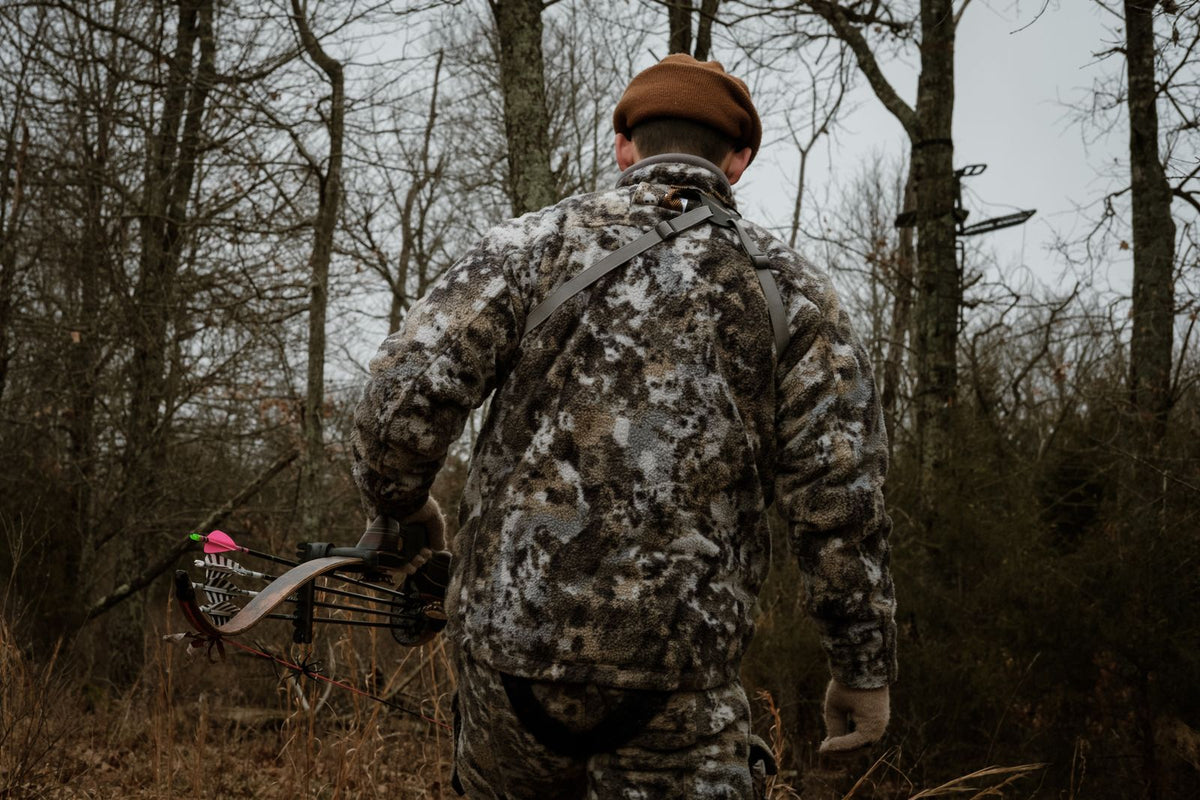
For the woods, the Lost Oak Camo and Defense Force Camo patterns blend right into a winter timber edge, and Olive Drab and Black are solid, no-nonsense options if you'd rather keep it simple.
Pro tip: put your gaiters on at the truck and take them off at the base of your stand or blind. Stuff them in a pocket or pack while you sit, and your pants stay dry for the whole hunt instead of wicking cold water up your legs for three hours.
Waterproof Socks for Hunting: Keep the Cold Sit From Ending Early
Every hunter has a "feet" story. It usually ends with somebody climbing down at 4:15 p.m., twenty minutes before the big one walked out. Cold feet end more late-season hunts than bad wind ever did, and wet feet go cold fast.
Pike Trail Waterproof Breathable Socks use a three-layer construction: a tough nylon outer, a waterproof and breathable membrane in the middle, and a Coolmax inner layer that pulls moisture away from your skin. That last part is huge in winter. The sweaty uphill walk to your stand is just as much of a problem as the puddle you stepped in, and the sock's job is to keep your feet dry from both directions. They're waterproof from the toe to the bottom of the cuff, built with a seamless toe and cushioned heel to help prevent blisters and chafing, and designed with warmth retention in mind.
A couple of honest notes from the field:
- Mind your boot fit. These socks are thicker than average, so try them with your actual hunting boots before opening morning. A boot that's crammed too tight squeezes your feet and tends to make them colder, not warmer.
- Pair them with gaiters. Waterproof socks are your backup plan. Gaiters keep the water from getting into your boot in the first place. Together, they're the closest thing to a warm-feet guarantee you're going to find in a December swamp.
- Pack a spare pair. A dry pair in a zip bag weighs nothing and feels like a luxury spa at 7 p.m.
Carbon Fiber Trekking Poles for Icy Late-Season Walk-Ins
We know, we know. "Trekking poles? I'm a deer hunter, not a backpacker." Hear us out. Late season means frozen ruts in the field road, icy creek banks, snow-covered logs and steep ridges with a fresh glaze on the leaves. Walking in the dark with a bow in one hand and a pack on your back is a pretty good recipe for an unplanned slide down a hillside.
A single Pike Trail Carbon Fiber Trekking Pole gives you a third point of contact for that sketchy stuff. They're just 7.4 oz each, adjust from 24" to 54", and collapse down small enough to strap to your pack once you're at the stand. The natural cork grips are a lot friendlier in cold hands than bare metal, and every set comes with snow baskets and mud baskets, so the tip doesn't punch straight through a crusty snowbank or disappear into a muddy field edge.
Bonus: it's a steadying hand on the long, happy haul back to the truck with a deer in tow. Forest Green blends into the woods, and Camp Fire is easy to spot when you set it down in the leaves at last light.
Ground Sits on the Food Plot Edge
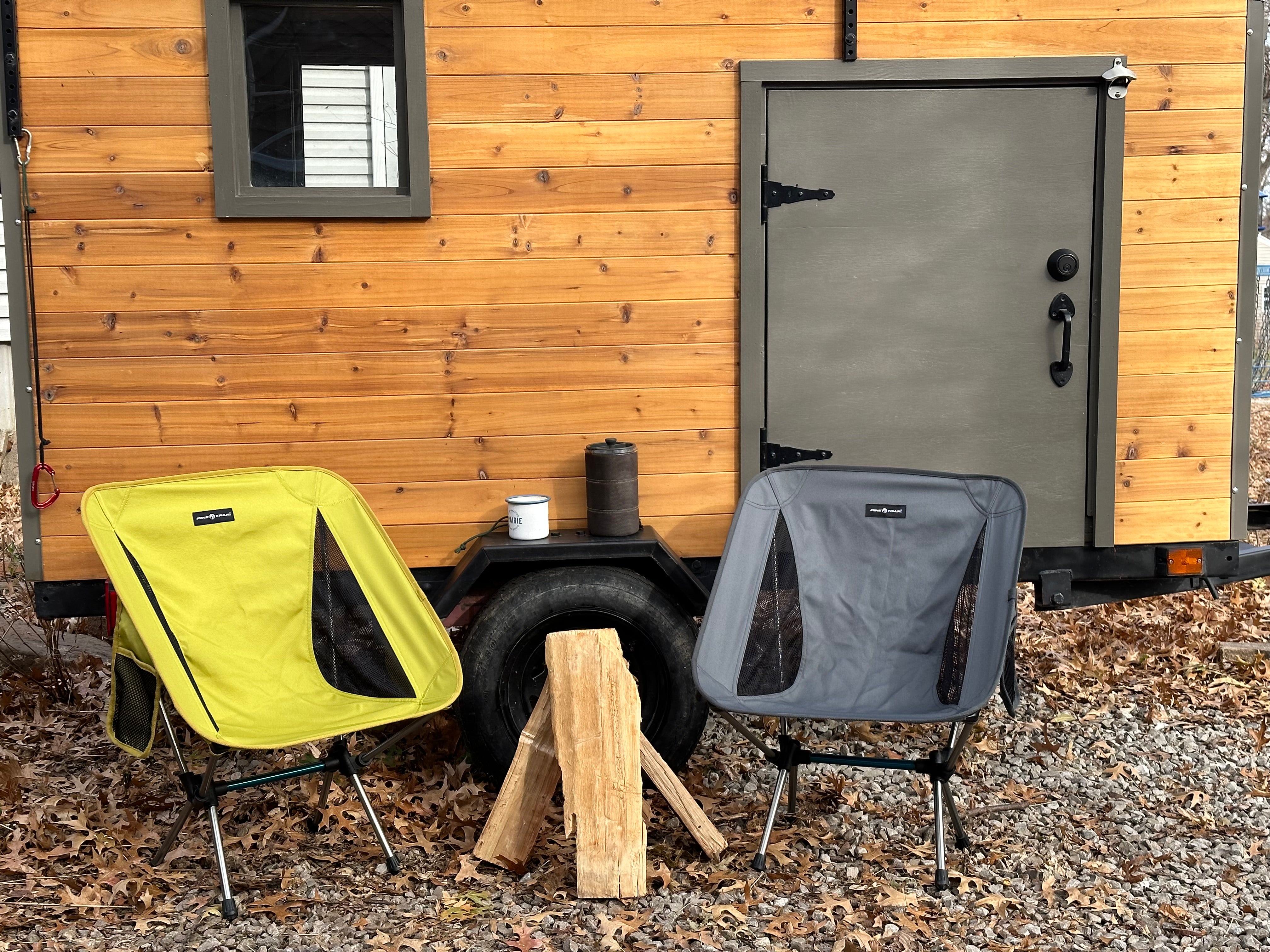
Not every late-season setup is a tree stand. When deer are hammering a particular field, a lot of hunters slip into a ground blind or brush in along a hedgerow for a quick afternoon ambush. That's where the Pike Trail Ultralight Chair earns its spot in the truck. It weighs just 2.2 pounds, folds down to about 13" x 5" x 6", holds up to 330 pounds, and gets you off the frozen ground so you're not losing heat into the dirt for three hours. Battleship Grey disappears pretty well in the back of a dark blind.
Your Late Season Deer Hunting Checklist
- Know the dates: Missouri archery deer season runs Nov. 25 through Jan. 15. Firearms portions also happen during that window (late youth Nov. 27–29, late antlerless Dec. 5–13 in open counties, and alternative methods Dec. 26–Jan. 5), so check the Missouri Department of Conservation regulations for hunter orange rules and county details before you go.
- Find the food: Glass fields in the last hour of light from a distance before you commit to a stand.
- Dress in layers you can adjust: Walk in light, add insulation at the stand.
- Protect your lower legs and feet: Leg gaiters on the walk in, waterproof socks all day.
- Bring a pole for the ice: Especially on ridges, creek banks and frozen field roads.
- Pack it out smart: Headlamp, extra batteries, spare socks, and a plan for the drag.
Outlast the Cold, Enjoy the Quiet
Late season can be tough, but it's also some of the most peaceful time you'll ever spend in the woods. Fewer hunters, cardinals popping against the snow, a sunset that turns the whole frozen field pink, and the very real chance that a big, smart deer finally slips up on his way to dinner. Keep your feet dry, your legs protected and your footing solid, and you'll be the one still sitting when it happens.
Stay warm, shoot straight, and save us a story from the stand.
— The Pike Trail Crew
Wander More. Worry Less.