There's a moment every fall hiker knows. You crest a ridge, the maples are on fire, the oaks are going full copper, and you think, "This is the best trail day of the year." Then you start down the other side and the trail disappears under six inches of crunchy, gorgeous, completely treacherous leaves.
Ten steps later you're doing an involuntary dance move that has no name, arms windmilling, water bottle airborne, hoping nobody behind you got it on video. (They did. They always do.)
Leaf-slick descents are the sneaky hazard of autumn hiking. The views are peak, the bugs are fading, the air is perfect, and the ground under your boots is quietly plotting against you. The good news: with a little technique and the right fall hiking gear, you can spend way more time looking at the colors and way less time looking up at them from flat on your back.
Why Fall Trails Get So Slippery
Fresh leaves are basically nature's banana peels. A few things stack up against you this time of year:
- Hidden obstacles. A blanket of leaves hides roots, loose rocks, holes and the edges of the tread. You can't dodge what you can't see.
- Wet leaves act like a slick layer. After rain or a heavy dew, leaves pack down into a smooth, slippery mat, especially on rock slabs and wooden steps.
- Mud underneath. Fall rains soften the trail, so that innocent-looking pile of leaves might be sitting on top of a mud pit.
- Shorter days. Late-afternoon light gets flat and dim under the canopy, which makes it even harder to read the ground on the way down.
None of this means you should stay home. It just means fall descents reward a little extra stability, and that's where your gear starts pulling its weight.
Carbon Fiber Trekking Poles: Your Extra Set of Legs on Descents
If there's one piece of gear that changes a leaf-covered downhill, it's a pair of trekking poles. Two extra points of contact means when one foot skates, you've still got three things holding you up. Poles also let you probe ahead, poking into that suspicious leaf pile to find out whether it's hiding a rock, a root or a small swamp.
Our Pike Trail Carbon Fiber Trekking Poles weigh just 7.4 oz each, so you won't mind carrying them on the climbs to get to the good part. A few features that matter specifically on fall descents:
- Adjustable from 24" to 54" with secure flip locks. Lengthen them a few inches for long downhills so you can plant ahead of you without hunching over.
- Shock absorption that helps reduce impact on knees and joints, which your knees will notice around mile six of a downhill.
- Cork grips with EVA foam extensions, so you can choke down on the shaft for short, steep pitches without adjusting anything.
- Mud baskets included, which keep your tips from sinking into soft, leaf-covered ground. (Snow baskets come in the box too, for later in the season.)
They come in Forest Green, Camp Fire and Dark Red Sangria, which, conveniently, all match the leaves you're trying not to slip on. If your tips have seen a few too many seasons, you can grab replacement tips and baskets separately.
Quick Pole Technique for Leaf-Slick Downhills
- Plant first, step second. Set both poles slightly ahead, test the ground, then step down between them.
- Shorten your stride. Small, deliberate steps keep your weight over your feet, so a slip turns into a stumble instead of a slide.
- Bend your knees. A slightly lower stance keeps your center of gravity steady. Think "athletic ready position," not "stiff-legged robot."
- Avoid the sneaky stuff. Leaves on top of bare rock, wooden bridges and log steps are the slickest spots on the trail. Step to the side if you can, or slow way down.
Leg Gaiters for Fall Hiking: Mud, Burrs and Wet Leaf Piles
Walking through deep leaf litter is fun until it's not: wet leaves, twigs, burrs and mud find their way into your boots and onto your pant legs. Leg gaiters solve that before it starts.
The Pike Trail Leg Gaiters are built for durability and abrasion resistance in rugged terrain and wet environments, and they're waterproof, so shuffling through soggy leaf piles and muddy switchbacks doesn't soak your lower legs. The adjustable design fits over or under your hiking pants, with or without layers, which is handy in fall when one morning is shorts weather and the next calls for long underwear.
Fall is also prime time for ticks in a lot of the country, and leaf litter is exactly where they like to hang out. Gaiters, tucked pants and repellent work best together as a system, and our tick prevention guide walks through the whole routine. Our Black and Olive Drab gaiters are both well stocked right now, and Olive Drab blends right into the autumn woods.
Waterproof Hiking Socks: Because Leaves Hide Puddles
Here's a fall hiking truth: the deepest puddle on the trail is always the one covered by leaves. You won't know it's there until your foot finds it, and then you've got a soggy sock for the next four miles. Wet feet don't just feel gross. They're also a fast track to blisters.
Pike Trail Waterproof Breathable Socks use a three-layer construction with a waterproof, breathable middle membrane, and they're waterproof from the toe to the bottom of the cuff. The inner Coolmax layer wicks moisture away from your skin, the material is designed to help fight odor, and they're designed to help prevent blisters and chafing. They also hold warmth well, which is nice on those crisp mornings when you can see your breath at the trailhead.
One tip: these are thicker than your average sock, so try them with your hiking boots before a big outing to make sure the fit is right. Pair them with gaiters and you've got a pretty solid defense against whatever's lurking under the leaves.
If your fall route includes a stream or two, our post on staying dry on fall creek crossings has more tips for keeping your feet happy.
A Simple Fall Day-Hike Checklist
Shoulder season can swing from warm to chilly in a single afternoon. Before you head out to chase the colors, run through this list:
- Trekking poles (with mud baskets on soft trails)
- Leg gaiters
- Waterproof socks, plus a dry spare pair
- Boots with good tread (fall is a great time to check how worn yours are)
- Layers: a warm mid-layer and a rain shell
- Headlamp, because sunset sneaks up fast this time of year
- Water, snacks and a map or downloaded trail app
- Tick repellent and a plan for a tick check afterward
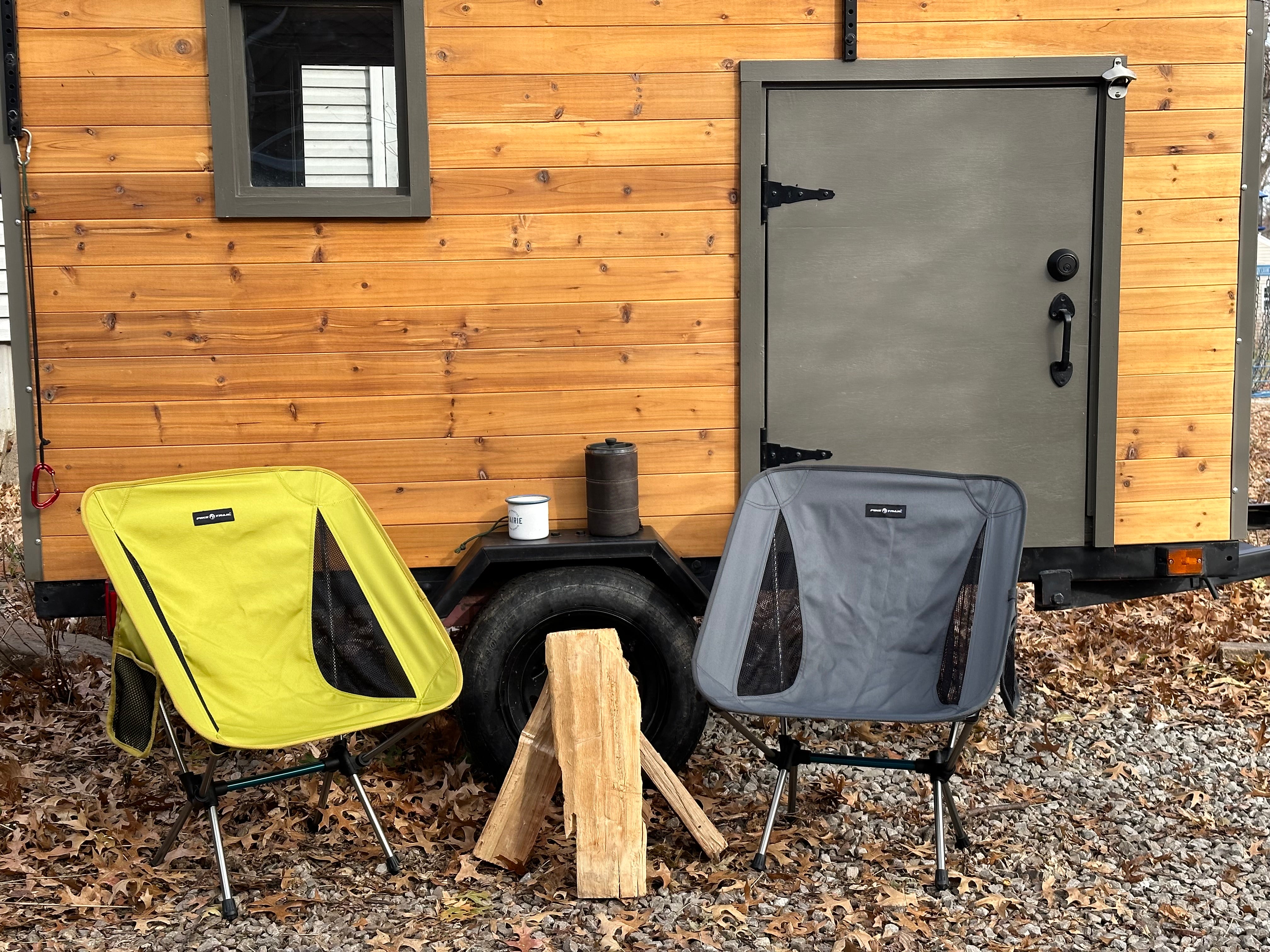
And for the summit snack break? Our Ultralight Compact Chair is currently sold out but coming back soon. At 2.2 lb, it makes a pretty great spot to sit and stare at the foliage instead of perching on a damp rock.
Slow Down and Soak It In
The best part about fall hiking is that it practically begs you to slow down. The colors are only here for a few weeks, so take the downhills easy, plant your poles, keep your feet dry and enjoy every crunchy step. The trail isn't going anywhere, and neither is that view.
See you out there, and may every leaf pile you step in be just leaves.
— The Pike Trail Crew
Wander More. Worry Less.