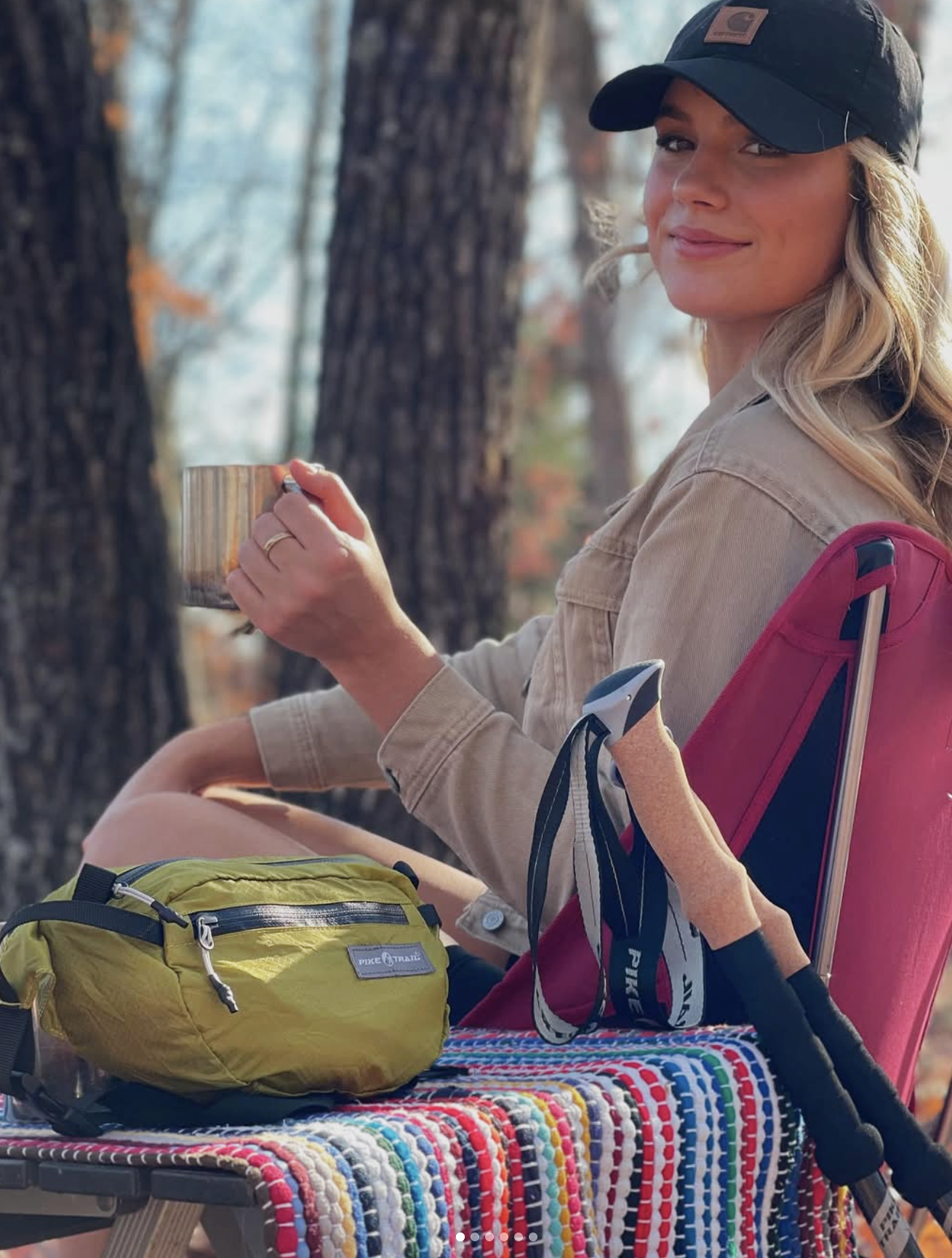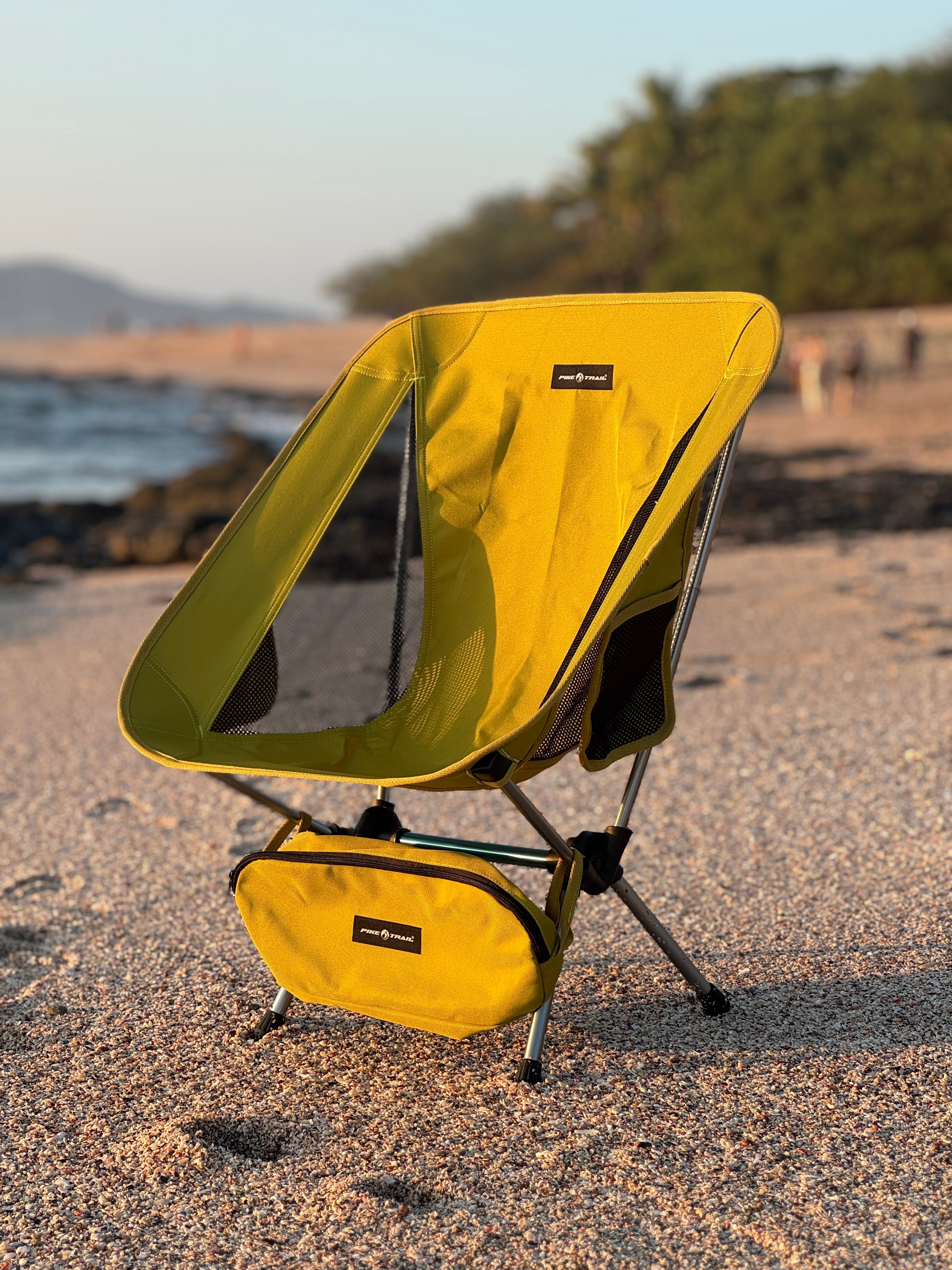
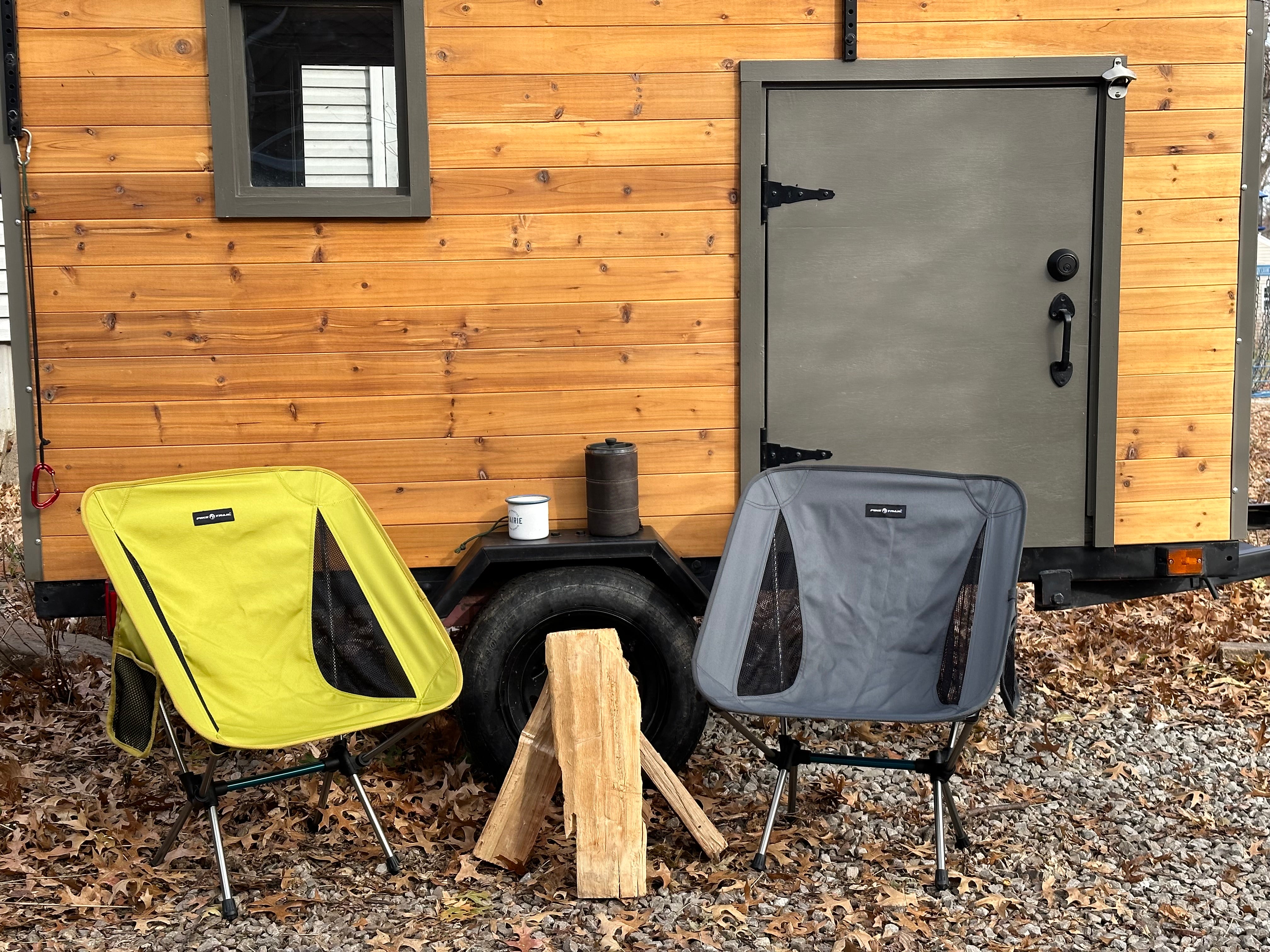
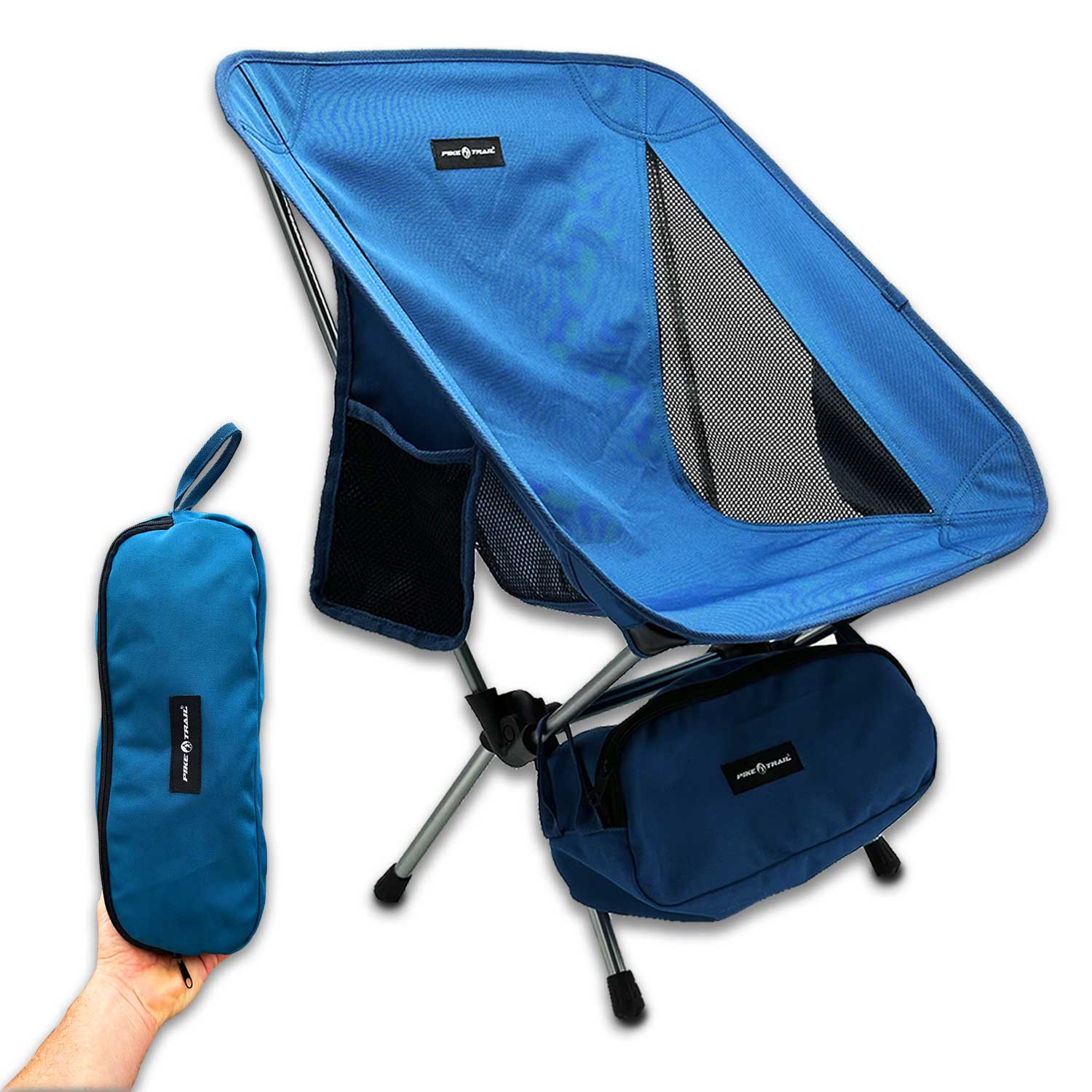
Silla de camping compacta y ultraligera Pike Trail
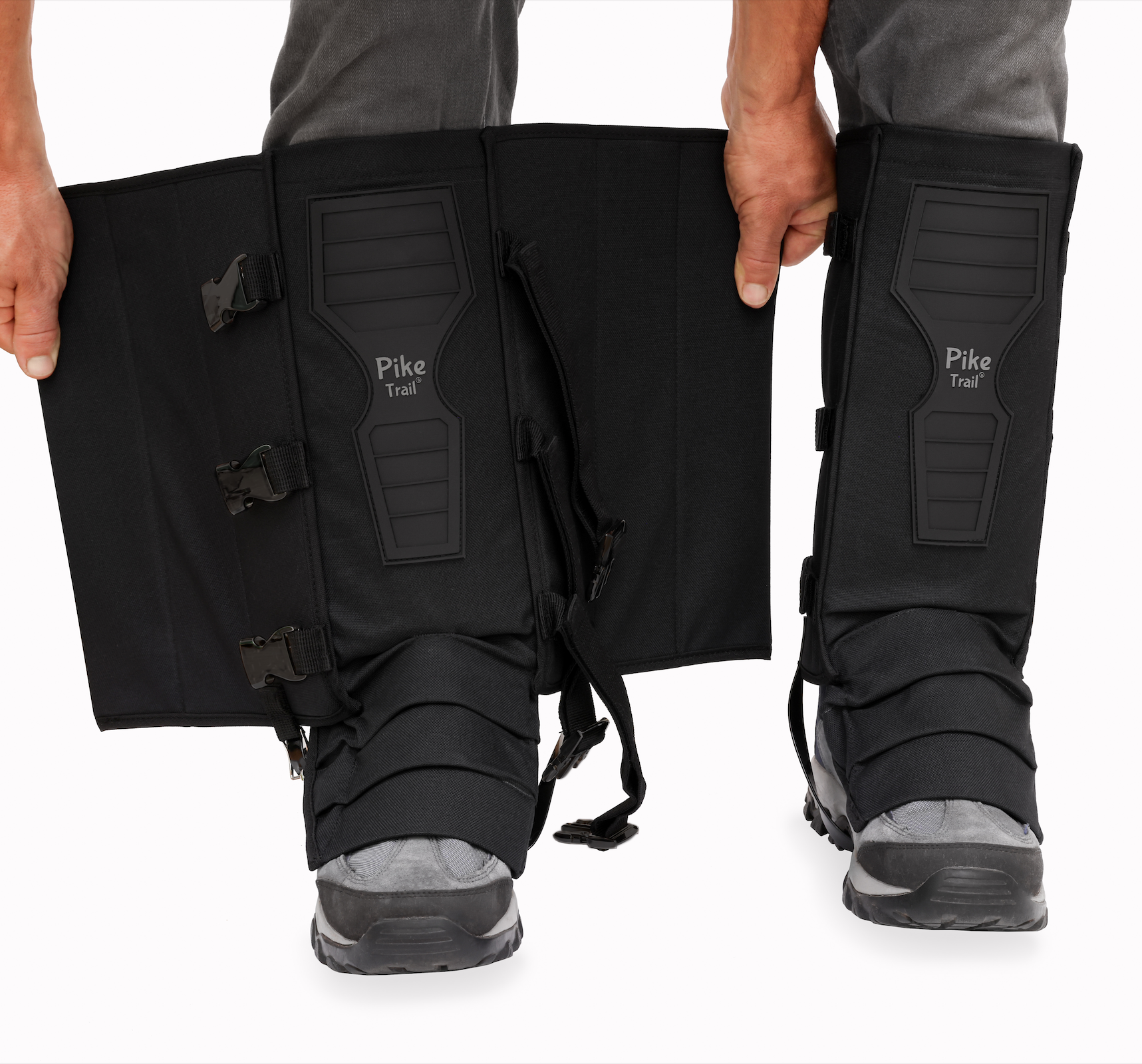
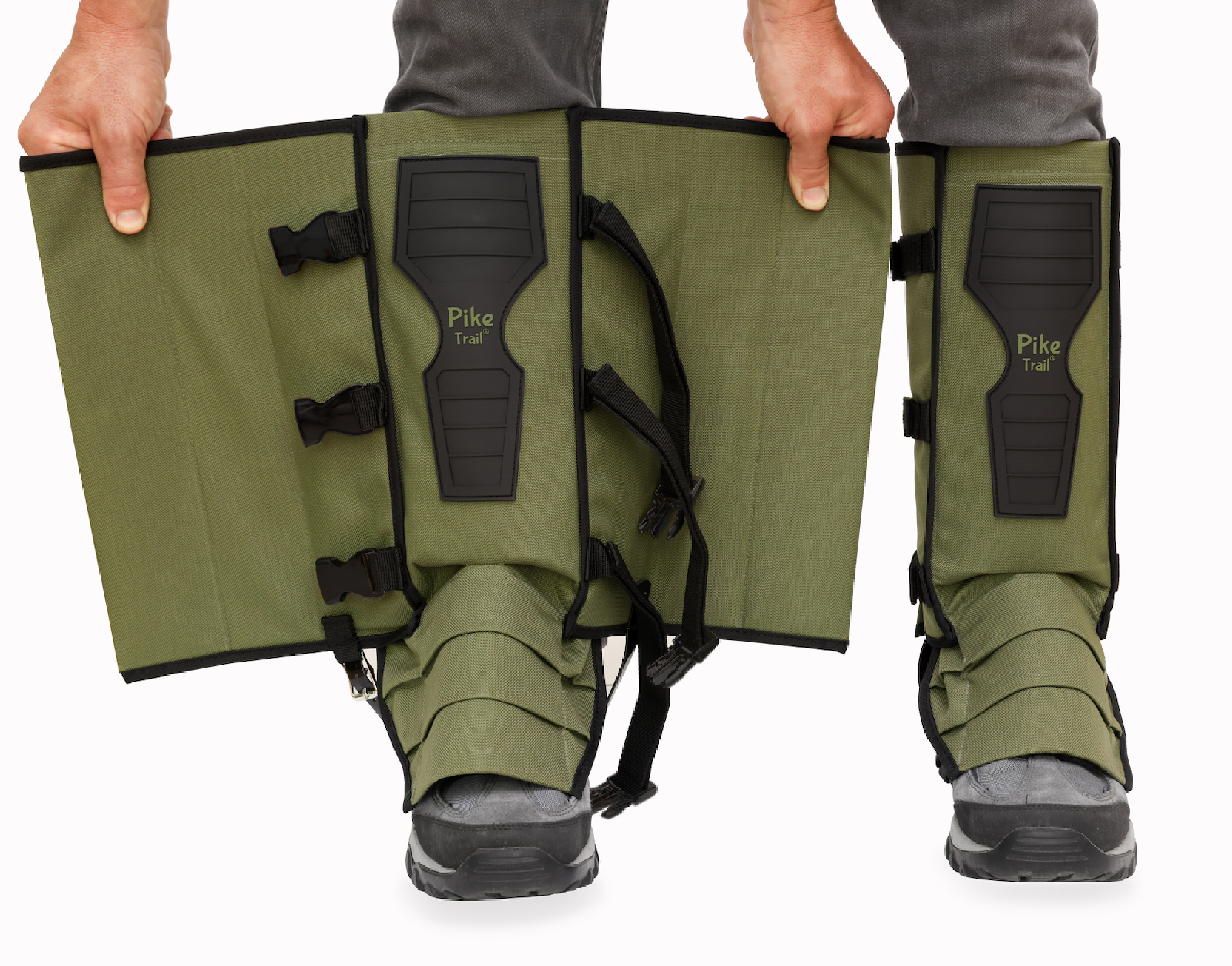
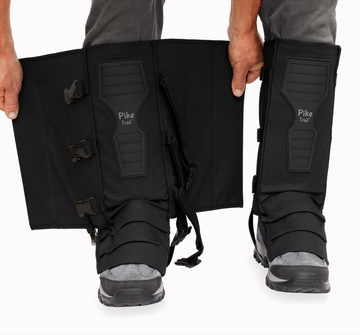
Protectores de piernas con polainas de serpiente
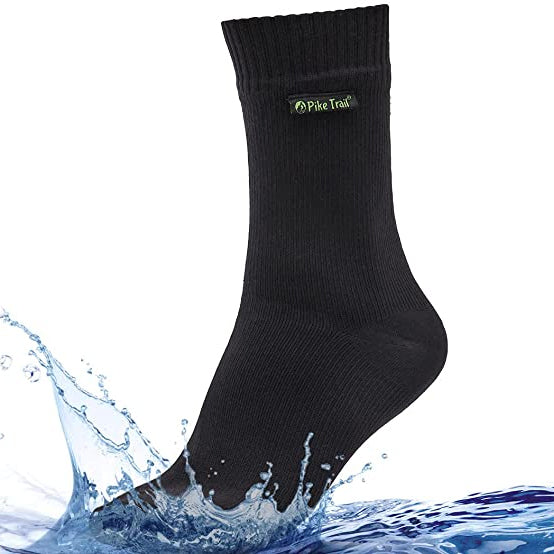
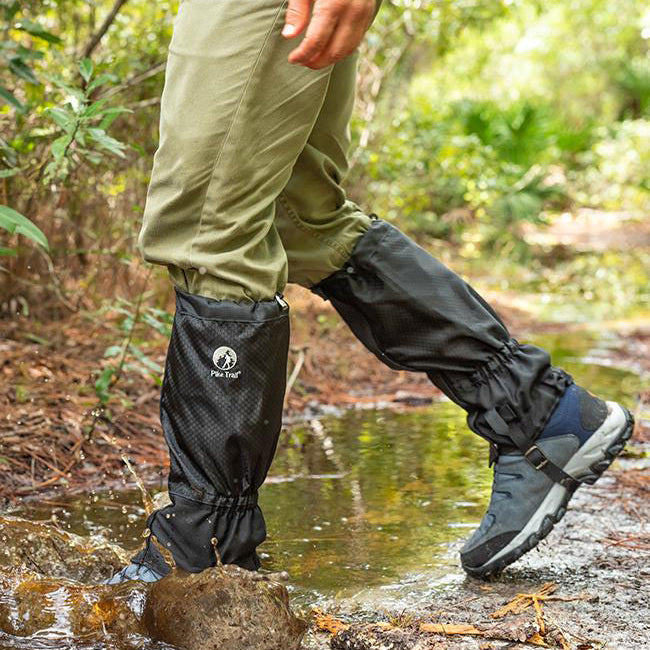
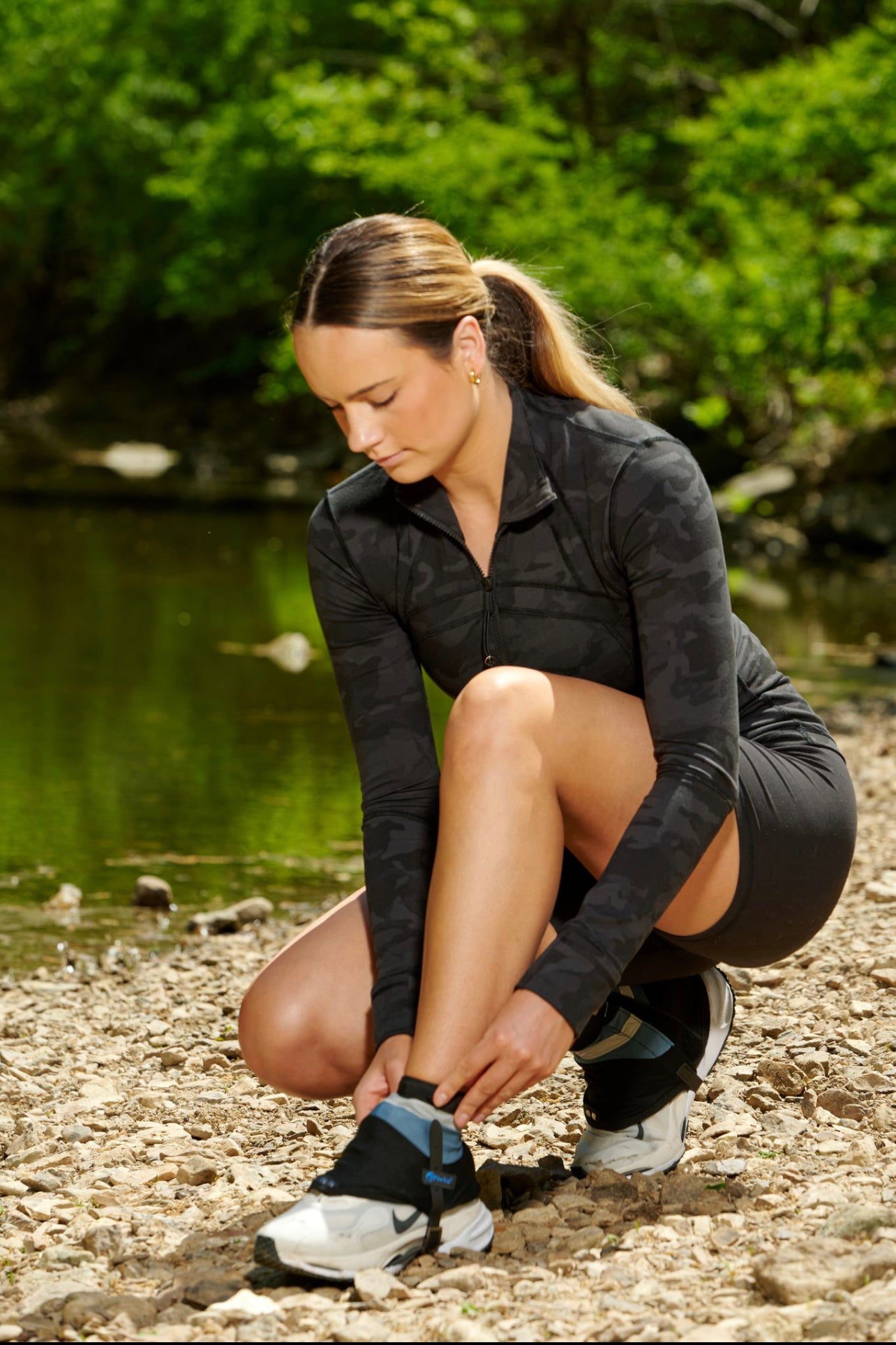
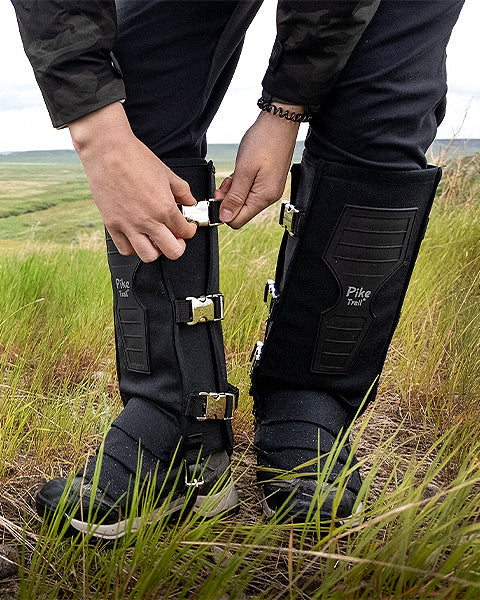
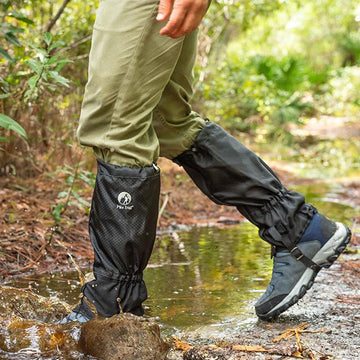
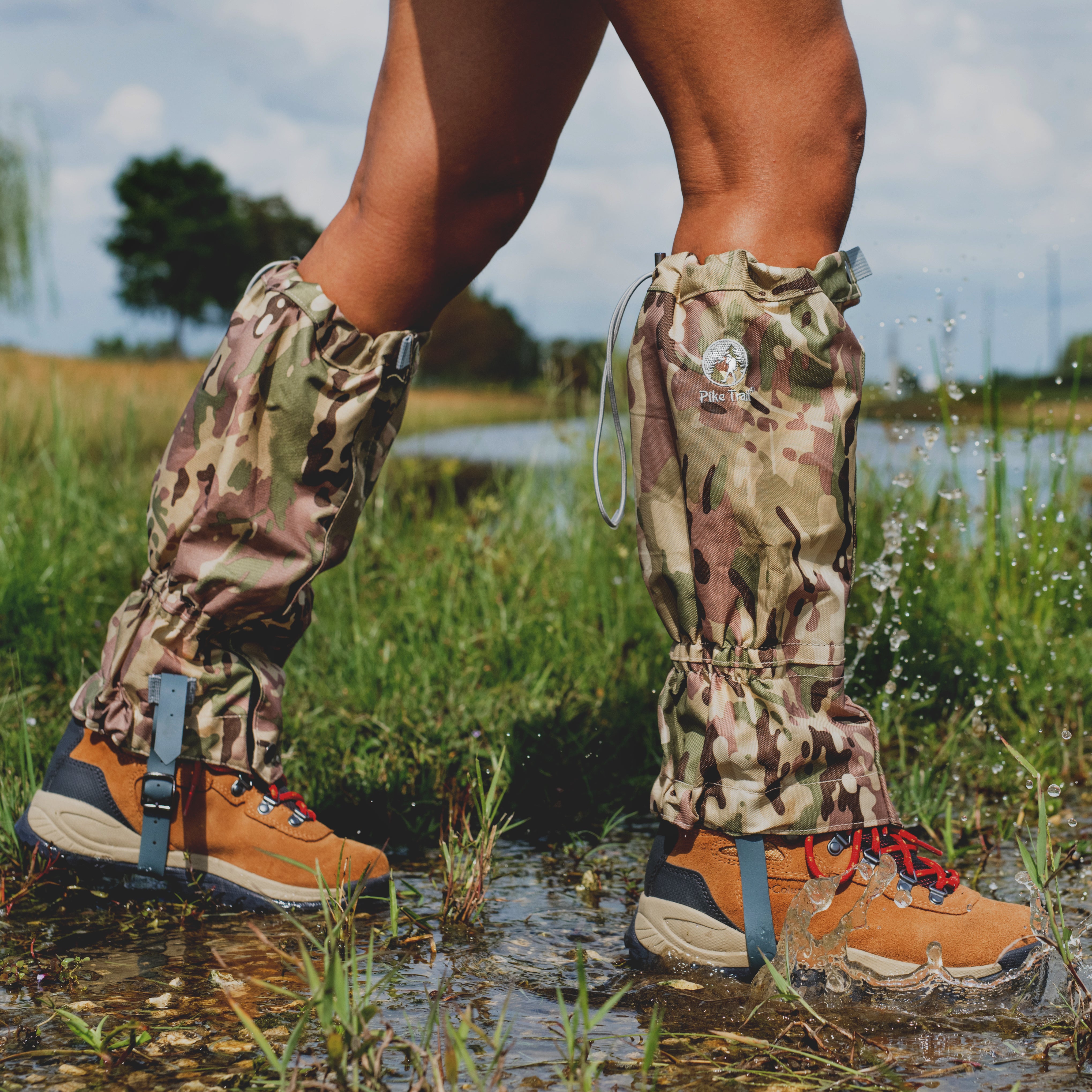
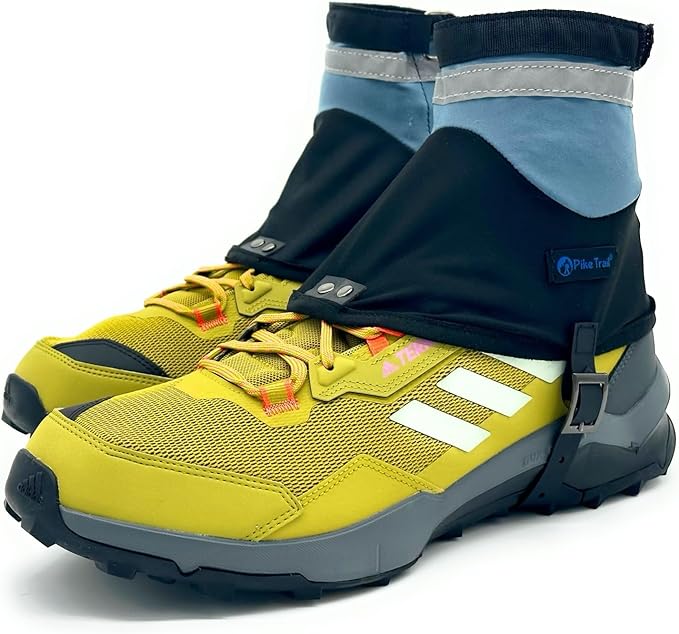
Polainas para piernas de senderismo Pike Trail
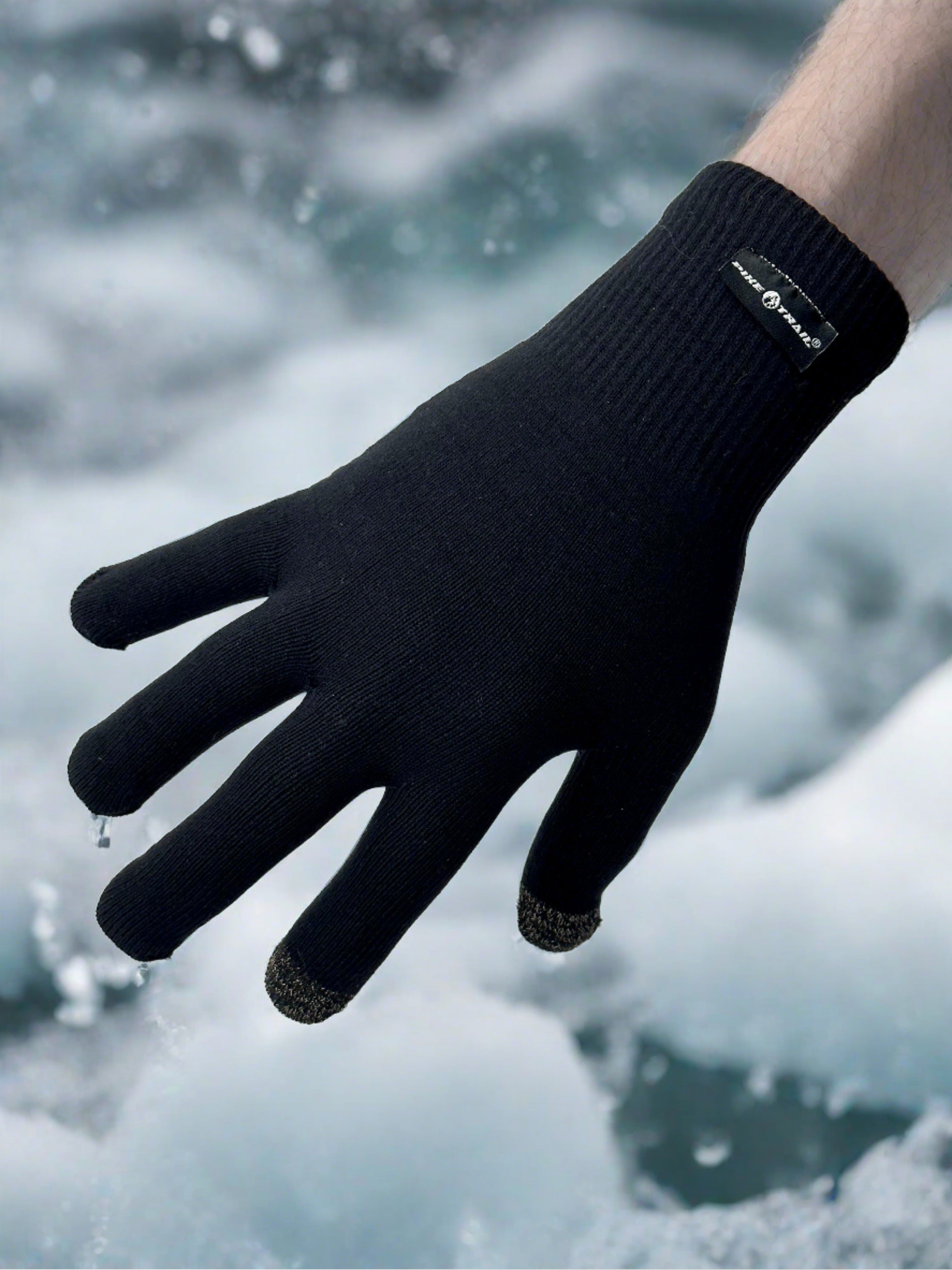
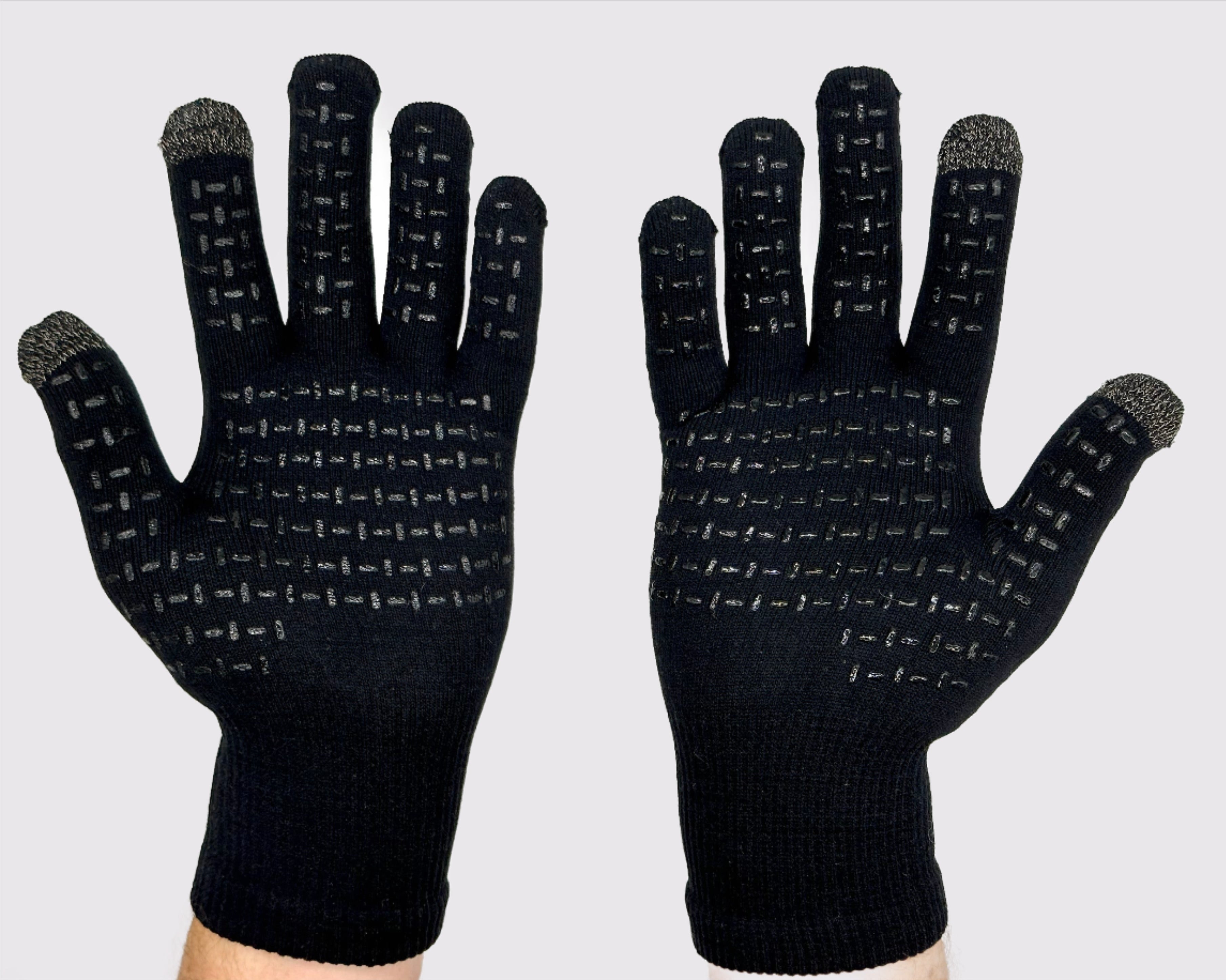
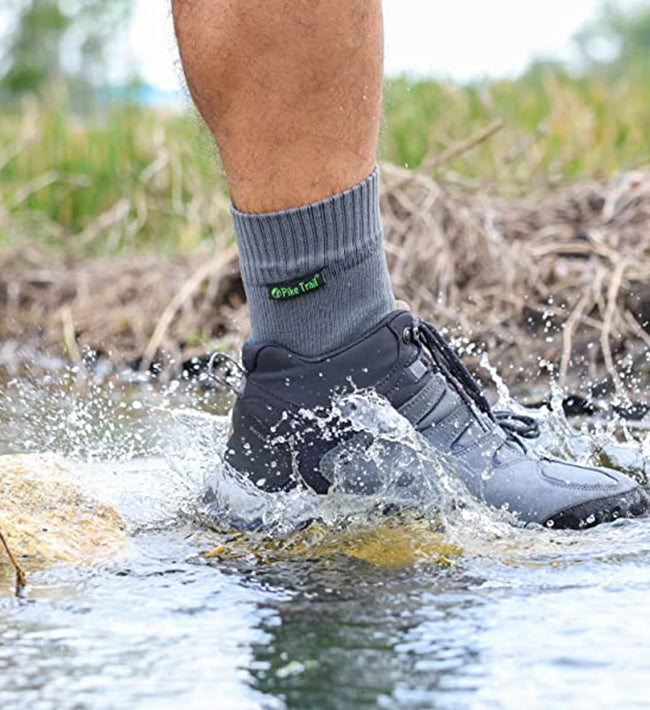
Pike Trail Water Resistance Seamless Gloves
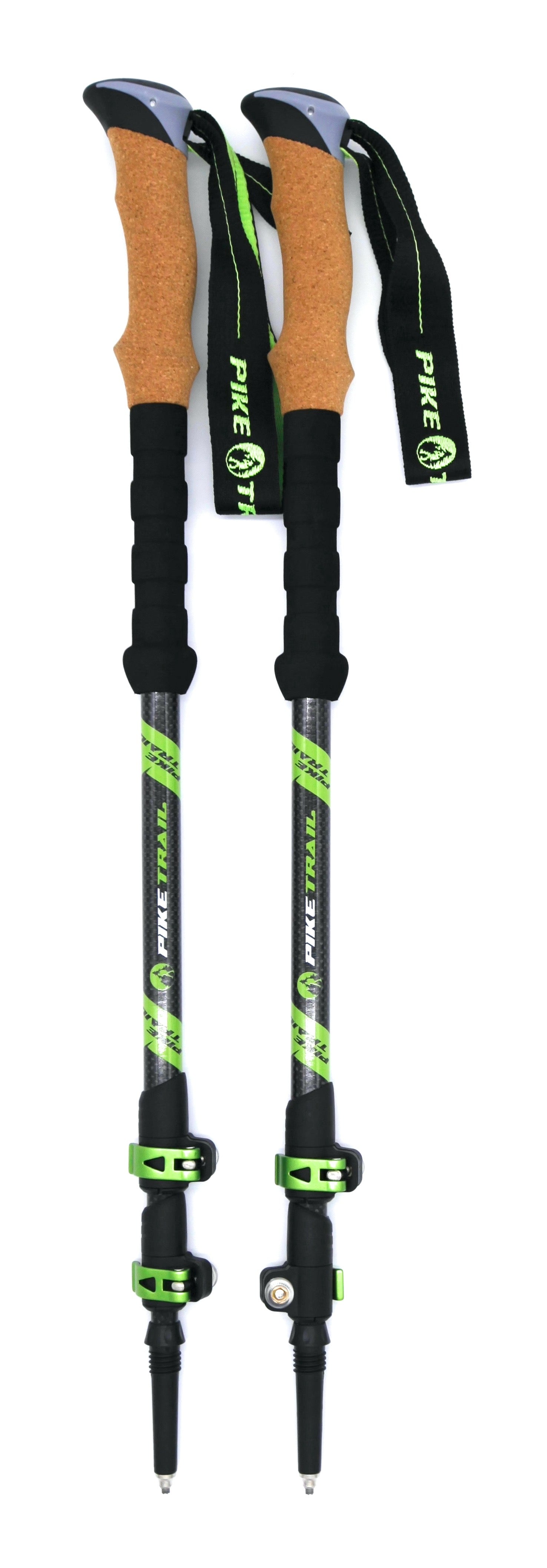
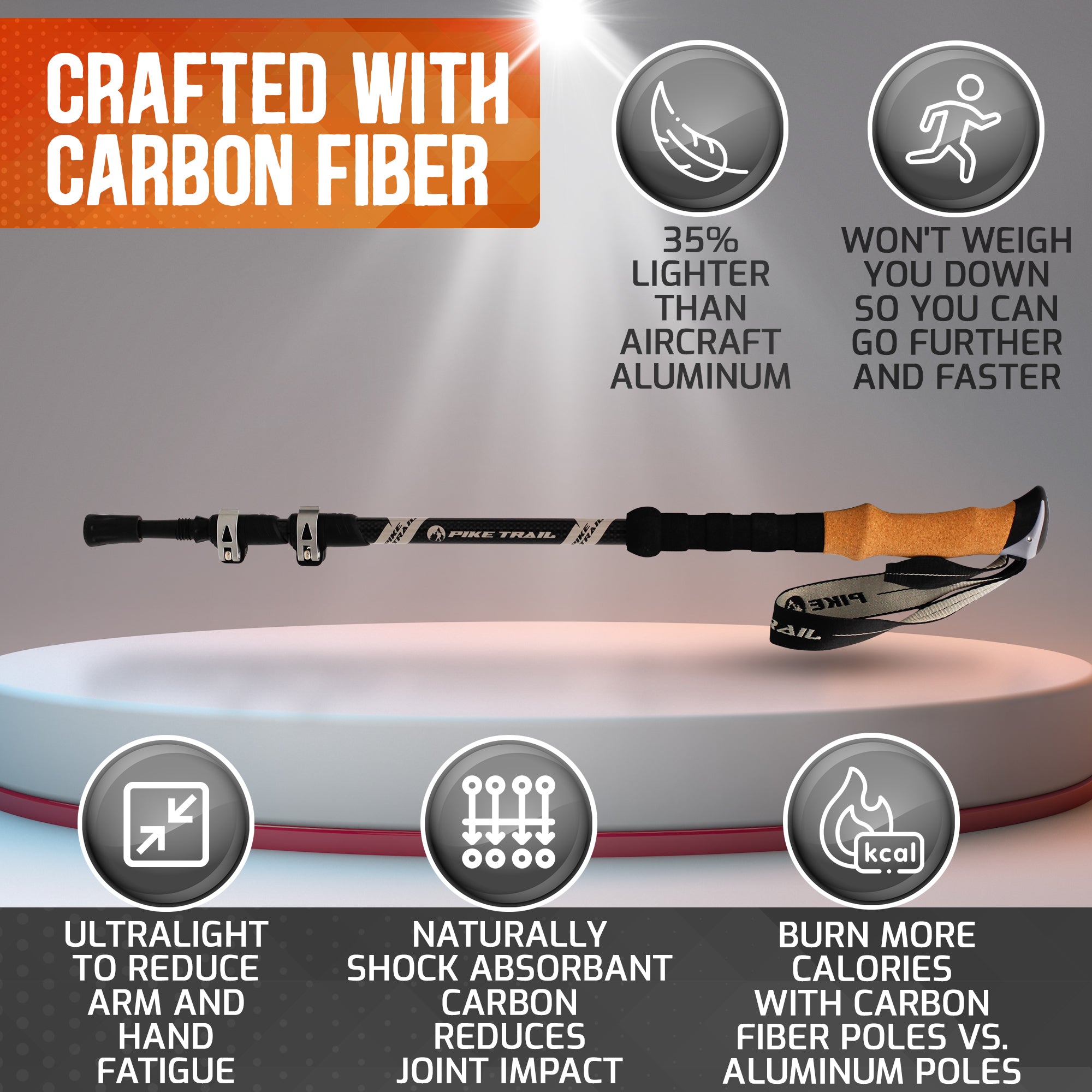
Bastones de trekking ultraligeros de fibra de carbono Pike Trail
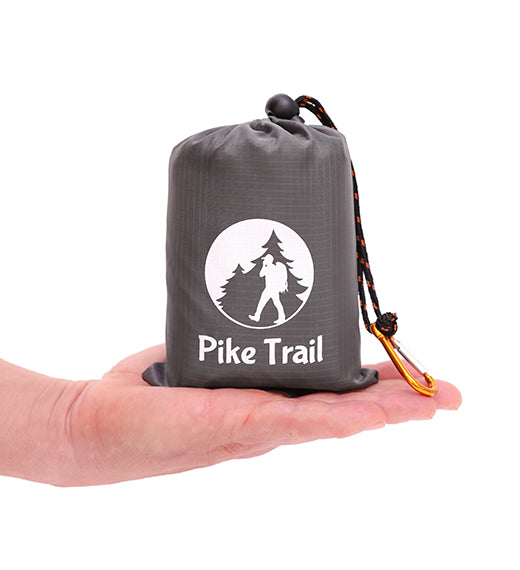
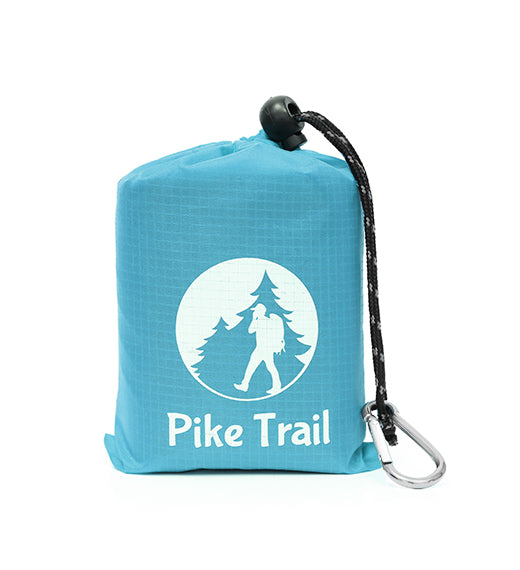
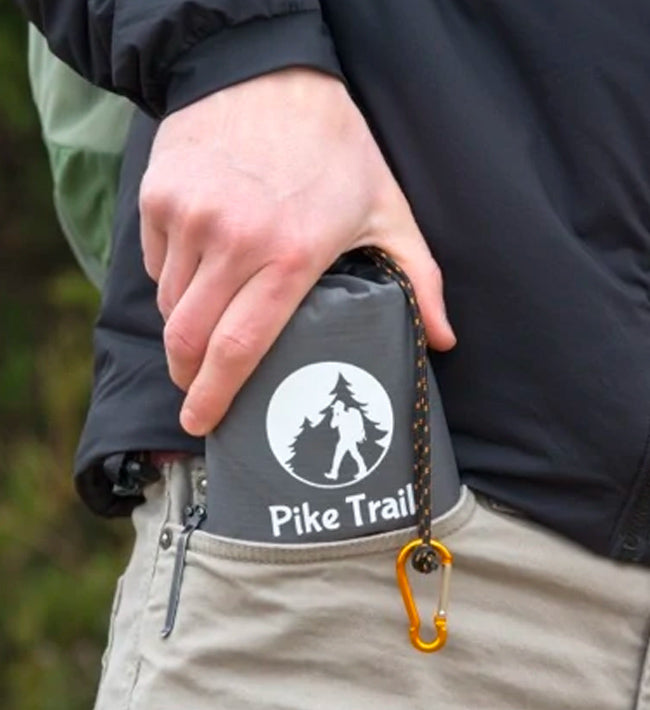
La manta de bolsillo Pike Trail
Extra Thick and Wear Resisting Rubber Tips for Trekking Poles, Hiking Sticks, Hiking Poles and Nordic Walking Poles
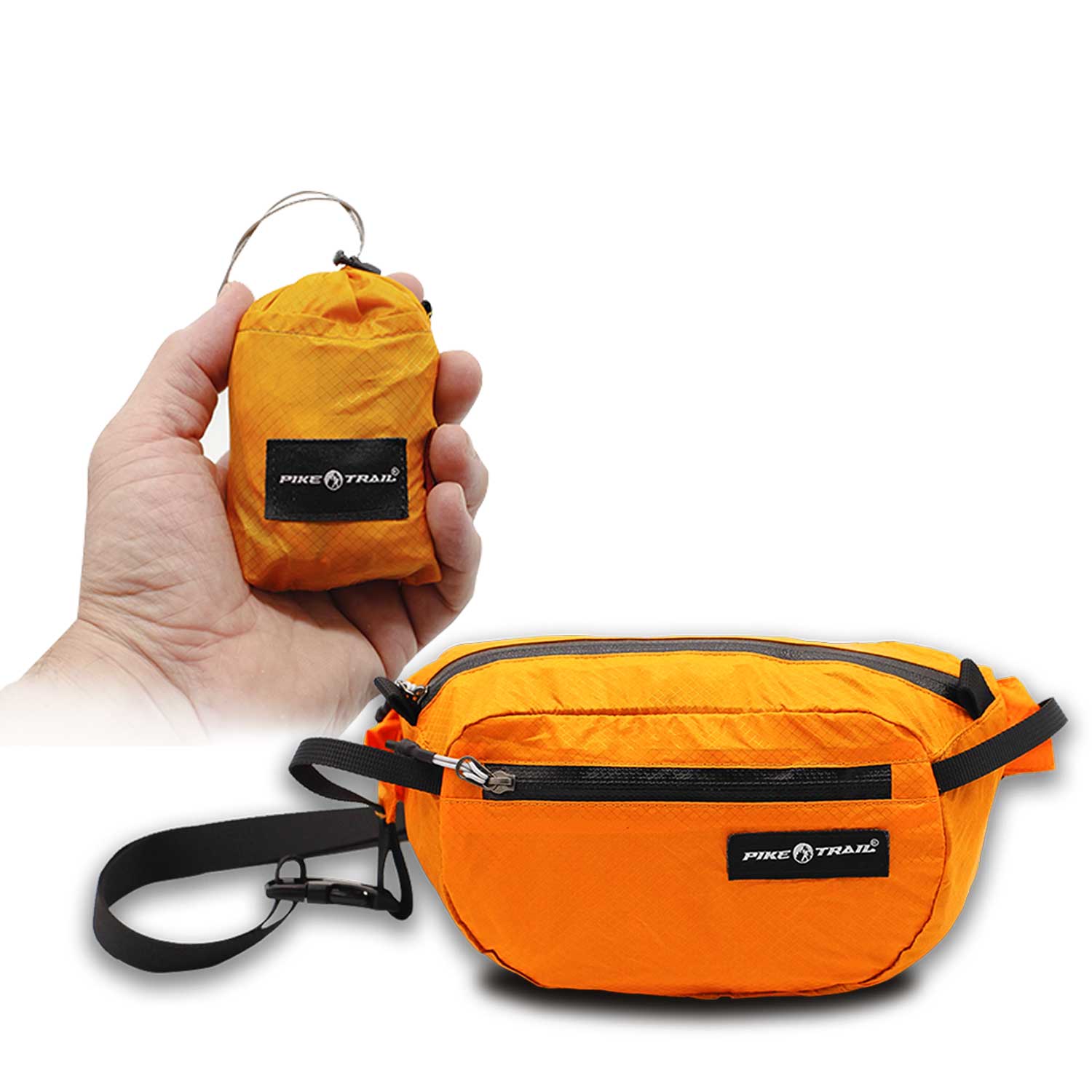
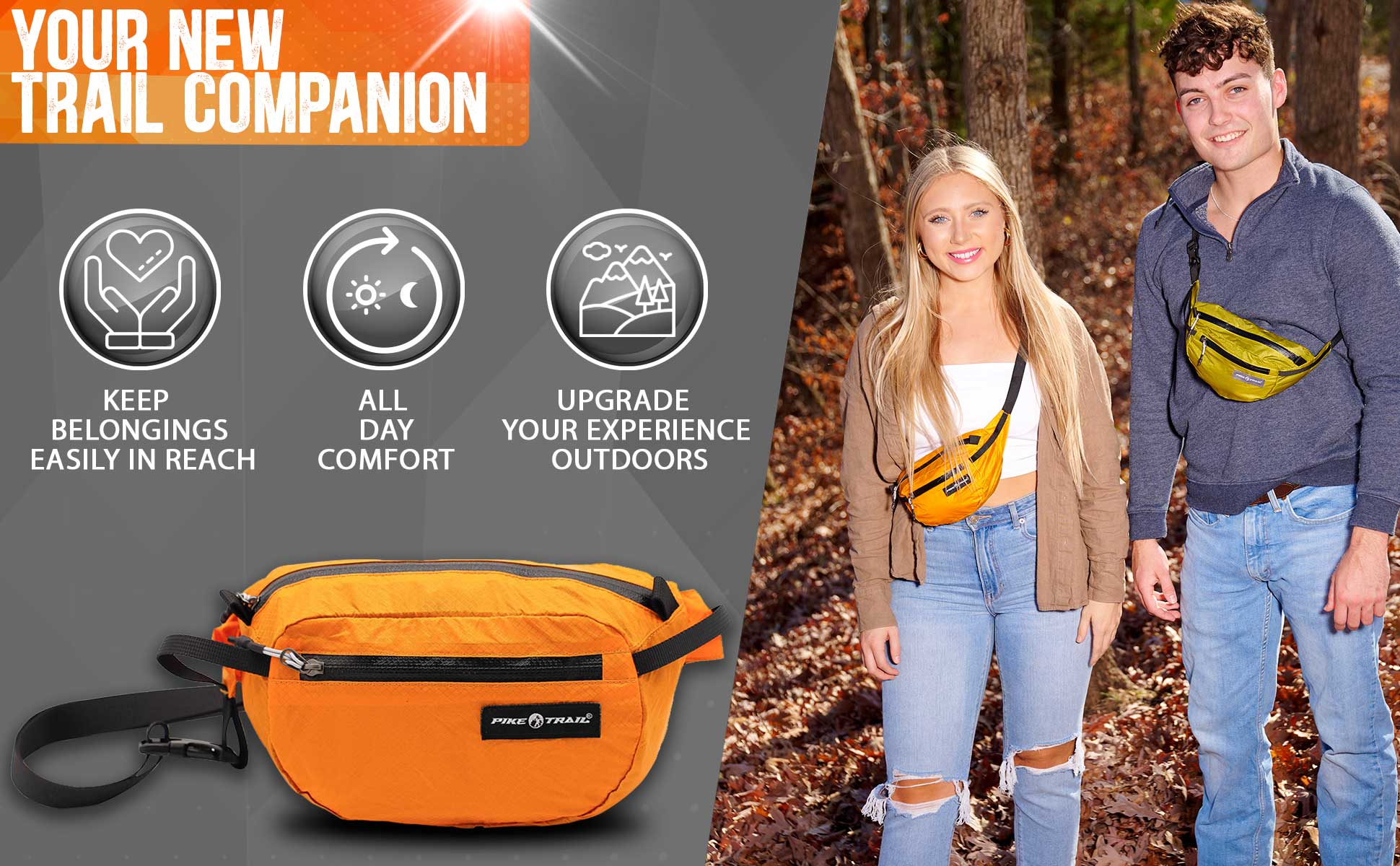
Cintura/hombro Senderismo, Correr, Riñoneras
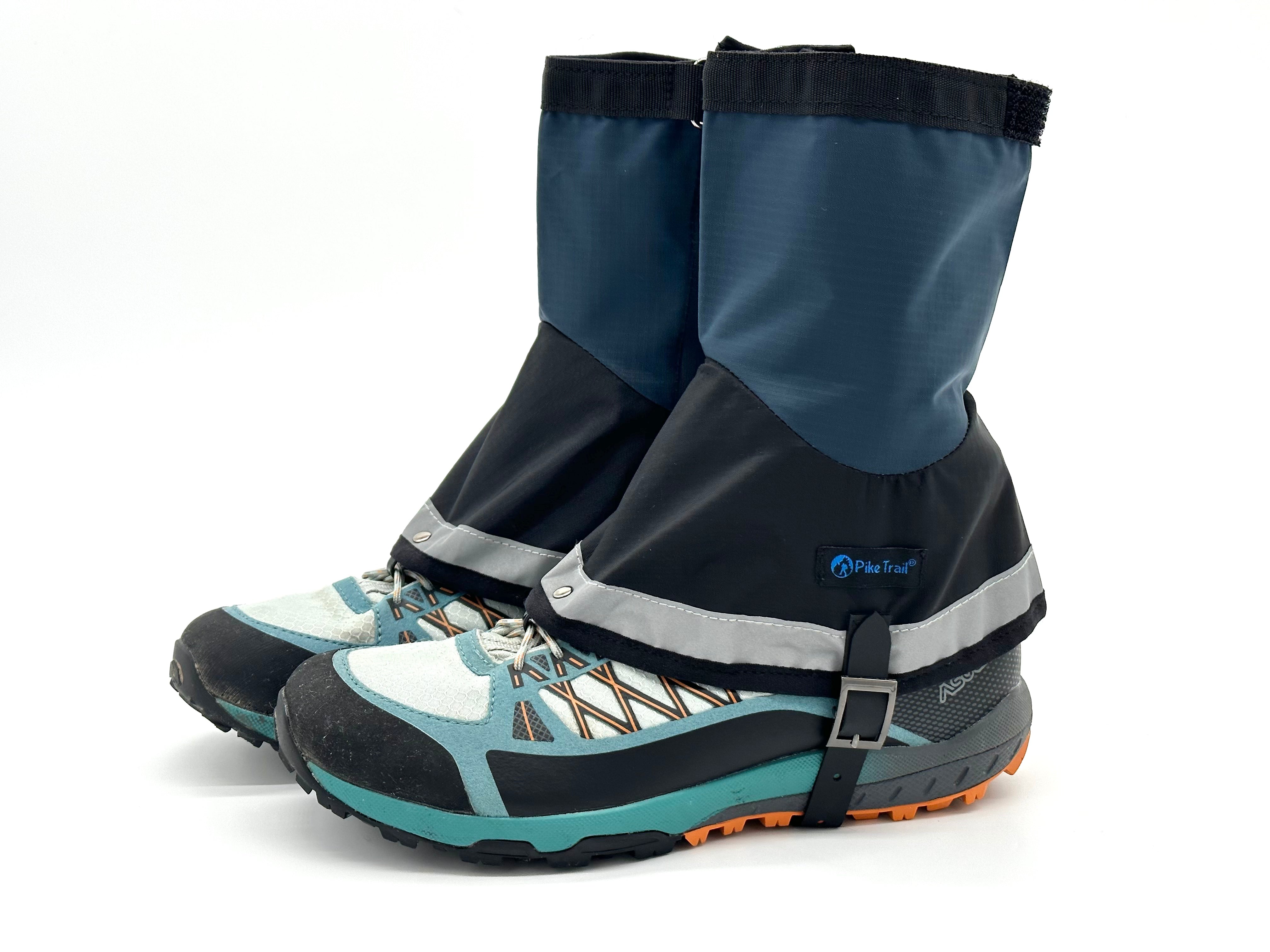
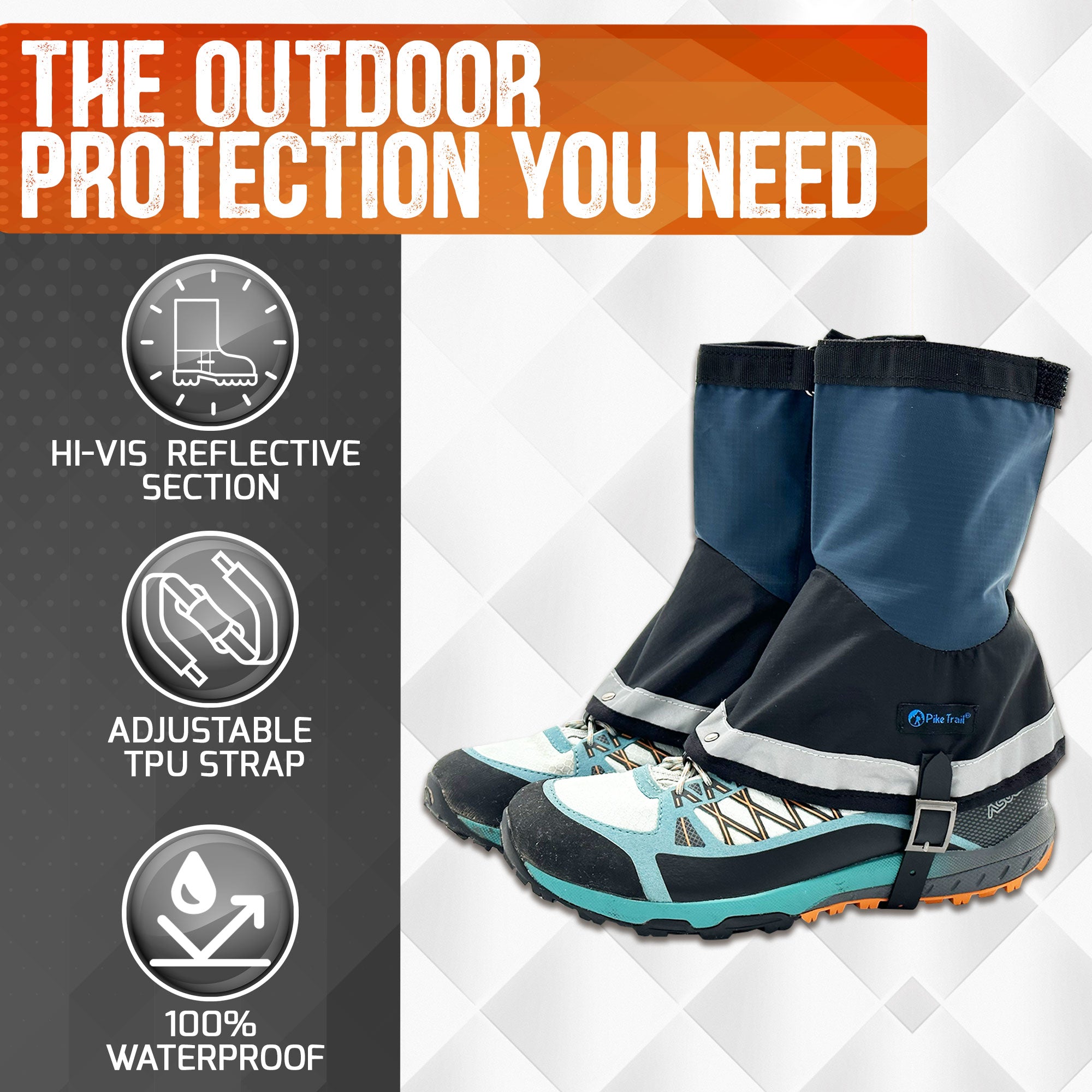
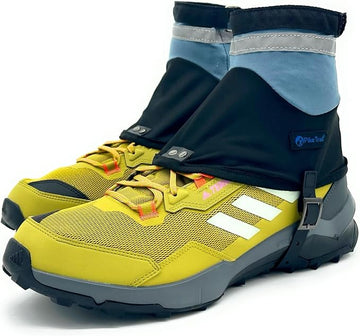
Polainas Pike Trail de longitud media, ajuste ajustable pequeño/mediano
Our Mission
Pike Trail exists to keep people safe outdoors. In Missouri and across the country, ticks carry more than an itch: alpha-gal syndrome, Rocky Mountain spotted fever, and Lyme are changing lives in our own community. We build handcrafted, field-proven gear that puts a real barrier between you and the threat — designed to outlast the season and the seasons after it.
Working Dogs for Warriors
Let's be real for a sec.. shall we? We all love the outdoors and all the beautiful places that we have to explore in this fine country of ours called America. However, NONE of this would be possible without the service and sacrifice of our active military, returning veterans and first responders. Please join us in helping to give back to these warriors and defenders of the mainland who have returned from the battle field while suffering from the effects of PTSD. We have partnered with Working Dogs For Warriors to match our returning heros with a trained, loyal, canine companion to help ease their sufferings as they struggle to adapt to their new life. Together we can ease the pain of PTSD one warrior at a time. Donate or Learn More by clicking on the button below.
Journal
How to Safely Remove a Tick (and 4 Things Never to Do)
If you find a tick attached to your skin, how you remove it matters. Done right, removal takes less than a minute and meaningfully lowers your risk. Done wrong — with heat, petroleum jelly, or a hard twist — you can leave mouthparts behind or even increase the chance of infection by agitating the tick before it's fully out. A lot of the folk remedies that get passed around on the trail come from a reasonable instinct — wanting the tick gone as fast as possible — but they tend to make things slower and messier, not faster. Here's the method public health guidance actually recommends, and the folk remedies to skip. How to remove a tick safely Get a pair of fine-tipped tweezers. Blunt tweezers or fingers make it much harder to get a clean grip. Grasp the tick as close to the skin's surface as possible. You want the tweezers right at skin level, gripping the tick's mouthparts rather than its body. Pull upward with steady, even pressure. Don't twist or jerk — a straight, steady pull is far less likely to leave mouthparts embedded in the skin. Clean the bite area and your hands. Rubbing alcohol, an iodine scrub, or soap and water all work. 4 things never to do Don't use heat. A match or lighter held near the tick doesn't make it back out — it just risks burning you and can agitate the tick. Don't smother it in petroleum jelly or nail polish. Trying to suffocate the tick takes too long and doesn't reliably work; ticks can survive for hours without air. Don't twist or jerk it out. This is the most common cause of leftover mouthparts under the skin. Don't squeeze or crush the tick with bare fingers. Crushing it can push its contents back into the bite site. Use tweezers, not fingertips. After removal Once the tick is out, clean the area and your hands, and note the date. It's worth saving the tick — in a sealed bag or container, or simply photographed clearly — in case identification becomes useful later. Most tick-borne infections require an extended period of attachment, so prompt removal already puts you in a much better position regardless of what kind of tick it was. Why identification can help Different tick species carry different risks, and knowing which one bit you gives a healthcare provider more to work with if symptoms show up later. A blacklegged (deer) tick carries different risk than a lone star tick, for example, and your provider may ask about size, color, and how long it was attached. A clear photo — taken before or after removal — is usually enough for general identification; you don't need to mail the tick anywhere unless a provider specifically asks you to. Some local health departments and university extension offices offer tick identification or testing services if you want a more definitive answer. What to watch for Over the days and weeks following a bite, keep an eye out for a rash (including one that expands or changes shape), fever, fatigue, headache, or joint pain. None of these on their own confirm an infection, but any of them is a reason to follow up rather than wait it out. When to see a doctor Talk to a healthcare provider if you develop any of the symptoms above, if the tick was attached for an extended period before you found it, if you weren't able to remove it completely, or if you know you're in an area with high rates of tick-borne illness and want to be cautious. It's also reasonable to check in simply because you'd rather not wonder — there's no harm in a precautionary visit, and a provider can evaluate your specific situation, tick species, and regional risk far better than any general guide can. This article isn't a substitute for that conversation, and none of the above should be read as a diagnosis or a reason to wait if something feels wrong. A note on removal tools Fine-tipped tweezers work well and are usually already in a first-aid kit, but several trail-specific tools exist too — small notched cards or hooked tools designed to slide under a tick and lift it out with the same straight, steady motion described above. Any of these work fine as long as you can get a grip close to the skin and pull without twisting. What matters far less than the specific tool is having something fine-tipped on hand at all; fingers alone make clean removal much harder, especially on a tick that's already partially embedded. Prevention is easier than removal The best removal is the one you never have to do. A few habits — treated clothing, a repellent on exposed skin, and closing the ankle gap with gaiters — prevent most bites before they happen. See our Tick Prevention Guide for the complete routine. Shop Tick-Protection Gaiters This article is for general educational purposes and isn't a substitute for medical advice. If you've been bitten by a tick or are concerned about symptoms, talk to a healthcare provider.
Aprende másPermethrin vs. Picaridin vs. DEET: Which Tick Repellent Wins?
The most important thing to understand about tick repellents isn't which one is "best" — it's that they solve different problems. Permethrin treats clothing and gear; DEET and picaridin go on skin. Used correctly, they're not competing options, they're a layered system, and the strongest protection comes from using more than one. The key distinction: clothing vs. skin Permethrin is registered for use on clothing, footwear, and gear — not skin. DEET and picaridin are registered for direct skin application. That single distinction explains most of the confusion around these products: they're not three versions of the same thing, they're two different tools for two different surfaces. A lot of hikers default to whichever one they grew up with, usually DEET, without realizing the other two solve a different part of the problem entirely. Permethrin: built for fabric, not skin Permethrin is an EPA-registered insecticide, not a repellent in the traditional sense — it kills ticks on contact rather than just discouraging them. Applied to clothing, boots, and gear, it keeps working through repeated washes. Factory-treated clothing typically holds its effectiveness far longer than spray-on treatments, which wear off sooner and need to be reapplied more often — check the product label for specifics. Because it's bonded to fabric rather than skin, permethrin protects continuously without needing to be reapplied throughout the day the way a skin repellent does. Picaridin: an odorless option for skin Picaridin is an EPA-registered skin repellent that's largely odorless and doesn't have the greasy feel some people associate with DEET. It's generally gear-safe, meaning it won't damage plastics or synthetic fabrics the way DEET sometimes can, and it provides several hours of protection depending on the concentration of the product. DEET: the long track record DEET has been registered and studied for decades and remains one of the most effective skin repellents available at adequate concentrations. Its main downsides are a stronger odor, a greasier feel for some users, and a tendency to degrade certain plastics and synthetic fabrics with repeated contact — worth keeping in mind if it gets on watch bands, sunglasses, or gear straps. Application tips and safety basics Whichever skin repellent you choose, the product label is the actual source of truth — concentration, reapplication interval, and any age restrictions all vary by product and brand, not by active ingredient alone. A few general habits apply across the board: apply repellent to exposed skin only, not underneath clothing; avoid the eyes, mouth, and any cuts or irritated skin; and wash it off with soap and water once you're back inside rather than leaving it on overnight. If you're using both a repellent and sunscreen, apply sunscreen first and let it absorb before adding repellent on top. For specific guidance on children, pregnancy, or any skin sensitivity, check the label and ask a pharmacist or healthcare provider rather than guessing. A note on combination products Some clothing comes pre-treated with permethrin straight from the manufacturer, and some repellent sprays combine picaridin or DEET with sunscreen or other ingredients in one bottle. Combination products can simplify your kit, but they also tie reapplication schedules together — sunscreen often needs reapplying more frequently than a repellent does, which can mean you're either under-protected on the repellent side or over-applying the sunscreen side. Separate products give you more control; combination products give you fewer bottles to carry. Neither is wrong, it's a matter of what you'd rather manage. Side by side Permethrin Picaridin DEET Where it goes Clothing & gear Skin Skin How it works Kills ticks on contact Repels Repels Durability Many washes (factory-treated) Several hours per application Several hours per application Odor/feel None once dry Largely odorless Noticeable for some users Gear-safe Yes — that's the point Generally yes Can degrade some plastics The recommended layered approach The most effective setup combines both types: permethrin-treated clothing and gear as a base layer of protection, plus a skin repellent — picaridin or DEET — on any exposed skin it doesn't cover. Neither one alone addresses the whole picture. Together, they cover both the parts of you that are clothed and the parts that aren't, which is the same layered logic behind pairing gaiters with a repellent. In practice, that usually looks like treating your hiking pants, socks, and gaiters with permethrin ahead of the season (or buying them factory-treated), then applying a skin repellent each time you head out, focused on wrists, neck, hairline, and any other skin that stays exposed. Reapply the skin repellent according to the label if you're out longer than its stated protection window — sweating and water exposure both shorten how long it lasts. The clothing layer doesn't need that kind of daily attention, which is exactly why it's worth setting up once and not having to think about it again for months. For the complete prevention routine — what to do before, during, and after time outdoors — see our Tick Prevention Guide. And since the ankle gap is one of the few areas neither repellent fully solves on its own, it's worth closing with the right gear: our hiking gaiters collection covers exactly that gap. Shop Tick-Protection Gaiters This article is for general educational purposes and isn't a substitute for medical advice. Always follow the product label for any repellent or insecticide, and talk to a healthcare provider with questions about a specific product or reaction.
Aprende másDo Gaiters Prevent Tick Bites? What Actually Works
Short answer: yes. Gaiters work because they close off the single most common way a tick gets onto a hiker — the gap between pant leg and boot. They're not a complete solution by themselves, but paired with the rest of a normal prevention routine, they remove one of the biggest entry points almost entirely. How ticks actually get on you Ticks don't jump, fly, or drop out of trees the way a lot of people assume. They climb onto grass, leaf litter, and low brush along the trail, then extend their front legs and wait for something warm-blooded to brush past — a behavior called questing. Because they quest from ground level up to roughly knee height, the lower leg is almost always the first point of contact. From there, an unprotected tick works its way upward, often unnoticed, looking for skin. What makes a gaiter effective against ticks Not every gaiter is built with tick protection in mind, and a few details separate the ones that actually close the gap from the ones that just look the part. Coverage height. A gaiter needs to extend high enough up the calf to overlap with where your pant leg ends, with no exposed skin or thin sock fabric in between. A snug seal at top and bottom. Loose-fitting gaiters that gap at the ankle or slide down over the course of a hike defeat the purpose. Adjustable straps or elastic at both ends keep the seal tight. Tightly woven, durable fabric. Ticks are small, but they can't climb through a tightly woven fabric the way they can through loose mesh or worn-out material. Gaiters + permethrin: the strongest combo Gaiters and permethrin-treated clothing solve different parts of the same problem. A gaiter is a physical barrier — it keeps a tick from ever reaching skin in the first place. Permethrin is a chemical one — it kills ticks that land on treated fabric, including a gaiter itself if it's treated. Used together, you get a barrier that's difficult for a tick to get past, and one that's actively hostile to ticks that try anyway. Neither layer needs to be expensive or complicated; it's simply pairing two different defenses that cover for each other's gaps. Honest limits Gaiters aren't a complete solution on their own. They protect the lower leg, but ticks can still reach exposed skin elsewhere — wrists, neck, hairline — especially after sitting in grass or leaning against brush. A gaiter also won't help with a tick that's already attached before you put one on, and it does nothing for ticks that drop onto your shoulders or hat from overhanging branches, which does happen on overgrown trails even though it's less common than questing from ground level. Pairing gaiters with a full prevention routine, including a thorough check after the hike, is still necessary. Gaiters remove one major risk, not all of them — think of them as the highest-leverage piece of a larger system rather than the whole system. Wearing them right Even a well-made gaiter only works if it's worn correctly. Put it on before you reach brushy terrain, not once you're already in it — ticks that are already questing on your pant leg by the time you stop to adjust your gear have already had their chance. Make sure the top strap or closure sits snug against your pant leg with no visible gap, and check the fit again after the first mile, since some gaiters loosen slightly as you walk. If you're hiking somewhere with particularly dense brush or tall grass, it's worth double-checking the seal at rest stops rather than assuming it held the whole way. What to look for when buying If you're shopping specifically for tick protection, prioritize coverage height and a fabric that's both tightly woven and comfortable for the conditions you hike in most. Our hiking gaiters collection is built around exactly this: full ankle-to-calf coverage in fabrics that hold up to brush and trail use. Frequently asked questions Do gaiters really prevent tick bites?They significantly reduce the risk by closing the ankle gap, which is the most common way ticks get onto a hiker. They work best as part of a full prevention routine rather than as a stand-alone solution. Can ticks bite through gaiters?A tightly woven gaiter fabric is very difficult for a tick to bite or climb through. Most ticks that reach a gaiter end up stuck on the outside rather than making it to skin. Do I still need bug spray if I wear gaiters?Yes. Gaiters protect the lower leg, but exposed skin elsewhere — wrists, neck, hairline — still benefits from an EPA-registered repellent. What height of gaiter is best for tick protection?Look for a gaiter that reaches high enough on the calf to fully overlap with your pant leg, leaving no gap of skin or thin sock fabric exposed. For the full prevention picture — what to do before, during, and after a hike — see our Tick Prevention Guide. Shop Tick-Protection Gaiters This article is for general educational purposes and isn't a substitute for medical advice. If you've been bitten by a tick or are concerned about symptoms, talk to a healthcare provider.
Aprende más