Winter transforms familiar trails into dramatic, quieter landscapes — but it also raises risk. Below are standout winter hikes across the U.S., what makes each special (and hazardous), and the Pike Trail gear and other essentials to carry for safety and comfort.
Trail picks
-
Mount Washington, New Hampshire (Tuckerman Ravine / Lion Head)
Why go: Classic New England alpine experience — steep approaches, exposure, and spectacular winter cornices.
Key hazards: High winds, sudden storms, avalanche risk in gullies.
Gear notes: Mountaineering crampons and an ice axe are mandatory for steep icy sections; use insulated winter boots. Carry extra warm layers and an avalanche kit if you travel in gullied terrain. Pike Trail Carbon Fiber Trekking Poles: https://piketrail.com/products/pike-trail-carbon-fiber-trekking-pole -
Mount Rainier, Washington (Nisqually / Muir Snowfield approaches)
Why go: Glaciated terrain and high-alpine winter routes with phenomenal views.
Key hazards: Crevasses, shifting snow, avalanche terrain, cold temps.
Gear notes: Full crampons, ice axe, avalanche gear, and glacier travel experience. Wear waterproof gloves and breathable outer layers. Pike Trail Waterproof Gloves: https://piketrail.com/products/waterproof-gloves -
Grand Teton National Park, Wyoming (Labelle Lake / Teton Crest approaches)
Why go: High, dramatic ridgelines and frozen alpine lakes.
Key hazards: Avalanche-prone slopes, remote rescues.
Gear notes: Avalanche beacon/shovel/probe, warm layers, and reliable traction — crampons for steep, icy sections. Pike Trail Waterproof Socks: https://piketrail.com/products/waterproof-breathable-socks -
Zion National Park, Utah (The Narrows in winter)
Why go: Cooler, less crowded slot-canyon experience with winter light.
Key hazards: Cold water, hypothermia, icy footing where water freezes.
Gear notes: Waterproof socks and boots, trekking poles for stability, and layered insulation. Pike Trail Leg Gaiters: https://piketrail.com/collections/hiking -
Adirondacks, New York (Hike multiple High Peaks like Mount Marcy)
Why go: Classic long winter ridge hikes with deep snow and scenic forests.
Key hazards: Deep snow, whiteout conditions, long approaches.
Gear notes: Snowshoes for soft snow, crampons for icy patches, insulated boots, and warm gloves. Pike Trail Carbon Fiber Trekking Poles: https://piketrail.com/products/pike-trail-carbon-fiber-trekking-pole -
Rocky Mountain National Park, Colorado (Trail Ridge Road area / Longs Peak approaches in winter)
Why go: High-altitude, snowy alpine routes with big views.
Key hazards: High-altitude weather changes, avalanche terrain near slopes.
Gear notes: Mountaineering crampons, ice axe, layered clothing, and sun protection for snow glare. Pike Trail Waterproof Gloves: https://piketrail.com/products/waterproof-gloves -
Mount Katahdin, Maine (Knife Edge in winter for experienced parties)
Why go: Exposed knife-edge ridgeline and dramatic winter alpine conditions.
Key hazards: Exposure, extreme cold, wind, and objective hazards.
Gear notes: Helmet for wind-blasted cornices, crampons, ice axe, and technical winter skills. Pike Trail Waterproof Socks: https://piketrail.com/products/waterproof-breathable-socks
Essential winter hiking gear (what to bring)
-
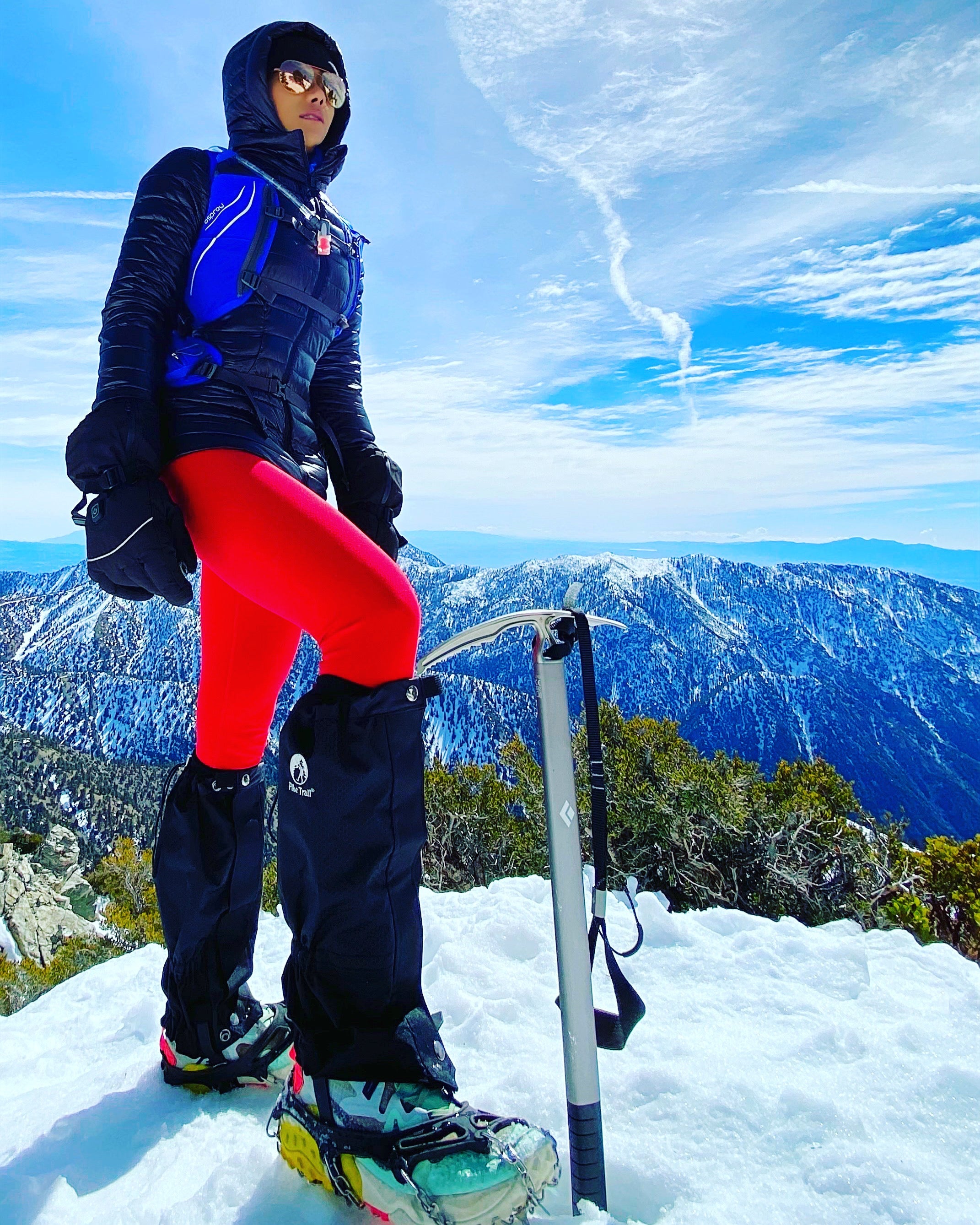
Traction: full crampons for icy/mixed routes; microspikes for packed ice; snowshoes for deep, unconsolidated snow.
-
Pike Trail Leg Gaiters: protect against snow entry and abrasion — https://piketrail.com/collections/hiking
-
Pike Trail Waterproof Socks: keep feet dry inside boots — https://piketrail.com/products/waterproof-breathable-socks
-
Pike Trail Waterproof Gloves: insulated, weatherproof hand protection — https://piketrail.com/products/waterproof-gloves
-
Pike Trail Carbon Fiber Trekking Poles: ultralight support and balance — https://piketrail.com/products/pike-trail-carbon-fiber-trekking-pole
-
Boots and clothing: waterproof insulated boots, moisture-wicking base layers, insulating mid-layers (down or synthetic), and a waterproof/breathable outer shell. Bring an extra insulated jacket for stops.
-
Navigation & safety: map, compass, GPS, headlamp with fresh batteries, first-aid kit, emergency bivy, fire-starting materials. Keep electronics close to your body to prevent battery drain.
-
Avalanche safety (where applicable): beacon, shovel, probe — plus training in avalanche assessment and rescue.
-
Hydration & nutrition: insulated water bottles or insulated sleeves for hydration bladders; high-calorie, easy-to-eat foods; thermos with a warm drink.
Short pre-trip checklist
-
Check route conditions, avalanche advisories, and weather forecasts.
-
Test-fit crampons with boots and gaiters; break in boots and socks.
-
Tell someone your plan and expected return; carry communication device.
-
Pack layers to manage sweat and prevent hypothermia.
Closing Winter hikes reward careful planning and the right equipment. Combining route-appropriate skills with Pike Trail essentials — leg gaiters, waterproof socks, waterproof gloves, and carbon fiber trekking poles — will keep you safer and more comfortable on the snow-covered trails.