Tick-borne illness has been climbing across the U.S. for years, and hikers are squarely in its path — trail edges, brushy switchbacks, and tall grass are exactly where ticks wait for a host to brush past. The good news is that most tick bites are preventable, and prevention is mostly a matter of habit rather than luck. Build a few routines into your before-hike, on-trail, and after-hike routine, and you cut your risk dramatically without changing how or where you hike.
Why hikers are especially exposed
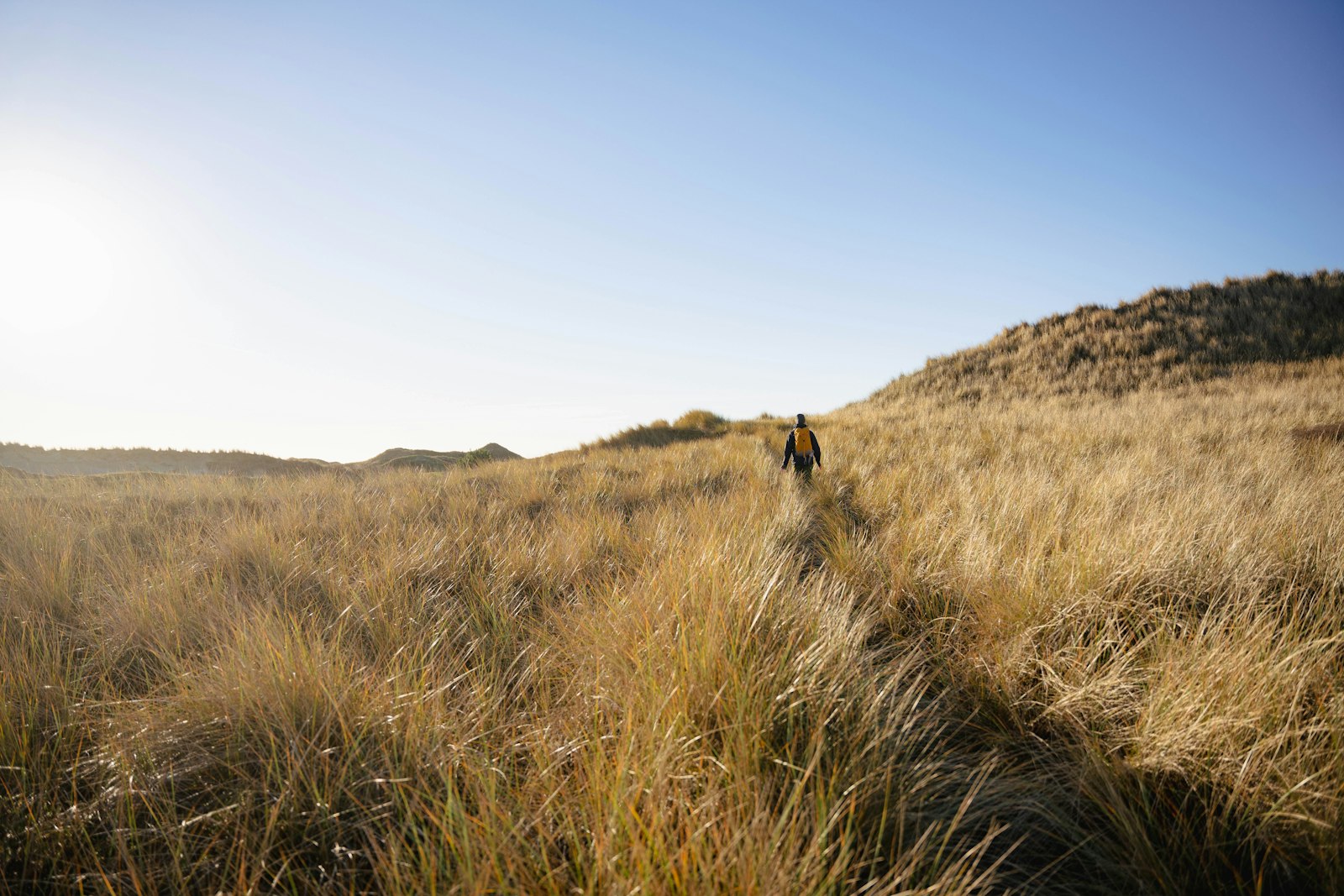
Ticks don't jump or fly onto you. They climb onto grass, leaf litter, and low brush, then wait with their front legs extended for something warm-blooded to brush past — a behavior researchers call "questing." Trails are full of exactly the vegetation ticks favor: the unmowed edges where trail meets brush, the blowdown you have to step around, and the leaf litter that piles up on either side of the path. Brushing against any of it is often all it takes for a tick to transfer onto a boot, sock, or pant leg, and from there it works its way upward looking for skin.
Before the hike: gear up right
Most of your protection should be in place before you ever reach the trailhead.
Treat your clothing with permethrin. Permethrin is an EPA-registered insecticide that kills ticks on contact and is applied to clothing and gear rather than skin. Factory-treated hiking clothing holds up through many washes; spray-on treatments wear off sooner and need to be reapplied more often, so check the product label either way. Treated clothing is one of the highest-leverage things you can do, because it keeps working even if a tick does land on you.
Use a skin repellent for exposed areas. An EPA-registered repellent on exposed skin — wrists, neck, hairline — covers the gaps that clothing can't.
Wear light-colored clothing. It won't stop a tick from climbing on, but it makes a dark, moving speck on light fabric far easier to spot before it ever reaches skin.
Close off entry points. Tuck pants into socks or wear gaiters that seal the gap between boot and pant leg. That single gap is responsible for more tick contact than almost any other part of a typical hiking outfit — more on that below.
On the trail: know where ticks wait
Stay toward the center of the trail and away from overhanging brush where you can. Ticks concentrate at knee height and below, clinging to grass tips and leaf edges along trail margins, so the few extra inches of clearance you get by not hugging the brush line meaningfully reduces contact. The same goes for breaks: if you stop to rest or eat, look for a spot away from tall grass rather than sitting directly in it. None of this means avoiding the trail edges entirely — it just means treating them with a bit more awareness.
The ankle gap: the #1 entry point
Of all the places a tick gets on a hiker, the gap between pant leg and boot is the most common. Ticks quest low and climb upward from ground level, so the ankle and lower leg are the first bare or thin-fabric areas they reach — long before a tick ever gets near your waist or collar. Gaiters that fully cover this gap, sealing pant leg to boot, close off that entry route almost entirely. It's a simple, low-effort piece of gear addressing the single most exploited weak point in a typical hiking outfit. If you don't already have a pair, our hiking gaiters collection has options built for exactly this kind of trail use.
After the hike: the habits that matter most
Prevention doesn't end when you reach the trailhead parking lot — what you do in the next couple of hours matters just as much as what you did before you left.
Check yourself soon after you're back. A full-body check, paying particular attention to the scalp, ears, underarms, waistband, and backs of the knees, catches most ticks before they've been attached long. Most tick-borne infections require an extended period of attachment — often a day or more — so finding and removing a tick promptly meaningfully lowers your risk of infection even if you did get bitten.
Shower within a couple of hours of coming indoors. A shower helps rinse off ticks that haven't yet attached and gives you a second chance to spot ones that have, particularly in places that are hard to see without a mirror.
Run your hiking clothes through a hot dryer. High heat for about ten minutes kills ticks that a regular wash cycle might not, especially on clothing that didn't fully dry in the wash.
Quick gear checklist
- Permethrin-treated clothing or gear
- EPA-registered skin repellent for exposed areas
- Light-colored clothing, so ticks are easier to spot
- Gaiters or tucked-in pants to close the ankle gap
- Fine-tipped tweezers, packed in your hiking kit
- A plan to check yourself and shower soon after you're back
None of this requires much extra time or money — it's mostly about building the habit until it's automatic. For the complete picture, including how to remove an attached tick correctly and trusted resources on tick-borne illnesses like Lyme disease and alpha-gal syndrome, see our Tick Prevention Guide.
This article is for general educational purposes and isn't a substitute for medical advice. If you've been bitten by a tick or are concerned about symptoms, talk to a healthcare provider.