If you find a tick attached to your skin, how you remove it matters. Done right, removal takes less than a minute and meaningfully lowers your risk. Done wrong — with heat, petroleum jelly, or a hard twist — you can leave mouthparts behind or even increase the chance of infection by agitating the tick before it's fully out. A lot of the folk remedies that get passed around on the trail come from a reasonable instinct — wanting the tick gone as fast as possible — but they tend to make things slower and messier, not faster. Here's the method public health guidance actually recommends, and the folk remedies to skip.
How to remove a tick safely
- Get a pair of fine-tipped tweezers. Blunt tweezers or fingers make it much harder to get a clean grip.
- Grasp the tick as close to the skin's surface as possible. You want the tweezers right at skin level, gripping the tick's mouthparts rather than its body.
- Pull upward with steady, even pressure. Don't twist or jerk — a straight, steady pull is far less likely to leave mouthparts embedded in the skin.
- Clean the bite area and your hands. Rubbing alcohol, an iodine scrub, or soap and water all work.
4 things never to do
- Don't use heat. A match or lighter held near the tick doesn't make it back out — it just risks burning you and can agitate the tick.
- Don't smother it in petroleum jelly or nail polish. Trying to suffocate the tick takes too long and doesn't reliably work; ticks can survive for hours without air.
- Don't twist or jerk it out. This is the most common cause of leftover mouthparts under the skin.
- Don't squeeze or crush the tick with bare fingers. Crushing it can push its contents back into the bite site. Use tweezers, not fingertips.
After removal
Once the tick is out, clean the area and your hands, and note the date. It's worth saving the tick — in a sealed bag or container, or simply photographed clearly — in case identification becomes useful later. Most tick-borne infections require an extended period of attachment, so prompt removal already puts you in a much better position regardless of what kind of tick it was.
Why identification can help
Different tick species carry different risks, and knowing which one bit you gives a healthcare provider more to work with if symptoms show up later. A blacklegged (deer) tick carries different risk than a lone star tick, for example, and your provider may ask about size, color, and how long it was attached. A clear photo — taken before or after removal — is usually enough for general identification; you don't need to mail the tick anywhere unless a provider specifically asks you to. Some local health departments and university extension offices offer tick identification or testing services if you want a more definitive answer.
What to watch for
Over the days and weeks following a bite, keep an eye out for a rash (including one that expands or changes shape), fever, fatigue, headache, or joint pain. None of these on their own confirm an infection, but any of them is a reason to follow up rather than wait it out.
When to see a doctor
Talk to a healthcare provider if you develop any of the symptoms above, if the tick was attached for an extended period before you found it, if you weren't able to remove it completely, or if you know you're in an area with high rates of tick-borne illness and want to be cautious. It's also reasonable to check in simply because you'd rather not wonder — there's no harm in a precautionary visit, and a provider can evaluate your specific situation, tick species, and regional risk far better than any general guide can. This article isn't a substitute for that conversation, and none of the above should be read as a diagnosis or a reason to wait if something feels wrong.
A note on removal tools
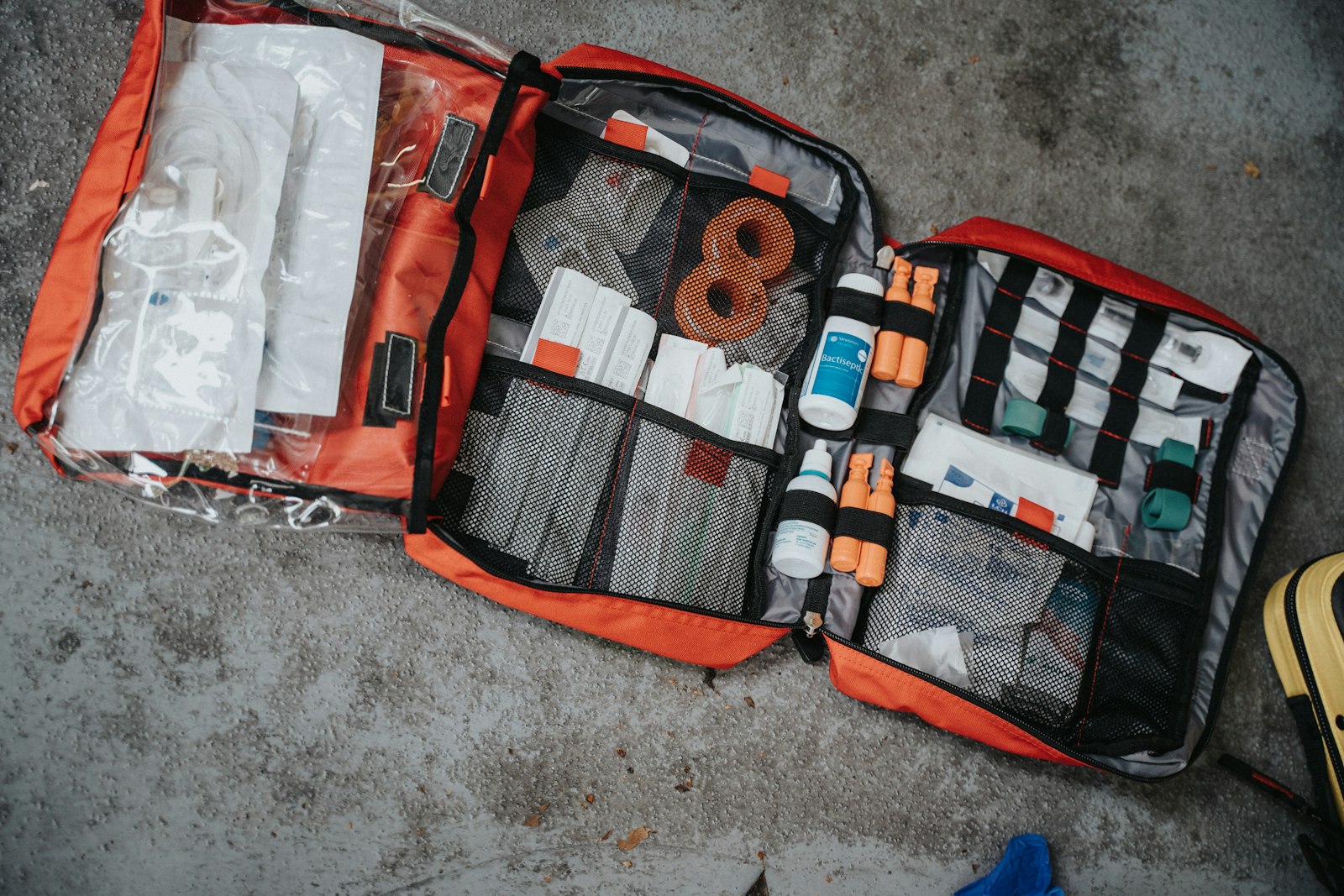
Fine-tipped tweezers work well and are usually already in a first-aid kit, but several trail-specific tools exist too — small notched cards or hooked tools designed to slide under a tick and lift it out with the same straight, steady motion described above. Any of these work fine as long as you can get a grip close to the skin and pull without twisting. What matters far less than the specific tool is having something fine-tipped on hand at all; fingers alone make clean removal much harder, especially on a tick that's already partially embedded.
Prevention is easier than removal
The best removal is the one you never have to do. A few habits — treated clothing, a repellent on exposed skin, and closing the ankle gap with gaiters — prevent most bites before they happen. See our Tick Prevention Guide for the complete routine.
This article is for general educational purposes and isn't a substitute for medical advice. If you've been bitten by a tick or are concerned about symptoms, talk to a healthcare provider.